

When Safe Assets Compete with Risk: Lessons from the 1960s–90s for Bitcoin and Stocks
Rising U.S. Treasury yields are intensifying the competition between safe assets and risky instruments in financial markets. This dynamic poses challenges for the pricing of assets like Bitcoin and stocks, offering crucial lessons from the 1960s-1990s period. Analysts note that capital is now shifting towards safer alternatives.
The financial markets are witnessing a renewed competition as the yields on U.S. Treasury securities, considered the risk-free rate, continue to climb. This surge in yields is creating a challenging environment for riskier assets such as Bitcoin and stocks, establishing a new dynamic for investors and potentially influencing capital flows across markets.
Jurrien Timmer, Director of Global Macro at Fidelity Investments, highlighted this dynamic in an X post, pointing out that rising Treasury yields from the 1960s through the mid-1990s made government bonds competitive with equities. Historically, sharp increases in these rates have often led to painful market adjustments. Currently, the 30-year Treasury yield is hovering at its highest level since 2007 and could climb further if upcoming U.S. Consumer Price Index (CPI) data surpasses estimates, thereby validating expectations for a "higher-for-longer" interest rate stance from the Federal Reserve (Fed).
As yields increase, every asset, including stocks and Bitcoin, will need to justify its price with stronger earnings or cash flows. For Bitcoin, the situation is more complex than for stocks because the cryptocurrency lacks both earnings and cash flow. Its value rests entirely on its appeal as a perceived digital gold and a hedge against fiat currency depreciation.
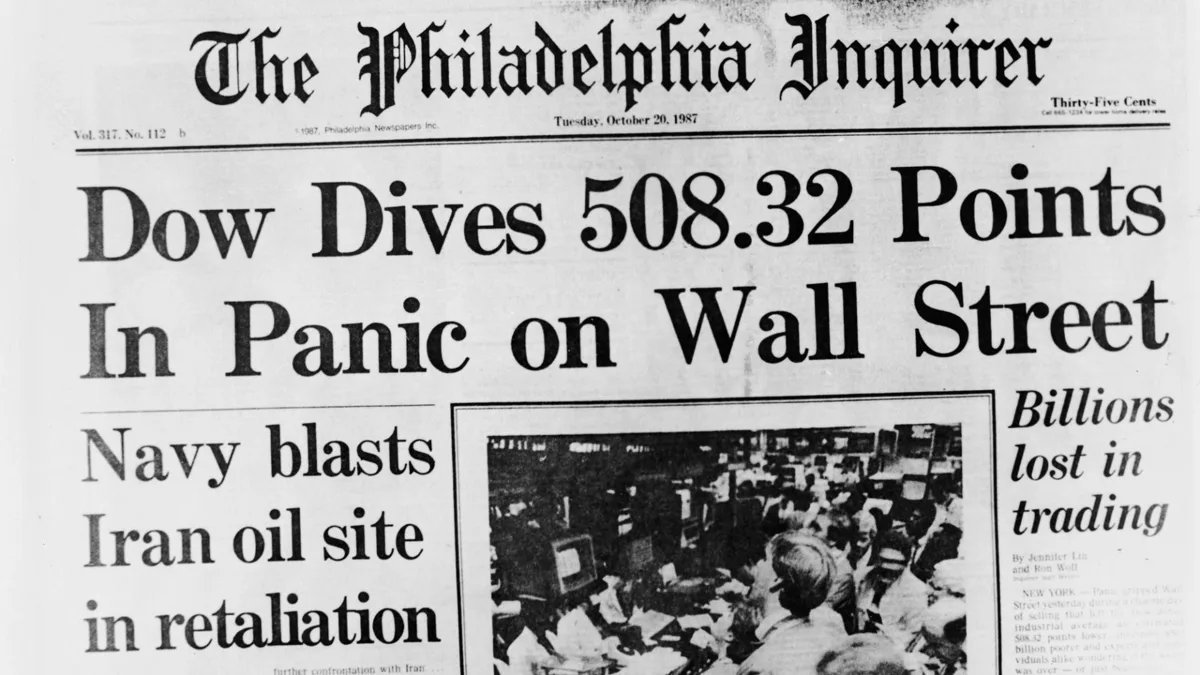
The rising risk-free rates demonstrate that capital, once abundant and chasing narrative and momentum, now has safer alternatives. This shift can reduce investor appetite for risk, causing capital to move towards less volatile, guaranteed-return assets. The 1987 Black Monday crash served as a harsh lesson for investors who overlooked the increasing opportunity cost of capital.
Against this backdrop, ambitious forecasts for Bitcoin prices to reach $500,000 or $1 million in the coming years appear somewhat stretched under current market conditions. While history may not necessarily repeat itself with a crash in both stocks and Bitcoin, the undeniable fact remains that capital now has more secure alternatives. Investors are advised to consider this new balance and review their portfolio strategies accordingly.
Related Symbols
💸 Ready to act on this news?
You need a brokerage account to invest. Compare 30+ trusted brokers in seconds — zero commission options available.
Comments (0)
No comments yet. Be the first to comment!