

Vance: U.S. very close to deal with Iran — 60-day ceasefire draft
U.S. Vice President JD Vance said talks with Iran are "very close" to a memorandum for a 60-day ceasefire and to reopen the Strait of Hormuz, officials said.
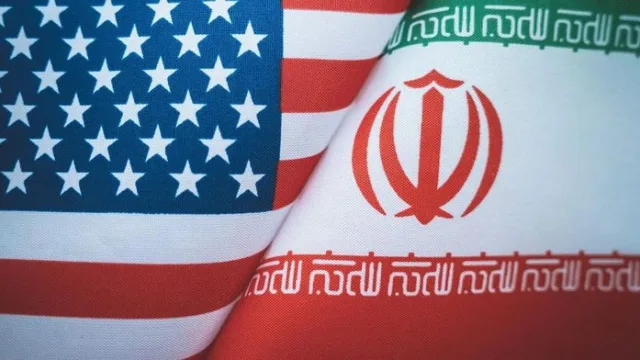
U.S. Vice President JD Vance told reporters in Washington that negotiations between the United States and Iran have advanced significantly and that the parties are "very close" to a deal. Vance said the emerging memorandum of understanding would extend a ceasefire by 60 days and include provisions to reopen the Strait of Hormuz to commercial shipping.
According to U.S. officials cited by news agencies, the draft covers a temporary halt in hostilities and a framework to restart talks on Iran's nuclear program, though technical differences remain on issues such as enriched uranium stockpiles and enrichment limits. Finalization of the text appears contingent on approval by the U.S. President, while Iranian state-linked outlets have not confirmed a completed agreement.
Markets reacted quickly to the reports: crude oil benchmarks slipped as traders priced in the prospect of restored flows through the Strait of Hormuz. Reported declines in Brent and WTI reflected trader expectations that an operational waterway would ease supply concerns, though price swings persisted amid uncertainty over the deal's completion. Energy markets therefore saw a short-term easing but remained sensitive to any reversal in diplomatic progress.
The potential agreement also intersects with parallel U.S. policy measures; while negotiating, the administration has continued to target military-related Iranian oil sales with sanctions. The combination of diplomatic outreach and targeted pressure illustrates a dual-track approach: seek de-escalation while maintaining leverage on nuclear and conventional military questions. Reopening the strait would have immediate logistical and insurance implications for global shipping and energy routes.
Analysts caution that even a signed memorandum would likely mark only the beginning of lengthier technical and verification negotiations. Financial institutions and commodity strategists note that while a ceasefire extension could reduce near-term upside risk for oil, the structural uncertainty surrounding inspections, enrichment limits, and presidential approval means volatility will probably remain elevated. Market participants are therefore watching for formal signatures and detailed implementation language before fully repricing risk.
💸 Ready to act on this news?
You need a brokerage account to invest. Compare 30+ trusted brokers in seconds — zero commission options available.
Comments (0)
No comments yet. Be the first to comment!