

US Stocks Waver on Mixed Earnings and Chipmaker Dynamics
US markets showed a mixed performance on Thursday, August 6, influenced by a blend of corporate earnings reports and varied dynamics within the semiconductor sector. The S&P 500 and Nasdaq ended the day with slight declines, while the Dow Jones also closed lower.
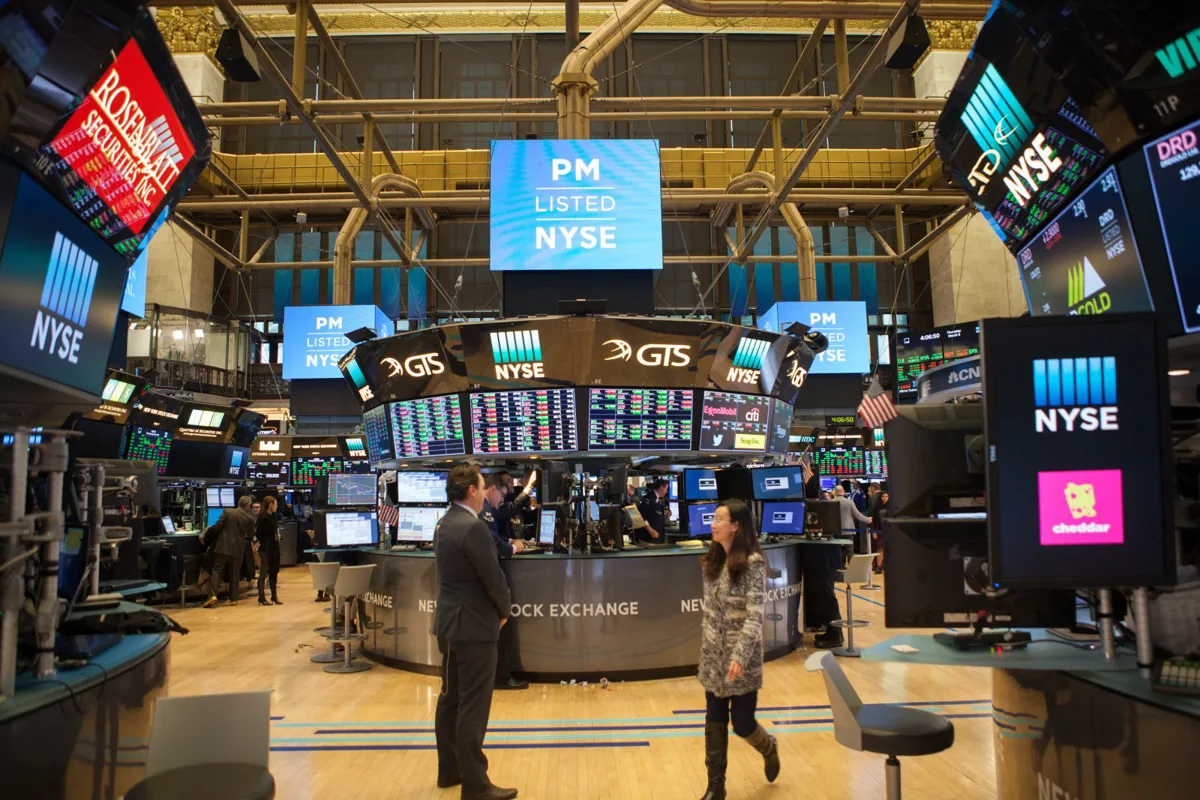
US stock markets exhibited a volatile performance on Thursday, August 6, driven by a complex landscape of mixed corporate earnings results and conflicting signals from the semiconductor sector. By the end of the trading day, the broad-based S&P 500 Index saw a slight decline, closing at 7,709.96 points, while the technology-heavy Nasdaq Composite Index also fell by 0.1% to 26,348.35. The Dow Jones Industrial Average, comprising industrial giants, dropped by 0.9% to 53,885.10 points. In the futures market, September E-mini S&P futures (ESU26) showed a modest gain, whereas September E-mini Nasdaq futures (NQU26) experienced a decline.
Corporate earnings presented a mixed picture, with both positive and negative surprises. Companies such as Warner Bros. Discovery (WBD), Motorola Solutions (MSI), Albemarle (ALB), and Parker-Hannifin (PH) reported better-than-expected results, leading to gains in their stock prices. Booking Holdings and Molson Coors also delivered encouraging financial reports, pleasing investors. Conversely, Honeywell Aerospace (HONA) slumped following weak forecasts, and digital advertising platform The Trade Desk (TTD) suffered a significant loss in value as its Q2 results and outlook fell well short of Wall Street's expectations. Financial technology firm Fiserv (FI) and software companies Datadog and AppLovin also recorded notable drops after failing to meet earnings estimates. Overall, with over 85% of S&P 500 companies surpassing expectations, the second-quarter earnings season is shaping up to be the strongest in terms of earnings growth since 2021.
The semiconductor sector displayed a nuanced performance. While positive expectations persist for some chipmakers like Micron Technology (MU) and Credo Technology (CRDO) due to ongoing artificial intelligence (AI)-driven demand, the overall sentiment in the sector was mixed. Advanced Micro Devices (AMD) reported strong second-quarter results, with data center revenue more than doubling and exceeding expectations. However, its shares declined as its third-quarter revenue guidance fell short of the loftiest high-end forecasts, and rival Nvidia (NVDA) secured an exclusive chip deal with SpaceX (SPCX). Memory chip manufacturers like Western Digital (WDC) and SanDisk (SNDK) also saw their stock values fall despite strong forecasts, indicating lingering concerns about the AI trade and potential profit-taking after substantial recent gains. Although the PHLX Semiconductor Sector Index (SOX) tumbled over 20% in July, marking its steepest monthly decline in over a decade, it later showed signs of recovery.
Broader economic and political factors also influenced the markets. Persistent tensions between the US and Iran, coupled with uncertainties over their impact on oil prices, led to a nearly 4% rise in Brent crude oil prices. In the bond market, Treasury yields moved higher. Inflation concerns and expectations that the Federal Reserve (Fed) might implement another interest rate hike before year-end also affected investor sentiment. The US economy experienced a sluggish 1.5% growth rate in the second quarter, while the expiry of SpaceX's post-IPO share lockup, making over 911 million shares eligible for sale, also drew market attention.
Analysts and market expectations suggest that AI-driven capital expenditures will continue to accelerate, with global semiconductor sales projected to exceed $1 trillion in 2026. However, concerns remain regarding stretched valuations in the chip sector and the potential for recent volatility to trigger profit-taking. While strong long-term demand for AI technologies is expected to continue supporting revenue and earnings growth for semiconductor companies, short-term market reactions and macroeconomic uncertainties could create volatility in stock performance. Notably, evidence that major technology companies are beginning to realize tangible returns from their AI investments is strengthening the bullish case for the sector.
Related Symbols
💸 Ready to act on this news?
You need a brokerage account to invest. Compare 30+ trusted brokers in seconds — zero commission options available.
Comments (0)
No comments yet. Be the first to comment!