

US Senate Approves Sanctioning Russia and Iran Act with Tariff Powers
The US Senate has overwhelmingly passed the Sanctioning Russia and Iran Act, named after the late Senator Lindsey Graham. This legislation grants the President authority to impose tariffs of up to 100% on major purchasers of Russian oil and natural gas, raising concerns about its implications for global trade and the economy.
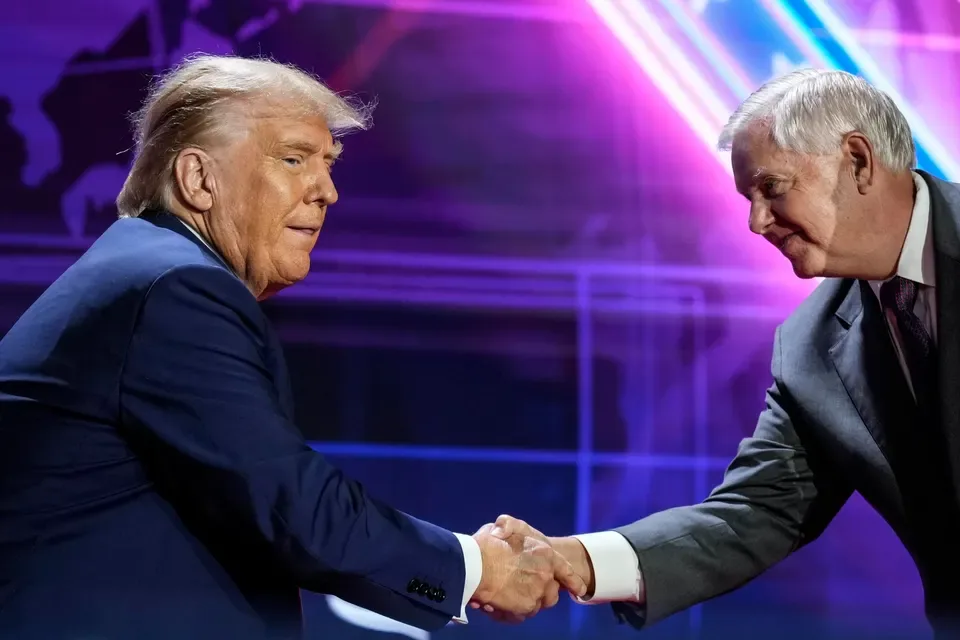
The United States Senate recently passed the Sanctioning Russia and Iran Act, a significant piece of legislation championed by the late Senator Lindsey Graham. This act empowers the President to impose tariffs of up to 100% on imports from major countries purchasing Russian oil and natural gas. Nations such as China and India, being among the largest buyers of Russian energy, are key targets of this new authority.
The bill, approved by an overwhelming 86-11 vote in the Senate, aims to shift the dynamics of the four-year war in Ukraine and diminish Russia's war-funding revenues. The legislation advanced swiftly following Senator Graham's sudden passing in July, shortly after he returned from Ukraine and announced a deal with the White House to move the bill forward after over a year of negotiations. While granting the power to levy tariffs on the top five purchasers of Russian oil or natural gas, the act includes exceptions for countries importing less than 15% of their natural gas from Russia and actively working to reduce those imports.
The potential economic ramifications of this expanded tariff authority on the U.S. economy and global trade have sparked considerable debate within financial circles. Critics express concern that such broad powers, especially when applied to major trading partners, could disrupt supply chains and lead to price increases, reminiscent of past tariff policies under the Trump administration. The support from Republicans and the Wall Street Journal for this legislation has prompted questions regarding the “wisdom of ceding more tariff authority to the White House.” It is argued that tariffs on large importers like China and India could ultimately harm American producers and consumers by disrupting global trade.
The legislation is seen as an integral part of broader U.S. efforts to escalate pressure on the Russian economy amid the ongoing Russia-Ukraine conflict. Throughout his career, Senator Graham, while generally a proponent of free trade, had previously advocated for using tariffs to penalize countries like China for what he viewed as unfair trade practices. This act reflects a strategy of employing tariffs as leverage to achieve national security objectives, aligning with Graham's interventionist foreign policy stance.
Analysts and market observers are closely monitoring the potential impact of this legislation on global energy markets and trade flows in the coming period. Supporters of the bill contend that the tariffs will weaken Russia's capacity to finance the war in Ukraine by reducing its energy revenues. However, dissenting voices caution that this authority could heighten uncertainty in global trade and contribute to inflationary pressures for American consumers. How the White House will utilize these expanded powers and the resulting international repercussions will remain a significant topic on the agenda moving forward.
💸 Ready to act on this news?
You need a brokerage account to invest. Compare 30+ trusted brokers in seconds — zero commission options available.
Comments (0)
No comments yet. Be the first to comment!