

US Seeks to Close Loophole Allowing China to Access Nvidia Chips
The U.S. is taking new steps to prevent Chinese firms from circumventing bans on advanced Nvidia AI chips by accessing them through overseas data centers and cloud services. This situation has exposed a significant loophole in current export controls. New regulations and legislative efforts aim to close this gap.
The United States has moved to close a significant loophole in its export controls on advanced artificial intelligence (AI) chips, which were implemented to restrict China's AI capabilities. Despite a direct ban on Chinese AI companies from acquiring Nvidia's most advanced chips, these firms have reportedly circumvented restrictions by renting computing power from data centers in Southeast Asia or through cloud services. This development has prompted the U.S. Commerce Department and Congress to tighten existing regulations.
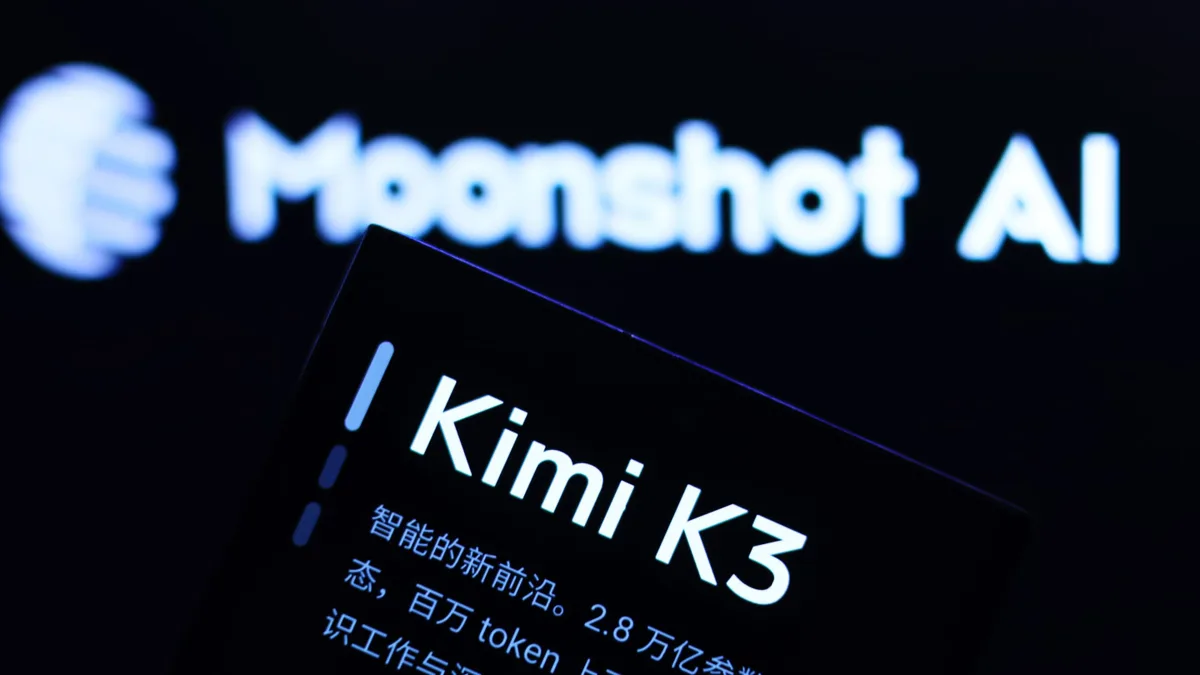
In October 2022, the Biden administration imposed extensive export controls targeting China's ability to access and develop advanced computing and semiconductor manufacturing items. These restrictions specifically covered high-performance chips like Nvidia's A100 and H100. However, Chinese AI companies exploited a loophole in existing U.S. rules, which primarily governed physical chip ownership and shipment. The loophole gained prominence in July 2026 when Moonshot AI released its Kimi K3 model, leading a White House official to accuse the company of utilizing Nvidia's GB300 chips via a facility in Thailand. Major Chinese tech firms like ByteDance, Alibaba, and Tencent have also reportedly accessed Nvidia compute power through facilities in Malaysia, Thailand, and Japan.
Reports even indicated that U.S. cloud service providers such as Amazon Web Services (AWS), Microsoft Azure, and Google Cloud were allowing Chinese customers to access these restricted chips through their non-China-based servers. This was technically not a violation, as existing laws focused on the direct export or transfer of physical commodities. In response to these developments, the U.S. Commerce Department issued new guidance in June 2026, tying export-license rules to where a company is headquartered. This new directive aims to bring overseas subsidiaries of Chinese AI firms under the purview of the restrictions.
These developments have led to lost sales and damaged customer relationships for U.S. chipmakers like Nvidia (NVDA) and AMD (AMD) in the Chinese market, potentially hindering long-term innovation. Conversely, Chinese semiconductor companies such as Hua Hong Grace and SMIC have reported significant profit surges due to increased domestic demand for AI chips free from U.S. restrictions, thereby aiding China's self-sufficiency goals. U.S. chipmakers are concerned that market uncertainty in China will negatively impact their ability to innovate and understand evolving market needs.
This situation is part of the broader U.S.-China technology rivalry, driven by U.S. national security concerns over China's potential use of advanced AI for military and surveillance purposes. Washington aims to cut off China's access to the future of advanced AI and high-performance computing. In response, China is accelerating its strategy to indigenize its AI ecosystem and produce its own advanced chips through domestic firms like Huawei.
Analysts and market observers note that legislative efforts, such as the Remote Access Security Act (RASA) currently under consideration in the U.S. Congress, aim to fully close these loopholes by extending export controls to cover cloud-based remote access. However, challenges remain regarding the effectiveness and enforceability of such regulations. Authorities will need to define which computing resources are covered, who should be prohibited from remote access, and how to implement robust 'know-your-customer' schemes. The tension between national security objectives and the global competitiveness of U.S. technology companies is expected to persist.
Related Symbols
💸 Ready to act on this news?
You need a brokerage account to invest. Compare 30+ trusted brokers in seconds — zero commission options available.
Comments (0)
No comments yet. Be the first to comment!