

US sanctions target Iran military oil sales, vessels and firms
The U.S. Treasury announced new sanctions targeting Iran's military oil sales, sanctioning several tankers and firms to block revenue used to rebuild its armed forces.
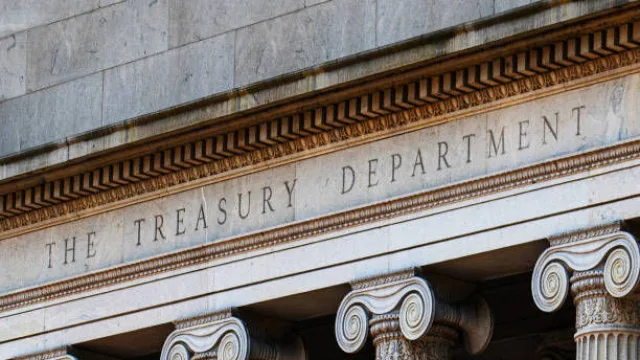
The U.S. Department of the Treasury’s Office of Foreign Assets Control (OFAC) announced a new package of sanctions aimed at curbing oil sales conducted by or for Iran’s armed forces. The Treasury said the measures are intended to deprive Iran’s military of revenues used to reconstitute its forces and to fund destabilizing activities across the region.
According to the Treasury, the action designates eight vessels and more than 15 entities, including firms based in Hong Kong, Dubai and the United Arab Emirates that have facilitated shipments and financial flows connected to Sepehr Energy Jahan, the oil sales arm linked to Iran’s Armed Forces General Staff. Reuters reporting notes that sanctioned tankers include vessels flagged in the Marshall Islands, Panama and the Comoros, and that the package further targets elements of Iran’s so-called shadow fleet.
Markets reacted to the announcements with renewed attention to Middle East supply risks: oil benchmarks experienced volatility as traders reassessed risk premia tied to Strait of Hormuz shipping and shadow fleet activity. While the measures do not directly shut-in Iranian production, the targeted disruption of transportation and financial intermediaries can constrict revenues over time and support higher risk premia for crude. Reuters coverage highlights the immediate market sensitivity to such geopolitical measures.
The sanctions form part of a broader U.S. campaign described by Treasury as “Economic Fury,” coordinated with other instruments including state department designations and FinCEN advisories. Treasury emphasized the use of counterterrorism and sanctions authorities to freeze assets and block access to the international financial system for entities that materially support Iran’s military oil trade. The U.S. also signaled possible secondary measures against foreign institutions that continue to facilitate those transactions.
Analysts say the effectiveness of the sanctions will hinge on the ability to disrupt the web of front companies, exchange houses and tanker operators that enable illicit sales. In the near term, elevated volatility in energy markets is likely to persist; over the medium term, sustained pressure on shipping and financial intermediaries could reduce the revenue available to Iran’s armed forces, tightening strategic options but not eliminating them. Market participants will watch enforcement actions and shipping flows for signs of meaningful revenue attrition.

💸 Ready to act on this news?
You need a brokerage account to invest. Compare 30+ trusted brokers in seconds — zero commission options available.
Comments (0)
No comments yet. Be the first to comment!