

US Merchant Marine Revitalization Push: New Ships and Security-Focused Policies
The U.S. is planning to build new cargo ships to reverse the decline of its merchant fleet and bolster national security. The aim is to deploy more robust and secure vessels to counter the rising maritime threats observed recently.
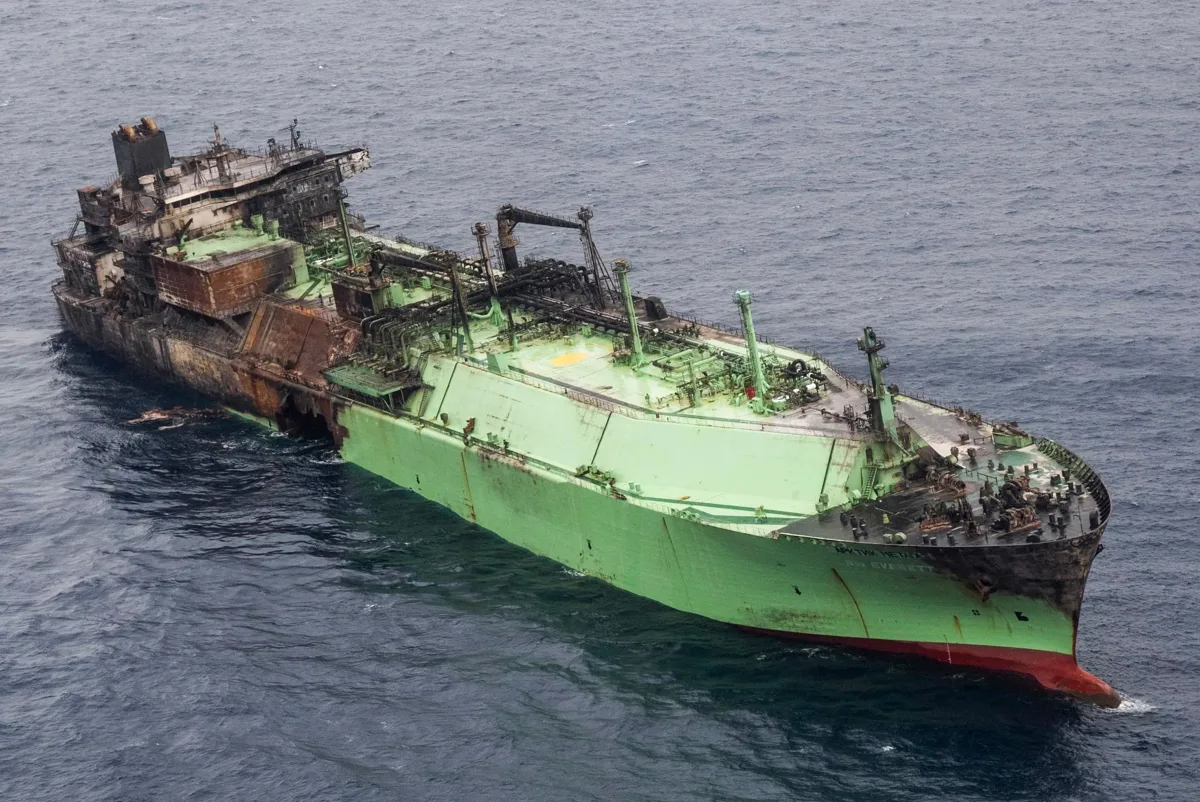
The United States is poised to take significant steps to revitalize its merchant marine and shipbuilding industry, which are critical for national security and economic resilience. With increasing risks on global sea lanes and merchant vessels becoming targets, the U.S. aims to put more resilient and secure cargo ships into service. This strategic move is part of an effort to reverse decades of decline and strengthen the country's maritime capabilities.
The U.S. Merchant Marine has experienced a severe decline since World War II, with its fleet weakened in both size and age. In January 2025, the U.S. Maritime Administration (MARAD) identified only 188 active ships over 1,000 gross tons, indicating that the U.S. commercial fleet constituted only 0.55 percent of the world's fleet. In terms of shipbuilding capacity, the U.S. lags behind countries like China (54.57 percent), South Korea (28.02 percent), and Japan (12.56 percent), placing it in a very weak position globally. This situation creates a strategic vulnerability for the nation, both economically and militarily, and raises concerns, particularly in the face of China's growing dominance in maritime affairs.
In response to these concerns, the U.S. government is undertaking various initiatives to rebuild its maritime industry. In April 2025, then-President Donald Trump signed an Executive Order titled “Restoring America’s Maritime Dominance,” signaling a new maritime strategy. Following this, a comprehensive national policy package, known as “America’s Maritime Action Plan” (AMAP), was developed, structured around four main pillars. This plan aims to increase U.S. shipbuilding capacity, grow the U.S.-flagged fleet, and develop the maritime workforce. Additionally, legislative proposals such as the “SHIPS for America Act,” supported by Senators Scott Kelly and Todd Young, are on the Congressional agenda. This act proposes to increase the number of U.S.-flagged commercial vessels to 250 within 10 years and invest in U.S. shipyards.
The potential impact of these developments on markets and related sectors is significant. New business volumes are anticipated, particularly for U.S. shipbuilding companies and maritime logistics firms. Among the plans is the establishment of a “Maritime Security Trust Fund,” to be financed by a fee system applied to foreign-built vessels entering U.S. ports. This fund is projected to generate billions of dollars in revenue over ten years, contributing to the long-term revitalization of American maritime capabilities. Such incentives could direct private sector investments towards U.S.-built and U.S.-flagged commercial vessels, while also having indirect effects on global shipping costs.
These efforts gain further significance when viewed within a broader geopolitical and economic context. The fragility of global supply chains has become evident in recent years due to the pandemic and geopolitical tensions. China's increasing dominance in global maritime logistics through its “Belt and Road” initiative and its expanding naval power is perceived as a strategic threat to the U.S.. Strengthening the U.S.'s own merchant fleet is vital for both enhancing its commercial independence and meeting military logistical needs in potential crises.
Analysts and market observers suggest that these new policies could initiate a long-term transformation in the U.S. maritime sector. The expansion of existing programs like the Maritime Security Program (MSP) and the acceleration of new shipbuilding projects could redefine the U.S.'s role in global maritime affairs. However, challenges such as the high cost of domestic shipbuilding and a shortage of skilled mariners persist. In the coming period, the effectiveness of these legislative and financial incentives and the extent to which the U.S. will re-establish its maritime power will be closely monitored. These steps will directly impact the U.S.'s position in international trade and its military operational capabilities.
💸 Ready to act on this news?
You need a brokerage account to invest. Compare 30+ trusted brokers in seconds — zero commission options available.
Comments (0)
No comments yet. Be the first to comment!