

US Matcha Market Transforms: Shifting from Latte Trend to Traditional Tea Experience
Matcha consumption in the United States is moving beyond the traditional latte format, driving demand for premium Japanese tea. Rising consumer education has led to record Japanese tea exports, creating new growth opportunities for the industry.
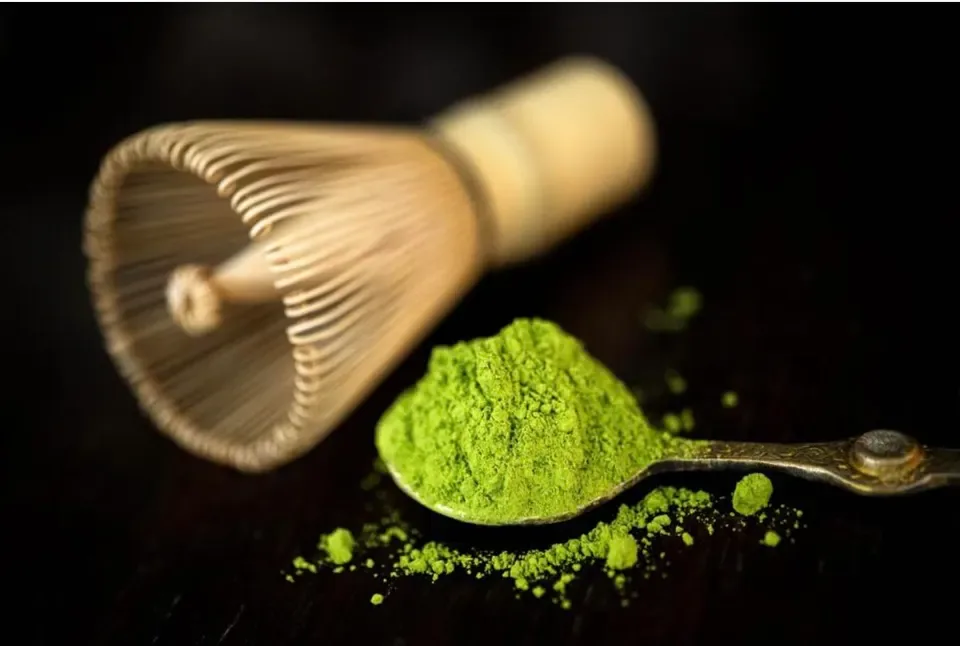
The United States is witnessing a significant transformation in matcha consumption, moving beyond traditional lattes and mixed beverages towards an appreciation for the pure taste of Japanese tea. This shift, driven by consumers' preference for premium products and increased awareness of matcha's health benefits, has propelled Japanese tea exports to record levels, initiating a substantial growth wave in the industry. This evolution is creating new opportunities for market players while also influencing the strategies of tea producers in Japan.
Concrete indicators of this surge are clearly visible in Japan's export data. In 2025, the export value of Japanese tea reached a record 72.1 billion Japanese yen (approximately $452 million USD), marking a 98% increase from the previous year. The U.S. market accounted for 35% of these exports, with matcha comprising 85% of Japanese tea exports to the U.S. The at-home matcha market grew from approximately $130 million in 2023 to an estimated $200 million in 2025, with projections to double by 2030. The global matcha industry is forecast to reach $7.43 billion by 2030, with North America emerging as the fastest-growing region.
Consumers' willingness to pay $5 to $8.50 for a matcha drink highlights the demand for the market's premium segment. In response to this demand, specialty businesses are deepening interest in matcha culture and differentiating their products through tasting events and educational programs. For instance, Matchaful's Ritual Bar in New York introduces customers to Japanese tea culture through guided tastings and whisking sessions. Matcha's vibrant green color and aesthetic appeal on social media continue to boost its popularity, especially among younger generations, while its positioning as a wellness-oriented lifestyle beverage further supports growth.
Overseas demand for matcha is triggering a significant shift in production practices among tea growers in Japan. A substantial number of traditional tea farmers are converting to matcha production to meet the increasing demand. While this benefits matcha consumers, it could potentially impact traditional loose-leaf tea production. The global matcha market is expected to reach $4.61 billion in 2026, with the North American market projected to double from $1.02 billion in 2024 to $2.3 billion by 2035. Matcha menu items in the food and beverage industry are showing over 30% year-over-year growth, often yielding higher gross profit margins (76-83%) than most coffee-based beverages.
Within this broader economic context, consumers' growing inclination towards functional beverages, clean-label foods, and naturally sourced ingredients is a key factor fueling the matcha market's expansion. Matcha offers a more balanced energy and focus, thanks to its L-theanine content, appealing to consumers seeking an alternative to the sharp peaks and crashes associated with coffee. The increasing interest in Japanese tea culture and healthy lifestyles further solidifies matcha's popularity. Similar to sushi, which was initially embraced in the U.S. market through adapted versions (like California rolls) before traditional forms gained traction, matcha is following a similar trajectory.
Market analysts paint a largely optimistic picture for the future of the global matcha market. With increasing consumer education, expectations are high that interest in matcha will extend beyond the latte format to embrace higher-quality, traditional tea experiences, thereby creating new market segments. Industry players also believe that a deeper understanding of matcha culture will develop. However, challenges such as the influx of counterfeit and low-quality products and import regulations persist. Nevertheless, the expanding application areas of matcha across the food and personal care industries are expected to continue offering significant opportunities for the market in the coming period.
💸 Ready to act on this news?
You need a brokerage account to invest. Compare 30+ trusted brokers in seconds — zero commission options available.
Comments (0)
No comments yet. Be the first to comment!