

US-Iran near deal on 60-day ceasefire, Strait of Hormuz reopening
US media report Washington and Tehran close to a 60-day ceasefire extension that would reopen the Strait of Hormuz and allow Iran to resume oil sales.
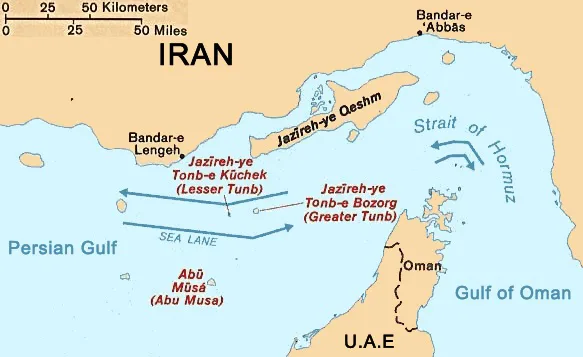
US media report that Washington and Tehran are close to agreeing a 60-day extension of a fragile ceasefire that would include reopening the Strait of Hormuz, allowing Iran to resume oil exports and opening talks on limiting Iran’s nuclear activities. The report—first published as an Axios exclusive—cites a US official familiar with the draft memorandum of understanding.
According to the draft, both parties would sign a memorandum of understanding lasting 60 days and potentially extendable by mutual consent. Key elements reportedly include clearing mines and other obstacles to permit safe commercial transit through the strait, phased easing of measures that restrict Iranian oil sales, and a framework to begin negotiations on the nuclear file—though Iranian officials have said nuclear issues are not part of current talks, according to AP.
Market implications hinge primarily on whether the strait is reliably reopened and Iranian barrels return to global markets. Previous interruptions to Hormuz transit pushed Brent and WTI sharply higher; conversely, renewed talks and signs of reopening have reduced the risk premium and prompted price declines in oil benchmarks, according to market reports referencing Reuters coverage. Traders will watch shipping passages and tanker flows closely for confirmation.
In a broader strategic context, a temporary 60-day truce and phased reopening could ease immediate supply disruptions but would not resolve underlying regional and nuclear disputes. Any phased sanctions relief or easing of a naval blockade would have implications for insurance, shipping costs and regional diplomacy, meaning markets could remain sensitive to political noise until a durable settlement or a formal nuclear agreement is reached.
Analysts caution that the reported deal remains fragile and subject to last-minute shifts; even if a 60-day framework is agreed, extensions or reversals are possible. Near-term market direction will depend on operational confirmation—clearing of mines, actual tanker movements through the Strait of Hormuz and concrete steps on sanctions relief. A sustained decline in the energy risk premium would require visible, verifiable changes in trade flows and regulatory measures.

Related Symbols
💸 Ready to act on this news?
You need a brokerage account to invest. Compare 30+ trusted brokers in seconds — zero commission options available.
Comments (0)
No comments yet. Be the first to comment!