

US Consumer Optimism Falls After 3 Months, Republican Sentiment Hits 2-Year Low
The University of Michigan's consumer sentiment index unexpectedly declined to 51.0 in August, ending two months of gains. The drop was particularly notable among older, lower-income consumers and Republican voters.
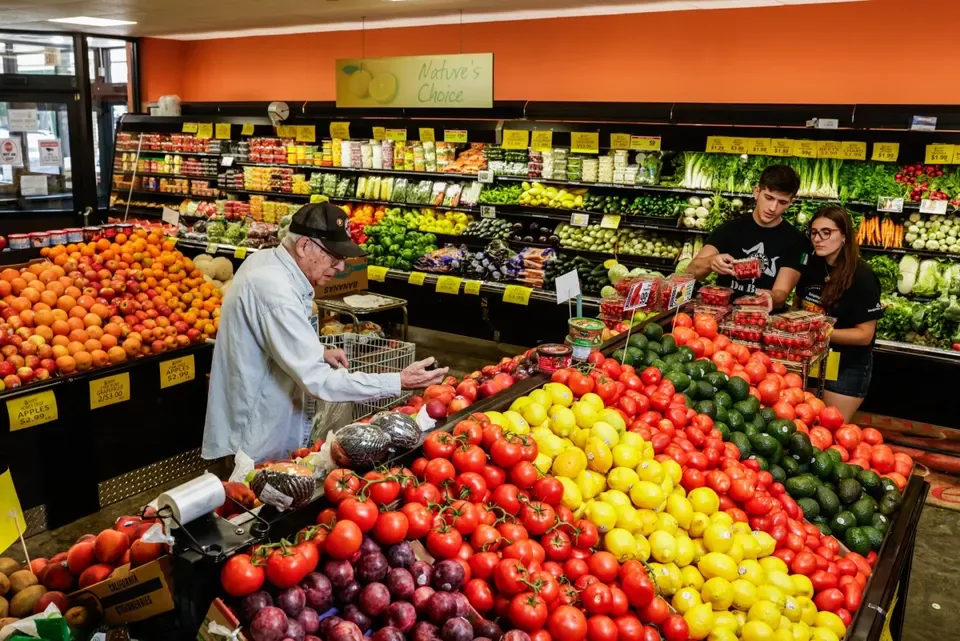
US consumer confidence unexpectedly declined in August after two consecutive months of improvement, signaling a renewed fragility in the economic outlook. The University of Michigan's preliminary consumer sentiment index fell to 51.0 in August from 55.2 in July, missing economists' consensus estimates of 54.5. This downturn was particularly pronounced among older consumers, lower-income households, and those without a college degree, highlighting their vulnerability to the erosive effects of inflation on purchasing power.
A key driver behind the decline appears to be rising oil prices and persistent inflation concerns following the ongoing Iran conflict in the Middle East. Year-ahead inflation expectations ticked up to 4.3% in August from 4.2% in July, significantly exceeding the 3.4% level observed before the Iran conflict began. Among political affiliations surveyed, Republicans showed the sharpest month-over-month decline in sentiment, with their optimism now 19% below pre-Iran conflict levels and at its lowest point since the 2024 election.
This retreat in consumer confidence points to potential adverse impacts on overall market and economic activity. Given that consumer spending is a major engine of the US economy, the dip in sentiment was also reflected in retail sales data. Retail sales unexpectedly fell by 0.6% in July, indicating that consumers are becoming more cautious with their spending. Such cautiousness could influence the Federal Reserve's interest rate policy, providing new data for the central bank's upcoming decisions.
The broader economic context for this fall in optimism is further complicated by ongoing geopolitical tensions and volatility in energy markets. Tensions in the Strait of Hormuz continue to restrict global oil flows, thereby pushing up energy costs and exacerbating inflationary pressures. Only 8% of consumers anticipate their income growth to outpace inflation in the year ahead, a significant drop from 18% in December 2024, reflecting a belief that high prices will remain a burden.
Analysts and market observers caution that this decline in consumer sentiment could lead to a slowdown in short-term economic growth. The increase in inflation expectations and consumers' concerns about purchasing power may continue to exert pressure, particularly on lower-income segments. Moving forward, the Federal Reserve's monetary policy decisions, the trajectory of energy prices, and geopolitical developments will be critical factors in determining any potential rebound in consumer confidence.
💸 Ready to act on this news?
You need a brokerage account to invest. Compare 30+ trusted brokers in seconds — zero commission options available.
Comments (0)
No comments yet. Be the first to comment!