

US Bond Yields Climb on Hawkish Warsh Rhetoric, Payrolls Awaited
US Treasury yields edged higher following hawkish rhetoric from Federal Reserve Chair Kevin Warsh, which reinforced a cautious market tone. Investors are now keenly awaiting the crucial non-farm payrolls report for fresh insights into the labor market's strength.
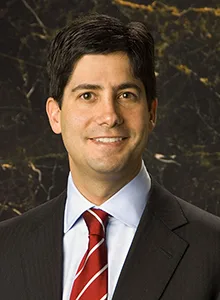
US Treasury bond yields continued their upward trend after hawkish statements on monetary policy from Federal Reserve (Fed) Chair Kevin Warsh. This development, which solidified the cautious stance observed in markets last week, has shifted investor attention towards the eagerly anticipated monthly non-farm payrolls report. Warsh's inflation-first approach has strengthened expectations that interest rate cuts may be delayed longer than previously anticipated.
Over the weekend, Kevin Warsh emphasized that the central bank should not rush to cut interest rates until inflation shows a more sustained decline. A former Fed governor, Warsh highlighted the need to avoid repeating the policy mistakes of the 1970s, when premature easing allowed price pressures to re-emerge. These remarks were widely interpreted as a signal that a potential future Fed under his leadership would prioritize inflation fighting over supporting growth, a stance that typically pushes bond yields higher. Since Warsh's appointment as Fed Chair, money markets have begun to price in a tighter policy path.
Markets have adopted a more hawkish tone since Warsh's first press conference. Notably, the 5-year Treasury Inflation-Protected Securities (TIPS) yield climbed to 2.0%-2.03%, marking its first sustained move above that threshold in over a year and roughly 90 basis points higher than levels seen in late February. The 10-year real yield also rose above 2%, with 30-year TIPS yields hovering around 2.6%-2.7%. This indicates that markets are revising their expectations for the Fed's medium-term policy rate upwards. Furthermore, 2-year Treasury yields recently reached a 16-month high, climbing to 4.207%.
These developments gain further significance when viewed within the broader global economic and political context. The rise in headline inflation, particularly due to increasing energy prices following the conflict with Iran, has been a key factor in the climb of real yields. Warsh's assertion that “financial markets perform best when they react to incoming data” has led markets to reprice both the baseline and tail risks for future policy. Additionally, Warsh's ambitious plans to restructure the Fed's balance sheet, aiming to divest mortgage-backed securities and hold only Treasuries, have also influenced longer-term bond markets.
The bond market's next major test will be the release of the non-farm payrolls report on Friday. Economists surveyed by Bloomberg anticipate the US economy to have added approximately 180,000 jobs in the latest month, with the unemployment rate holding steady at 3.8%. A stronger-than-expected reading could reinforce the hawkish narrative, putting further pressure on bond prices and pushing yields higher. Conversely, a weaker print might revive bets on rate cuts later this year, potentially capping the recent yield advance. The market is currently pricing in an approximately 60% probability that the Fed will hold rates steady at its next meeting, with the first full rate cut not fully priced in until the third quarter of 2026.
💸 Ready to act on this news?
You need a brokerage account to invest. Compare 30+ trusted brokers in seconds — zero commission options available.
Comments (0)
No comments yet. Be the first to comment!