

US Anti-Money Laundering Policy Devastates Small Businesses on Border
The US Treasury Department's move to lower the money transfer reporting threshold from $10,000 to $200 in border areas, aimed at curbing cartel activities, has severely impacted small businesses. This regulation has led to significant compliance costs and an increased paperwork burden, challenging many local enterprises.
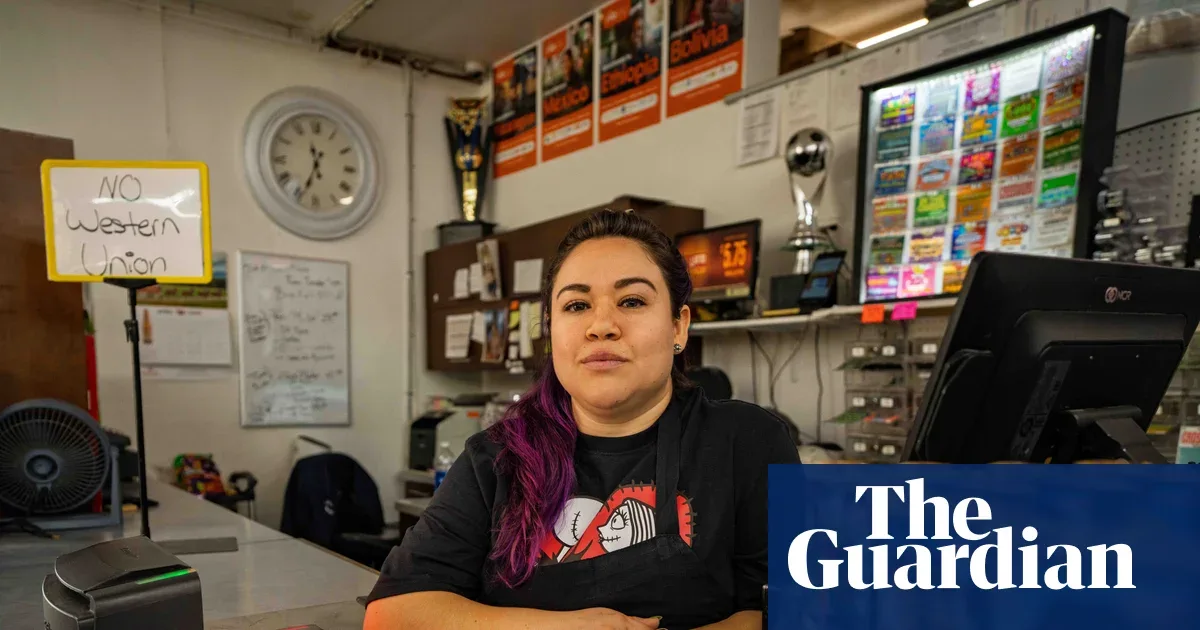
The U.S. Department of the Treasury's Financial Crimes Enforcement Network (FinCEN) implemented a significant policy change in March 2025, targeting money laundering activities near the U.S.-Mexico border. This Geographic Targeting Order (GTO) drastically reduced the cash transaction reporting threshold for Money Services Businesses (MSBs) in specific border ZIP codes from $10,000 to $200, with the stated aim of disrupting cartels' illicit financial operations. However, over time, the policy has reportedly inflicted a severe toll on small, family-owned businesses and the immigrant communities they serve.
The aggressive regulation, initially rolled out by the Trump administration, became effective on April 14, 2025, covering 30 ZIP codes across Texas and California. FinCEN presented this measure as a vital tool in combating drug trafficking and other criminal activities. The policy mandated MSBs to collect and report sensitive customer identification information, including Social Security numbers, addresses, and identification documents, for all cash transactions exceeding $200. This dramatic reduction from the previous $10,000 threshold had a profound impact, particularly on communities that lack bank accounts or have limited access to traditional banking services.
This regulation created significant operational hurdles for 'mom-and-pop' businesses, such as small grocery stores and money transfer outlets, operating in border regions. Business owners and legal experts argue that instead of delivering a decisive blow to cartels, the policy primarily devastated legitimate small businesses and the immigrant communities dependent on them. The increased paperwork, heightened compliance costs, and the need to collect detailed information for even small transactions overwhelmed these businesses, often operating with minimal staff. Customer concerns over privacy also led to a significant decline in the use of these essential financial services, resulting in substantial revenue losses for the businesses.
The policy's impact on the market has been particularly pronounced in border economies. MSBs play a critical role in meeting the basic financial needs of many low-income and immigrant families in the region, facilitating bill payments, rent remittances, and money transfers to relatives. Businesses like Nachita's, a grocery store in El Paso, Texas, exemplify this, benefiting from customers who would conduct money transfers and simultaneously purchase groceries. The new rules directly affected the revenue streams of such businesses, contributing to an economic slowdown in local areas.
This regulation was part of a broader effort by the Trump administration to combat cartels and enhance border security. The administration also took steps such as designating cartels as Foreign Terrorist Organizations (FTOs) and imposing sanctions on Mexican financial institutions. However, concerns have been raised that the limited geographic scope of GTOs might simply displace money laundering activities to non-targeted areas. FinCEN's subsequent operation in December 2025, targeting over 100 MSBs for compliance failures, underscores the ongoing scrutiny in the region.
Businesses and civil liberties organizations, notably the Institute for Justice, launched legal challenges against the GTO, arguing it was arbitrary, unconstitutional, and infringed upon the financial privacy of ordinary individuals. In September 2025, FinCEN raised the reporting threshold from $200 to $1,000, and by March 2026, the GTO's scope was expanded to include additional counties in New Mexico and Arizona. Despite this adjustment, business owners contend that even the $1,000 threshold continues to impose an excessive paperwork burden and cause business losses. The effectiveness of such regulations and their impact on small businesses are expected to remain key discussion points in both legal proceedings and public discourse moving forward.
💸 Ready to act on this news?
You need a brokerage account to invest. Compare 30+ trusted brokers in seconds — zero commission options available.
Comments (0)
No comments yet. Be the first to comment!