

US AI Restrictions on China Fall Short of Expectations
US export controls aimed at curbing China's artificial intelligence development are proving less effective than anticipated, contrary to the views of some industry leaders like Dario Amodei. These restrictions have inadvertently accelerated China's pursuit of technological self-sufficiency and fostered domestic innovation.
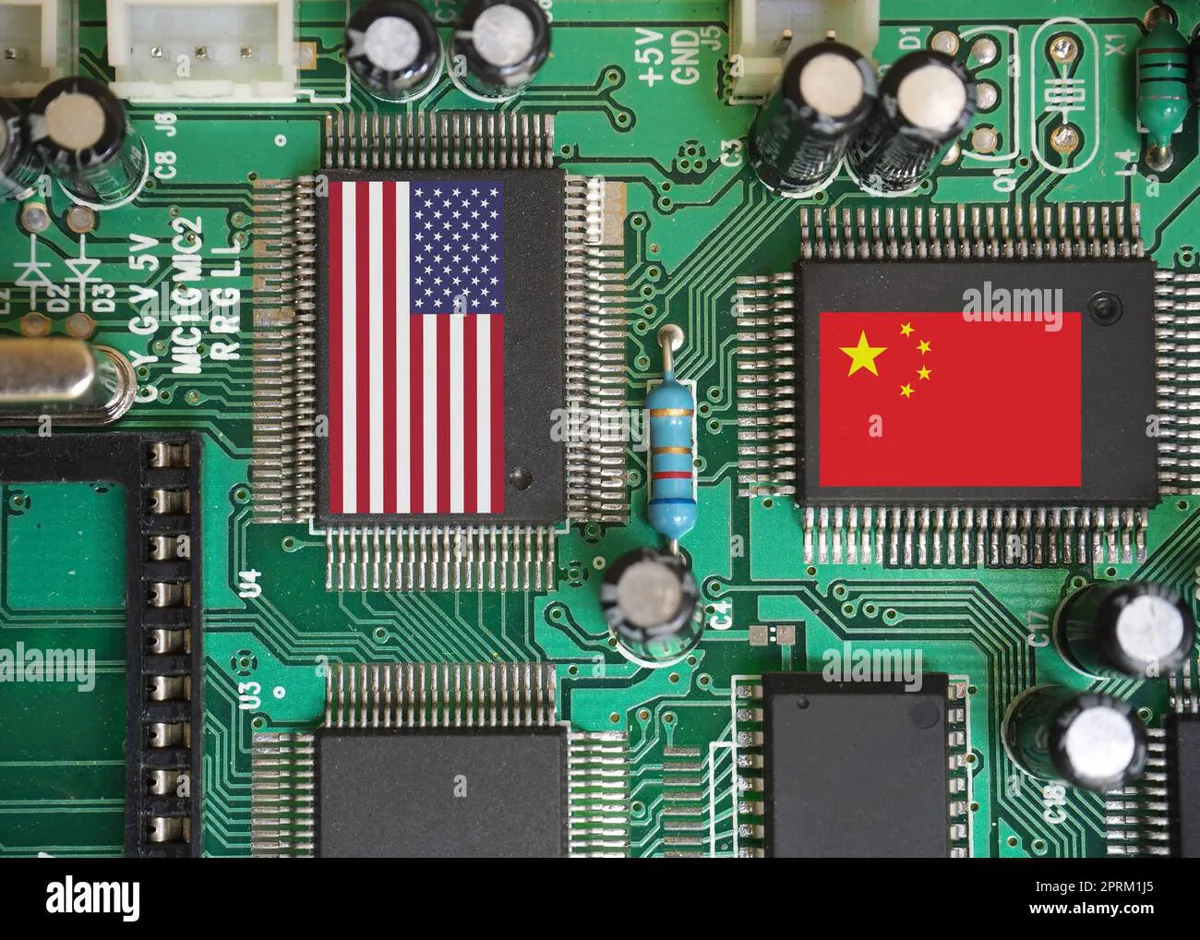
The United States' export controls, implemented to restrict China's artificial intelligence (AI) capabilities, are struggling to achieve their intended impact and are, in fact, accelerating China's technological independence goals. While some industry leaders, such as Anthropic CEO Dario Amodei, argue that China cannot surpass the U.S. in AI without American chips, on-the-ground developments are challenging this perspective.
The U.S. began imposing comprehensive restrictions on the export of advanced graphics processing units (GPUs) and semiconductor manufacturing equipment to China starting in October 2022, expanding these measures in 2023 and 2024. Amodei contends that these controls are vital for U.S. national security and to prevent China from developing advanced AI models for military use and surveillance. He also advocates for stricter measures against Chinese companies using 'distillation'—extracting information from more advanced American models to train their own.
However, significant doubts persist regarding the effectiveness of these restrictions. China's CSI Information Technology Index has surged by 53% over the past year, largely driven by substantial advancements in domestic AI models. Huawei's launch of the Mate Pro 60 smartphone, despite U.S. sanctions, highlights China's accelerated drive for technological self-reliance and its indigenous capabilities. Experts suggest that export controls have triggered 'feverish efforts' within the Chinese technology sector to reduce foreign dependencies.
These developments are reshaping global balances within the semiconductor industry. U.S. semiconductor firms report 'negative ripple effects' on future R&D investments due to decreased sales to China. China remains the largest market, accounting for approximately 50% of global chip sales revenue. Furthermore, Chinese authorities are actively blocking imports of even U.S.-approved advanced chips, such as Nvidia's H200, to steer domestic companies towards local hardware alternatives like Huawei's Ascend. This effectively ends the dominance of U.S. companies in the Chinese AI chip market.
In the broader economic and political context, the U.S. strategy is being evaluated for its implications on global supply chains and international cooperation. The speed at which transformative AI capabilities develop and China's ability to boost its indigenous semiconductor capacity during this period are key questions determining the long-term success of export controls. Some analysts argue that chips are no longer the sole 'technological chokepoint' for AI development, with software and algorithmic advancements also playing a critical role.
Market expectations and analyst comments suggest that China's journey toward technological independence will continue. There is an emphasis on the U.S. needing to focus on continuous innovation rather than solely on protectionist policies. Additionally, multilateral cooperation with allies like Japan and the Netherlands is deemed crucial for the effectiveness of export controls. In the coming period, actions by both the U.S. and China to strengthen their respective AI ecosystems are expected to further intensify competition in the global technology and economic arena.
💸 Ready to act on this news?
You need a brokerage account to invest. Compare 30+ trusted brokers in seconds — zero commission options available.
Comments (0)
No comments yet. Be the first to comment!