

Universal Income: Elon Musk Backs It as Fix for AI Job Losses
Elon Musk touted a universal/high income as a remedy to AI-driven job losses; his remarks come as OpenAI this week proposed a public wealth fund to share AI gains.
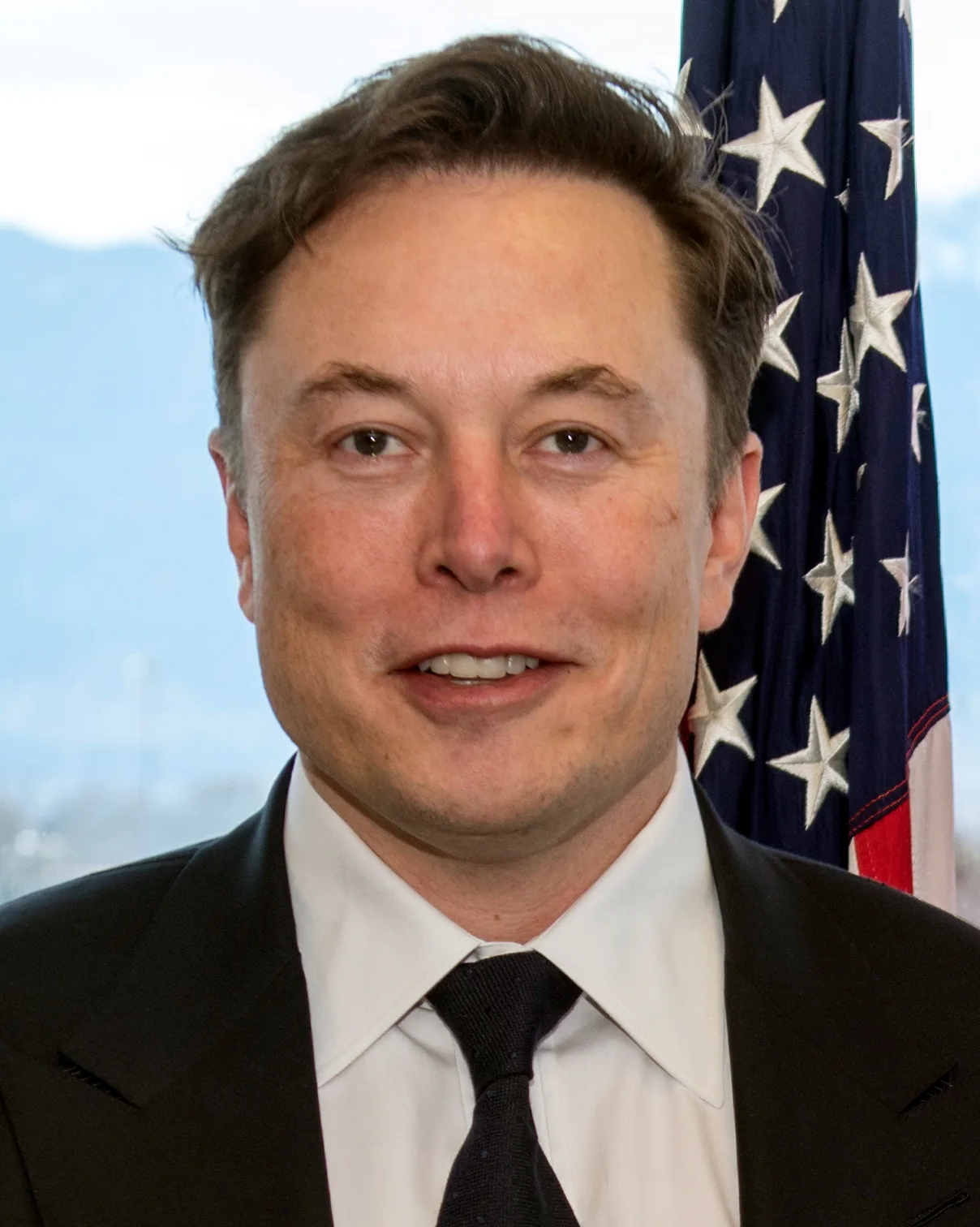
Elon Musk has reiterated his long-held view that advances in artificial intelligence and robotics could render many jobs optional and that societies may need to provide broad income support—what he has described as “universal high income”—to address mass displacement. In recent public remarks and social posts he suggested governments might need to intervene with large-scale income measures to maintain social stability as productivity soars.
The comments arrive shortly after OpenAI (an artificial intelligence research company) published a 13-page policy paper on April 6, 2026 titled “Industrial Policy for the Intelligence Age,” which proposes creating a national public wealth fund seeded in part by AI companies, faster-response social safety nets, pilots for shorter workweeks and tax shifts toward capital to ensure gains from AI are broadly shared. OpenAI framed the fund as a way to give every citizen a stake in AI-driven growth regardless of personal capital market access.
The juxtaposition of Musk’s remarks and OpenAI’s policy blueprint has intensified debate among policymakers and market observers about redistribution mechanisms in the AI era. While equity markets showed limited immediate reaction to the proposals, regulatory and fiscal implications dominate commentary in Washington and other capitals, with questions over how to structure, seed and govern any public wealth vehicle. The debate also highlighted concerns about concentration of AI rents in a handful of firms and the need for transparent governance.
In a broader economic context, proponents argue that a public wealth fund and complementary tax reforms could convert productivity gains into broad-based prosperity, echoing historical precedents where public institutions channeled returns from new technologies into social benefits. Critics counter that financing, inflationary pressures, and political feasibility are significant hurdles, and that detailed implementation roadmaps are still lacking. The discussion touches on core fiscal policy questions: who pays, who benefits, and how to preserve incentives for innovation.
Analysts say near-term policy moves are likely to be incremental—pilots, commissions and targeted safety-net expansions—while more structural changes (comprehensive public wealth funds or major tax overhauls) would require extended political consensus. For investors, the choices policymakers make on taxation and on the governance of any public wealth fund will be key determinants of sectoral winners and losers in the medium term. Observers will watch upcoming legislative and regulatory responses closely.
Related Symbols
💸 Ready to act on this news?
You need a brokerage account to invest. Compare 30+ trusted brokers in seconds — zero commission options available.
Comments (0)
No comments yet. Be the first to comment!