

Unions Urge UK PM Burnham to End Iran War for Cost of Living Crisis
UK trade unions urged PM Andy Burnham to pressure President Trump to end the Iran conflict, aiming to tackle the cost of living crisis. They called for revoking US permission to use RAF bases for Gulf airstrikes to reduce energy and fuel costs.
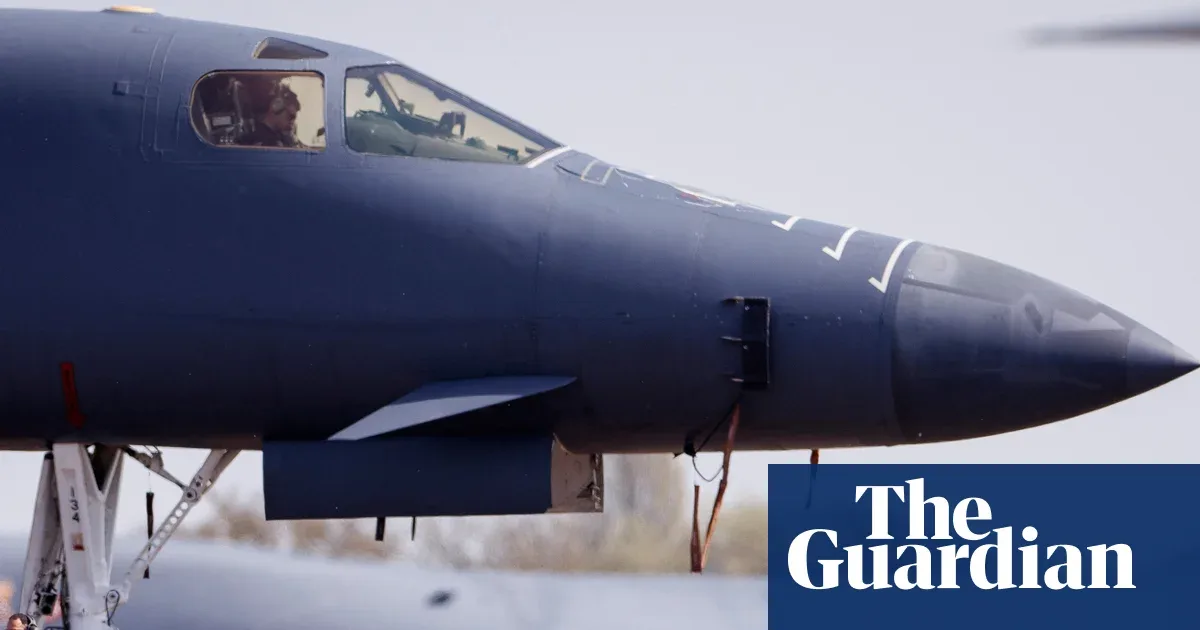
Leading trade unions in the United Kingdom have urged Prime Minister Andy Burnham to exert pressure on US President Donald Trump to bring the conflict in the Middle East to a swift end, aiming to combat the escalating cost of living crisis. Leaders from ten unions, including Unison, the UK's largest, emphasized the need to oppose further military action in the Gulf and revoke permission for the United States to use RAF bases for airstrikes, citing their impact on energy and fuel costs.
In a letter addressed to Prime Minister Burnham, the unions highlighted that the ongoing conflict in the Middle East is exacerbating the cost of living crisis by driving up energy prices. Representing over 2.3 million workers, the union leaders, including Unison, stated that millions of British workers are being negatively affected. It was noted that since the war began, the average British household's annual energy bill has risen by £221, with monthly food bills projected to increase by £32.80.
Geopolitical tensions inherently introduce volatility into global energy markets, directly influencing international oil and natural gas prices, which in turn inflate consumer fuel and heating expenses. This dynamic places considerable strain on household budgets and elevates input costs for businesses. Companies operating in energy-intensive sectors, in particular, face significant threats to their profitability due to these rising operational expenditures.
Regional conflicts in the Middle East consistently serve as a major source of uncertainty for global supply chains and commodity markets. Tensions involving Iran have the potential to destabilize one of the world's most critical oil-producing regions. Such events can trigger widespread consequences, not only jeopardizing energy security but also posing threats to global economic growth. The arrival of UK Foreign Secretary Ed Miliband in Washington for meetings with Trump administration officials, and US Secretary of State Marco Rubio's mention of progress in discussions with Iran and Oman regarding increased shipping through the Strait of Hormuz, indicates ongoing diplomatic efforts.
Analysts generally agree that any escalation of tensions in the Middle East will continue to exert upward pressure on global energy prices. US President Trump's vow to give Iran “one last chance” after heavy bombing last week has heightened uncertainty about the war's outcome and the prospects for oil and gas prices. Conversely, a peaceful resolution or de-escalation of the conflict could lead to a noticeable relief in energy costs. However, in the current climate, the unions' call intensifies expectations regarding the government's approach to both internal economic challenges and its role in foreign policy. The actions taken by the government in the coming period will directly influence the trajectory of the British economy and the living standards of its citizens.
💸 Ready to act on this news?
You need a brokerage account to invest. Compare 30+ trusted brokers in seconds — zero commission options available.
Comments (0)
No comments yet. Be the first to comment!