

Ukraine reconstruction: Back to basics for grain and steel
With the war ongoing, Ukraine and donors insist on planning reconstruction now to 'win the peace', prioritizing grain corridors and steel-sector recovery with strict oversight.
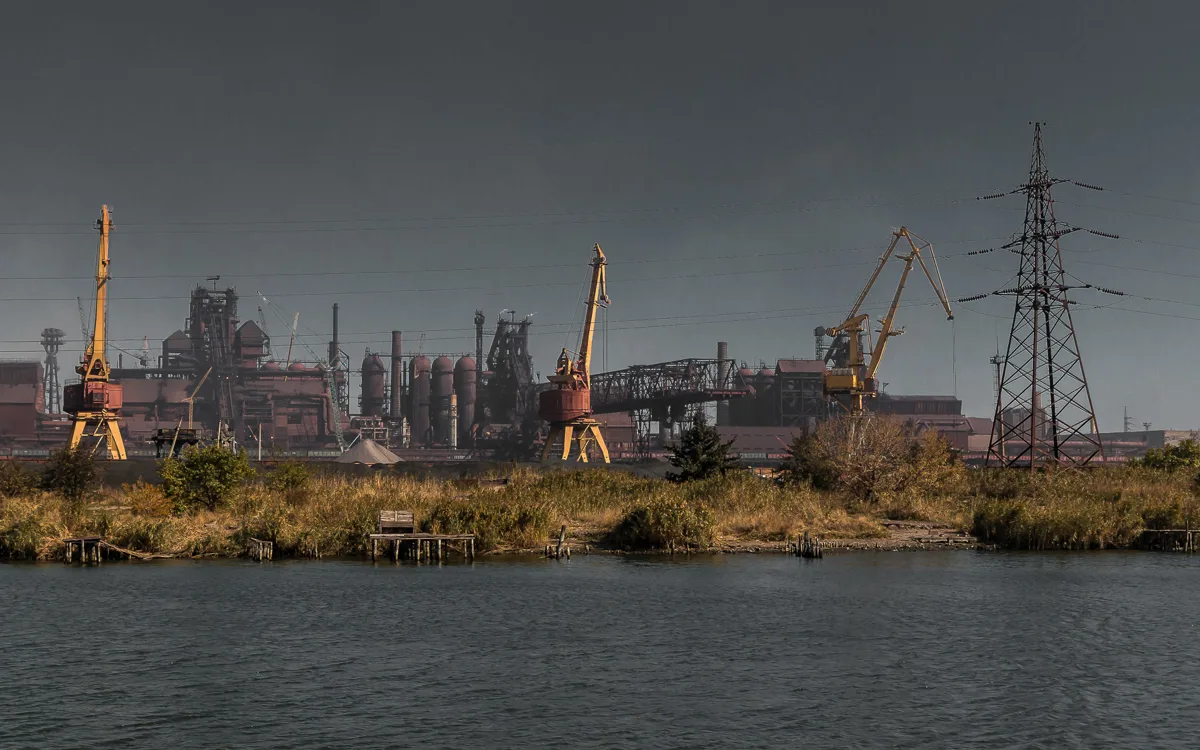
Even while fighting continues, Kyiv and its funders are pressing for advance reconstruction planning to «win the peace». Governments, multilateral lenders and civil society actors argue that preparing projects, rules and institutions now will speed recovery once hostilities subside.
The case for early planning is backed by hard numbers. The fifth Rapid Damage and Needs Assessment (RDNA5), prepared by the World Bank Group with the United Nations and the European Commission, estimates physical damage at $195.1 billion and socioeconomic losses at $666.7 billion through December 31, 2025, while setting ten‑year recovery and reconstruction needs at roughly $587.7 billion. Those figures underline why pipeline readiness, procurement reform and capacity building are urgent priorities.
Sectoral attention focuses on grain and steel. Ukraine remains a major global source of wheat, corn and sunflower oil, and disruptions to Black Sea export corridors have had tangible effects on global food markets. At the same time, Ukrainian crude steel output plunged after major mill closures and damage, amplifying concerns about regional supply and industrial employment. Restoring port access and repairing metallurgical capacity are therefore central to both domestic recovery and global commodity flows.
Market consequences are immediate and structural: grain corridor uncertainty lifts food-price volatility, while reduced steel production can push up construction and infrastructure costs worldwide. The RDNA5 and related policy papers stress phased, transparent investment prioritization and the leveraging of private capital, but warn that financing gaps and implementation constraints could slow reconstruction and raise risk premia for investors.
Analysts expect donors to condition large-scale support on governance, anti-corruption safeguards and robust project pipelines; several EU and multilateral initiatives aim to provide technical assistance for public investment management and procurement reforms. If implemented, these measures could unlock sizeable private participation and shorten the recovery timeline; if not, reconstruction risks becoming protracted and costlier, with knock-on effects for regional markets and global commodity prices.
💸 Ready to act on this news?
You need a brokerage account to invest. Compare 30+ trusted brokers in seconds — zero commission options available.
Comments (0)
No comments yet. Be the first to comment!