

UK Water Firms Consider 'Surge Pricing' During Droughts
Water companies in England and Wales are exploring proposals from regulator Ofwat to implement "surge pricing" during droughts to curb consumption. This move, aiming to factor water scarcity into bills, comes amidst public backlash over rising costs and could introduce a new pricing structure from April 2027.
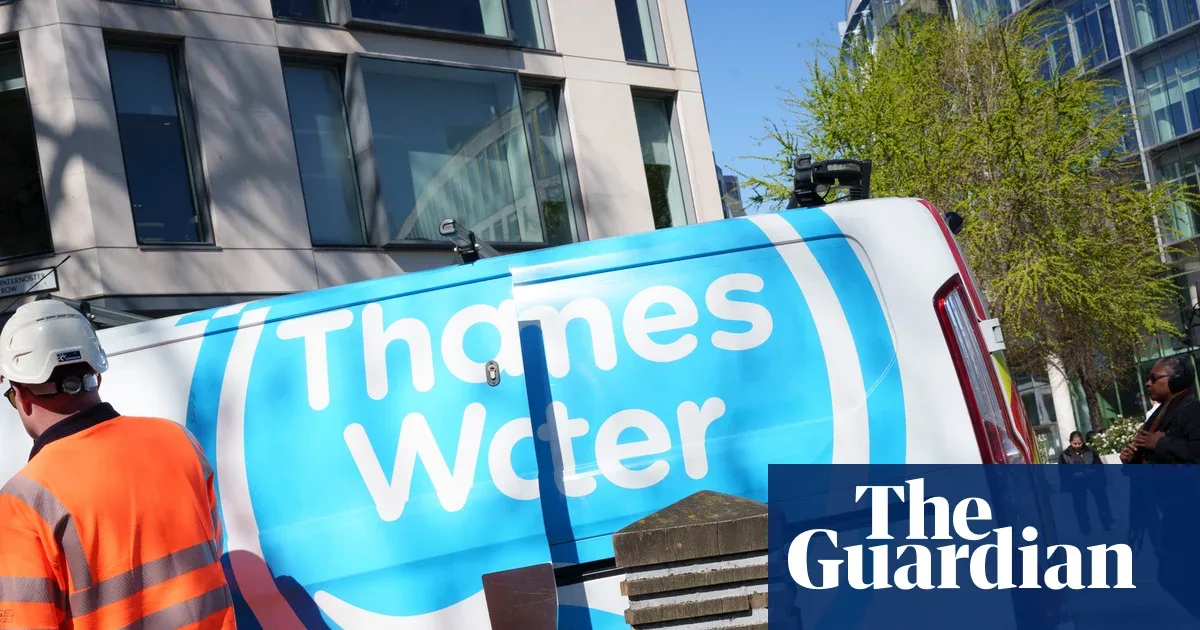
Water companies in England and Wales are exploring the possibility of raising bills through a model that could be termed "surge pricing" during drought periods. This initiative is part of a series of proposals being considered by the water regulator, Ofwat, aimed at incorporating water scarcity into pricing to reduce consumption. This new practice is expected to bring about a significant transformation in a sector grappling with escalating costs and environmental concerns.
The proposals under review by Ofwat could permit water companies to reflect water scarcity in customer bills during droughts. This approach is likened to "surge pricing," similar to how taxi firms increase fares during peak demand. The objective is to make water more expensive when it becomes scarce, thereby encouraging reduced consumption and promoting water efficiency. Such a pricing model is deemed feasible, particularly with the widespread adoption of smart water meters.
The proposals may include various methods such as seasonal pricing (cheaper water in winter, more expensive in summer) or block tariffs (higher rates once a certain usage threshold is exceeded). Some water companies have already conducted trials of such pricing in limited areas of the UK. For instance, Anglian Water undertook one of the largest trials involving 14,000 households in Lincoln and Norwich. These developments follow the conclusion of Ofwat's consultation on changes to wholesale charging rules on July 30, with the regulator expected to announce its final decision shortly. The new pricing mechanisms could potentially come into effect from April next year.
These recommendations emerge amid growing public outrage directed at water companies. Concerns have mounted as bills continue to climb, while sewage flows into national waterways, and firms have been criticized for paying high executive salaries and distributing millions of pounds in dividends to shareholders. Recently, five major water companies—Thames Water, Southern Water, South East Water, Severn Trent, and Wessex Water—were granted permission to raise bills more than initially planned between 2027 and 2030 to cover billions of pounds in additional spending on infrastructure projects. UK Prime Minister Andy Burnham reacted to this situation by accusing water companies of treating customers like an "open cheque." A government spokesperson, however, emphasized the commitment to protecting households from cost of living pressures, pledging to reform the water sector to serve the public interest and keep bills as low as possible.
In a broader economic context, water scarcity is projected to impose substantial costs on the UK economy. Analyses suggest that water scarcity could cost the UK economy up to £25 billion over the next five years due to halted housing developments. This could lead to approximately 61,600 unbuilt homes, particularly in Eastern and Southeastern England. Water companies' efforts to enhance water efficiency through these new pricing models aim to alleviate these economic losses by reducing pressure on long-term water resources.
Analysts and market observers note that Ofwat's final decision will have significant implications for both water companies' revenue streams and consumer expenditures. On one hand, it could support infrastructure investments by offering a more sustainable operational model for water companies. On the other hand, it carries the potential to impose an additional burden on household budgets. Experts emphasize that the fair and transparent implementation of these mechanisms, along with a careful consideration of their potential impact on low-income households, is critical.
💸 Ready to act on this news?
You need a brokerage account to invest. Compare 30+ trusted brokers in seconds — zero commission options available.
Comments (0)
No comments yet. Be the first to comment!