

UK to Review EV Sales Targets Amid Industry Pressure
The UK is consulting on cutting 2030 electric vehicle sales targets from 80% to as low as 50%. Driven by industry pressure, this move risks billions in extra consumer costs and increased carbon emissions.
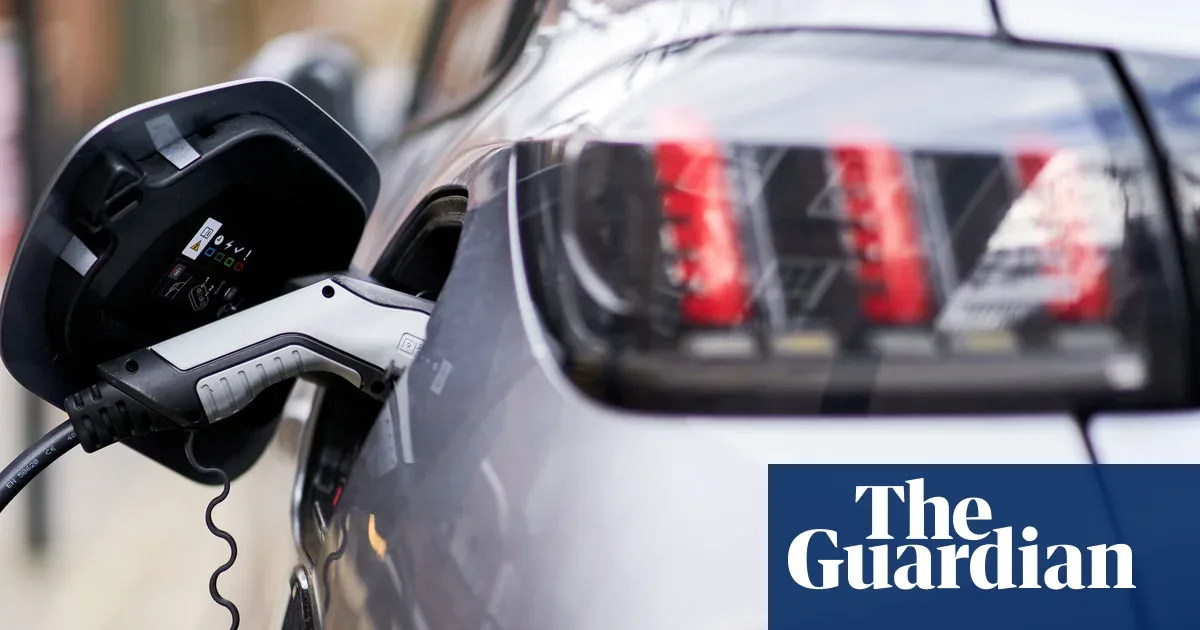
The United Kingdom government has initiated a consultation process to potentially revise its electric vehicle (EV) sales targets, which currently aim for EVs to constitute 80% of new car sales by 2030. The government, led by Prime Minister Andy Burnham, is exploring options to reduce this target to as low as 50%. This potential change could see the existing 80% target adjusted to 70%, 60%, or 50%.
This development comes as a direct response to intense lobbying from the automotive industry and unions. Industry representatives argue that the current targets are overly ambitious, forcing manufacturers to sell EVs at discounts, which threatens job security and potential factory closures across the UK. Automakers also cite slower-than-anticipated consumer uptake, partly due to high upfront costs and a lack of sufficient public charging infrastructure. The government has emphasized the need for targets to “remain pro-business and grounded in the real world.”
However, this proposed revision could have significant economic and environmental repercussions. According to analysis by Carbon Brief, weakening the targets could cost UK consumers as much as £3 billion a year by 2030, primarily due to the higher lifetime ownership costs of petrol cars compared to EVs. Electric vehicles are estimated to be around £1,100 cheaper to run per year than petrol cars. Furthermore, a reduction to a 50% target could result in 3 million fewer battery electric vehicles (BEVs) on UK roads by 2030. This could necessitate the UK importing an additional 17 million barrels of oil in 2030, increasing net imports by 8% and adding 2.5% to national emissions.
In the financial markets, this development may create a period of uncertainty for stocks tied to the electric vehicle ecosystem. Automakers with substantial EV commitments might experience reduced pressure to accelerate production, potentially affecting their near-term earnings expectations. Conversely, the electric car charging industry, which has plans to invest billions of pounds in infrastructure, is strongly opposing these changes. While electric car sales have soared by 29% in the UK this year, the current sales rate, at one in four new registrations, still lags behind the 2026 target of one in three.
This consultation process is being evaluated within the broader context of the UK’s economic and environmental commitments. The country remains committed to banning the sale of new petrol and diesel cars from 2035. Transport Secretary Heidi Alexander stated that the “end goal hasn't changed – but we need to take business with us on the journey.” This reflects the government's delicate balancing act between maintaining climate targets and supporting industrial competitiveness.
Analysts and market observers are closely monitoring the outcome of the consultation. Organizations like the Society of Motor Manufacturers and Traders (SMMT) argue that the existing Zero-Emission Vehicle (ZEV) mandate has deterred global investment in the UK. However, environmental campaigners and the EV charging sector emphasize that stable targets are crucial for both emissions reduction and long-term investment confidence. The consultation will run until October 23, with potential changes also anticipated for van sales targets. The final decision is expected to have long-lasting implications for the UK's automotive industry and its climate policies.
💸 Ready to act on this news?
You need a brokerage account to invest. Compare 30+ trusted brokers in seconds — zero commission options available.
Comments (0)
No comments yet. Be the first to comment!