

UK speed limits cut to 20/60mph to curb Iran war shock, IPPR
IPPR urges 20mph in towns and 60mph on motorways to lower fuel demand amid Iran war-driven oil shocks and ease consumer cost pressures.
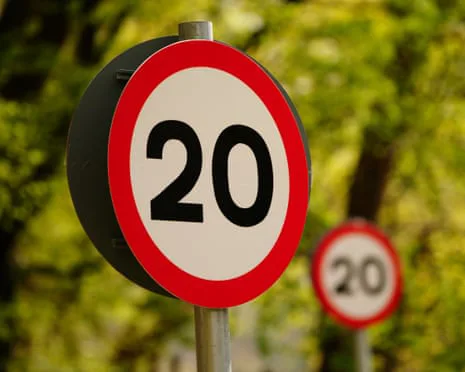
The Institute for Public Policy Research (IPPR) on 7 May 2026 recommended that the UK temporarily reduce speed limits to 20mph in towns and 60mph on motorways as part of a package to blunt the consumer impact of higher oil prices linked to the Iran conflict. The thinktank argues such measures would reduce fuel demand and help contain rising transport costs for households.
IPPR’s proposal is bundled with other interventions: a temporary annual energy price cap around £2,000, a 10p cut in fuel duty and public guidance on more efficient driving, plus incentives for working from home and carpooling. The institute’s modelling warns inflation could reach 5.8% in prolonged disruption and estimates the Treasury could face up to a £8 billion annual fiscal hit without action.
From a market perspective, lower speed limits would act on the demand side, potentially easing pressure on refined fuel consumption and, indirectly, on crude prices that feed through to pump costs. While not an immediate price fix, demand moderation can reduce the scale of price spikes and, according to IPPR, lessen the likelihood of more aggressive monetary tightening by the Bank of England.
The recommendation sits alongside International Energy Agency (IEA) contingency advice, which has urged member countries to consider demand-management steps including speed reductions and remote working in response to supply shocks. IPPR also notes Ofgem’s quarterly cap mechanics and flags the potential for average household bills to approach the proposed £2,000 level if market pressures continue into the summer.
Reaction from policymakers and the public is likely to be mixed: lower limits have precedent in parts of the UK but have provoked resistance in some communities. IPPR stresses that a carefully designed, temporary package combining targeted fiscal relief and demand measures would be more cost-effective than large blanket subsidies and could reduce both inflation and fiscal strain if implemented swiftly. The coming weeks should show whether ministers adopt elements of the report amid ongoing energy market volatility.
💸 Ready to act on this news?
You need a brokerage account to invest. Compare 30+ trusted brokers in seconds — zero commission options available.
Comments (0)
No comments yet. Be the first to comment!