

UK's Unexpected July Budget Deficit: Challenges Ahead for Healey's First Budget
The UK government recorded an unexpected budget deficit of £1.8 billion in July, exceeding market expectations. This highlights the fiscal challenges facing new Chancellor John Healey as he prepares his first budget, with total public debt reaching £2.98 trillion, or 94% of GDP.
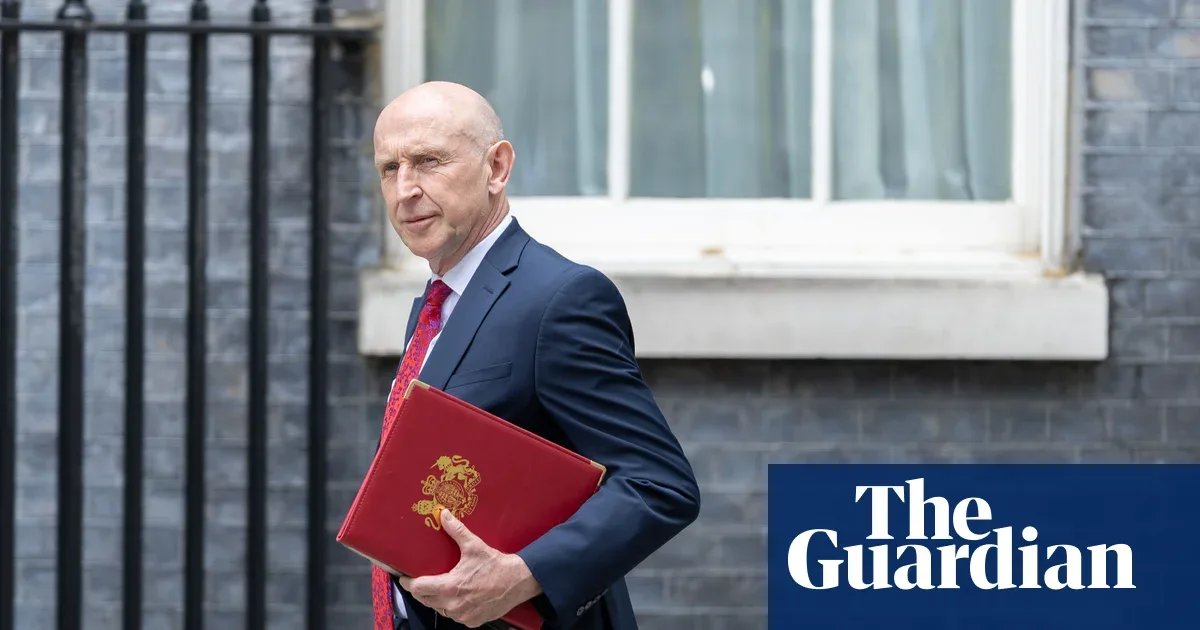
The UK's public finances presented an unexpected picture in July 2026, recording a budget deficit of £1.8 billion. This development significantly surpassed market expectations, as City economists had anticipated a balanced budget (zero shortfall) for July, while the Office for Budget Responsibility (OBR) had forecast a £500 million surplus. Data released by the Office for National Statistics (ONS) underscores significant fiscal pressures facing the new Chancellor of the Exchequer, John Healey, as he prepares to deliver his first budget on October 28.
The primary reason for July's deficit was an increase in government spending, despite robust self-assessed income tax receipts. According to ONS data, spending on social benefits rose by £2 billion compared to the same month last year, while expenditure on goods and services also increased by £1.2 billion. For the first four months of the fiscal year (April-July), the cumulative budget deficit stood at £56.7 billion. While this figure is lower than the same period last year, it still runs £2.3 billion ahead of the OBR's forecast.
The nation's total public debt was provisionally estimated at £2.98 trillion (£2,984.9 billion) at the end of July 2026, marking an increase of £95.9 billion from a year earlier. Public debt as a percentage of Gross Domestic Product (GDP) was recorded at 94.1%. Although this ratio is 0.8 percentage points lower than a year ago, it remains close to levels last seen in the early 1960s. Debt interest payments in July amounted to £7.7 billion.
These financial developments create a challenging economic backdrop for the new government led by Prime Minister Andy Burnham and Chancellor John Healey. Healey, who took office on July 20, 2026, has emphasized fiscal discipline to reassure markets. However, factors such as higher inflation, slower growth, and rising bond yields are contributing to a gloomier outlook for public finances than projected in Rachel Reeves's spring statement in March. Geopolitical developments, such as the Iran war, further complicate this economic picture.
Analysts and market observers note that Chancellor Healey is under pressure to limit borrowing and continue efforts to reduce the fiscal deficit in his inaugural budget in October. Healey has stated that fiscal discipline is the bedrock of the UK's economic stability and national security, committing to meeting fiscal rules and building a buffer against global uncertainties. In the coming period, the government's strategy for addressing these fiscal challenges and the impact of the upcoming budget on markets will be closely watched. The ability to balance growth objectives with fiscal sustainability will be of critical importance.
💸 Ready to act on this news?
You need a brokerage account to invest. Compare 30+ trusted brokers in seconds — zero commission options available.
Comments (0)
No comments yet. Be the first to comment!