

UK retail sales rebound as motorists stockpile fuel amid Iran conflict
UK retail sales unexpectedly rose in March, driven largely by motorists rushing to forecourts as petrol prices spiked amid Middle East tensions.
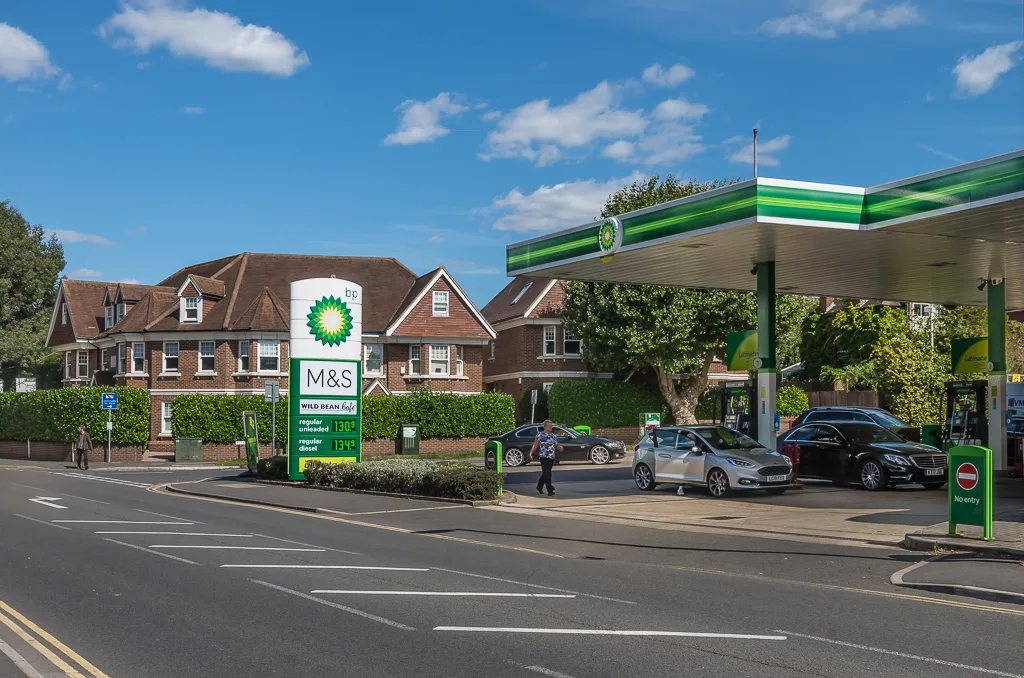
UK retail sales showed an unexpected rebound in March, with official first estimates indicating a rise in retail volumes over the three-month period. The headline improvement was notably driven by a sharp increase in spending at forecourts as motorists responded to higher pump prices.
Detailed releases show that while overall retail volumes climbed, the picture is uneven once fuel is excluded: core retail sales growth was noticeably weaker than the headline figure, implying that higher fuel receipts accounted for a significant portion of the monthly gain. Market summaries and the statistical bulletin highlight this divergence between total and excluding-fuel measures.
The pocket of stronger nominal retail receipts tied to fuel has implications for inflation and household budgets. A spike in oil and refined product prices stemming from the Middle East conflict pushed pump prices up, which mechanically lifts retail turnover but also functions as a tax on consumption, potentially crowding out discretionary spending. Global oil market volatility over recent weeks amplified these pass-through effects on domestic retail.
In broader context, the march higher in fuel-related retail receipts reflects supply-risk dynamics associated with the Iran-related conflict and disruptions around critical shipping routes. Episodes of constrained flows through the Strait of Hormuz and related geopolitical shocks fed a risk premium into Brent and other crude benchmarks, translating quickly into higher petrol and diesel prices at UK pumps. That transmission explains why forecourts saw elevated footfall and receipts in the month.
Analysts warn that the strength in headline retail sales may prove transient if fuel prices normalise; sustained higher energy costs, however, would keep inflation pressures elevated and complicate the Bank of England’s policy stance. For markets, the key watch items are the next ONS revisions, the path of pump prices, and consumption data excluding fuel to gauge underlying demand. A reversion in oil markets would likely damp the headline growth and reintroduce downside risks to retail activity.

Related Symbols
💸 Ready to act on this news?
You need a brokerage account to invest. Compare 30+ trusted brokers in seconds — zero commission options available.
Comments (0)
No comments yet. Be the first to comment!