

UK inflation rises to 3.3% as Iran war could wipe out 75% headroom
UK headline inflation climbed to 3.3% in March; Resolution Foundation warns a severe Iran-war scenario could erase roughly three quarters of the chancellor’s fiscal headroom.
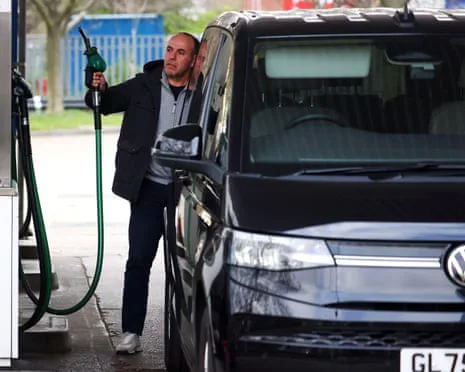
UK consumer price inflation accelerated to 3.3% year‑on‑year in March, driven principally by a sharp rise in motor fuel and travel costs, official data and market reports show. The move reflects early pass‑through from higher energy prices and disruptions to shipping in the Gulf.
Detailed readings indicate that petrol and diesel prices were the largest contributors to the monthly pickup, with air fares and some food categories also adding to headline pressure. Trade unions and commentators warned that real wages are under renewed strain as household energy and transport outlays climb; Sharon Graham of Unite said workers face mounting hardship and called for decisive action on soaring energy bills.
Markets reacted to parallel developments in the Middle East: Brent crude briefly traded around $100 a barrel amid reports of gunfire against vessels in the Strait of Hormuz and an effective halt to some shipping routes. Maritime security alerts from the United Kingdom Maritime Trade Operations and coverage by major news agencies reported attacks on cargo vessels, elevating near‑term supply risk and prompting a repricing in oil markets. That volatility is feeding into inflation expectations and financial markets globally.
The macro‑fiscal implications are material. The Resolution Foundation’s April analysis models a ‘severe but plausible’ downside in which elevated energy prices and weaker activity would increase public borrowing by around £16bn a year in 2029‑30, effectively wiping out much of the Chancellor’s £21.7bn fiscal buffer from the autumn budget. The think‑tank cautions that universal, unfunded support would risk higher borrowing costs and that targeted, temporary measures are the preferable policy response.
Looking ahead, market participants and policymakers will monitor energy price trajectories, shipping security in the Gulf and incoming UK data for signs of second‑round inflation effects. The Bank of England faces a trade‑off between guarding against persistent inflation and not stifling growth; fiscal policymakers are under pressure to balance targeted household support with maintaining credibility on public finances. In practice, the next moves will hinge on whether energy shocks persist and how they influence wages, bond yields and mortgage costs.
Related Symbols
💸 Ready to act on this news?
You need a brokerage account to invest. Compare 30+ trusted brokers in seconds — zero commission options available.
Comments (0)
No comments yet. Be the first to comment!