

UK house prices up 3% in April; typical home worth £278,880
Nationwide data show annual UK house price growth rose to 3% in April, taking the typical property to £278,880, signalling market resilience amid Middle East tensions.
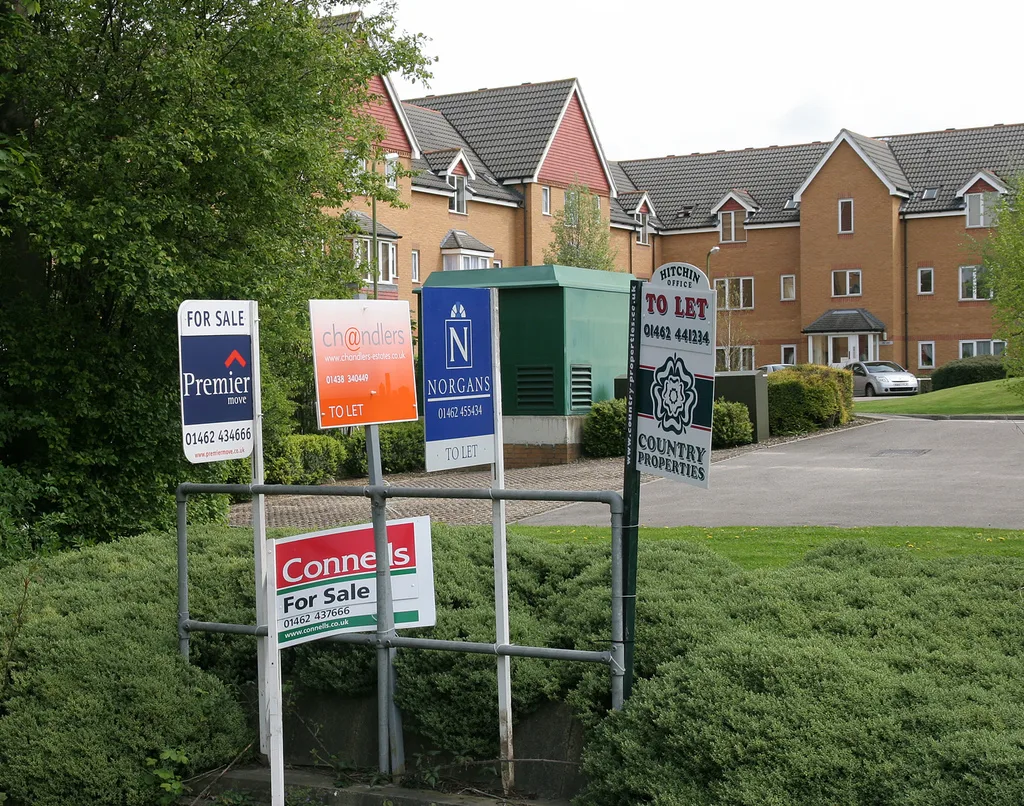
UK house prices unexpectedly strengthened in April, with annual growth rising to 3.0% and the typical property value reaching £278,880, according to Nationwide Building Society’s latest House Price Index. The result highlighted renewed momentum in the housing market despite geopolitical headwinds.
On a monthly basis, prices rose 0.4% in April after a 0.9% increase in March, a pattern that ran contrary to economist expectations for a decline. Nationwide’s chief economist Robert Gardner noted that developments in the Middle East and higher energy costs had weighed on consumer confidence, yet the housing market continued to regain momentum following a slowdown earlier in the year. Major outlets including Reuters and Bloomberg reported the surprise nature of the data.
The immediate market impact was modest: housing values rose but the broader outlook remains sensitive to borrowing costs. Reuters reported that mortgage rates have increased since the outbreak of conflict tied to Iran, which has reduced consumer sentiment to lows not seen since 2023; nonetheless, household debt relative to income remains low and wage growth has outpaced house-price increases in recent years, supporting demand. Rival indicators such as Halifax’s March fall underscore regional and methodological differences.
In the wider economic context, the data illustrates how external shocks—energy price movements and geopolitical risk—interact with domestic affordability and monetary policy to shape housing dynamics. Nationwide’s commentary emphasized that savings buffers and relatively low leverage among households have so far insulated much of the market, but distributional effects mean some segments remain vulnerable if rates continue to climb.
Market analysts expect a mixed near-term outlook: if energy prices stabilise and mortgage rates ease, demand could hold up and price growth may continue at a moderate pace; if borrowing costs rise further, transaction volumes and price momentum could cool. Observers advise tracking regional supply constraints, lender pricing and central bank signals closely to gauge the next phase of the UK housing cycle.
💸 Ready to act on this news?
You need a brokerage account to invest. Compare 30+ trusted brokers in seconds — zero commission options available.
Comments (0)
No comments yet. Be the first to comment!