

UK gilts: What a Labour leadership challenge would mean for bonds
Gilt markets fear a Labour leadership change after May local elections could loosen fiscal rules and push UK government bond yields higher amid global inflation shocks.
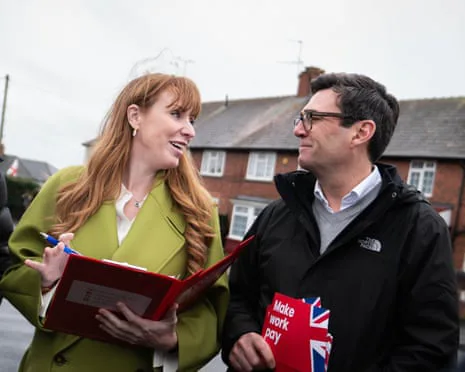
Political uncertainty inside the Labour party following the May local and devolved elections has become a material factor for the UK gilt market, with investors increasingly worried that a leadership change could weaken fiscal discipline and lift borrowing costs. This fear has pushed gilt yields higher and raised the risk premium investors demand to hold UK government debt.
The development accelerated as leading potential successors to Keir Starmer, including Angela Rayner and Andy Burnham, sought to reassure markets while polls suggested heavy local losses for Labour. Comments from figures perceived as more left-leaning, and historical remarks — notably Burnham’s past line about being “in hock to the bond markets” — have compounded investor unease, driving a reassessment of fiscal policy risk if leadership were to change. Analysts also point to predictions of significant council seat losses as the trigger for an internal leadership contest.
Market moves have been tangible: ten-year gilt yields have traded around the 5% area in recent weeks and 30‑year yields have hit multi‑year highs as global bond markets adjust to higher inflation expectations and geopolitical risk. The immediate effect is higher borrowing costs for the UK Treasury and greater pressure on public finances, particularly given the already elevated debt interest bill. These dynamics leave less fiscal headroom for discretionary spending without alarming investors further.
The background to these moves includes lingering memories of the 2022 gilt sell‑off after the mini‑budget, and current global shocks — notably disruptions that lift energy prices — that disproportionately affect the UK. Together, these factors make markets more sensitive to any signs of a shift toward looser fiscal policy, meaning political developments at home can have outsized effects on gilts.
Looking ahead, market participants expect a period of heightened volatility while local election results and subsequent Labour party dynamics unfold. Several analysts argue that preserving fiscal credibility — for example by keeping a market‑trusted finance minister in place — would be the clearest way to calm gilt markets, while others note that even a leadership change may be constrained in practice by market-imposed limits on borrowing. Investors will be watching party statements, any retention or replacement of the chancellor, and official debt management operations for signals.
💸 Ready to act on this news?
You need a brokerage account to invest. Compare 30+ trusted brokers in seconds — zero commission options available.
Comments (0)
No comments yet. Be the first to comment!