

UK economy stuck: voters' demands clash with bond market pressure
Larry Elliott argues (30 April 2026) that Britain’s economy is stuck as voters’ demands collide with constraints imposed by the bond market, narrowing policy choices.
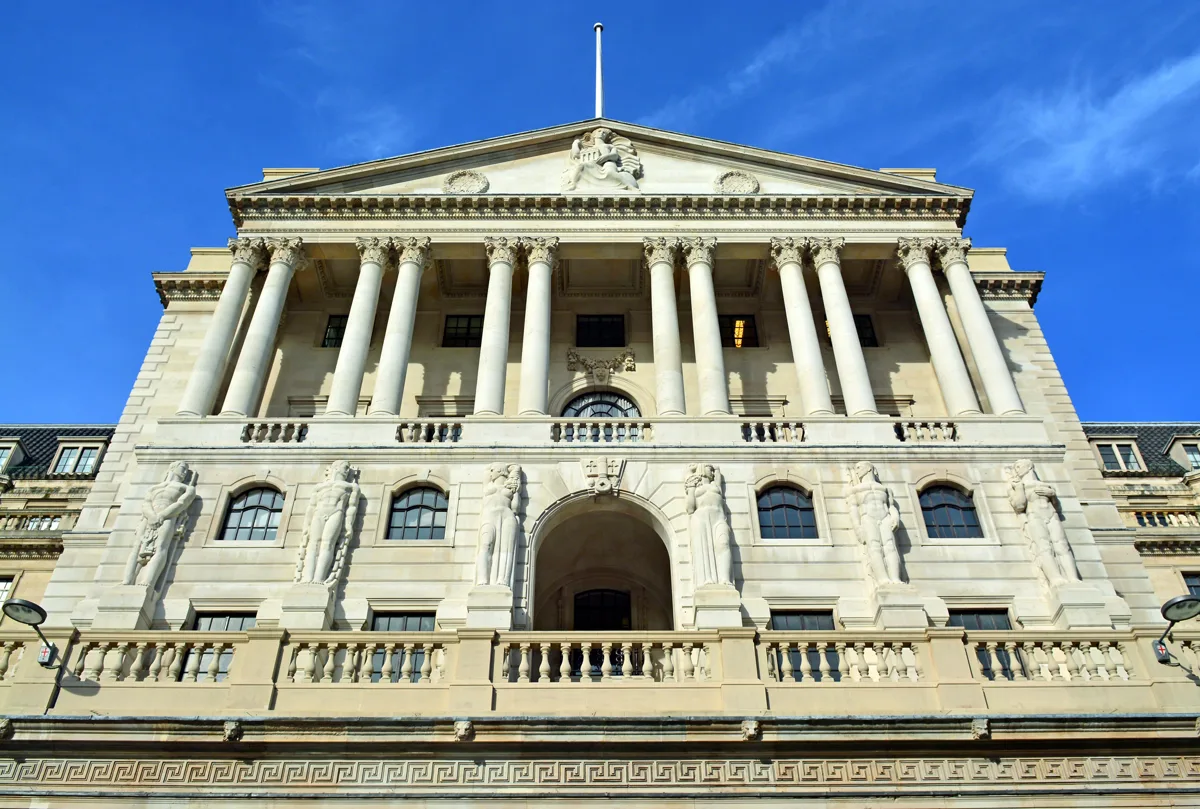
In a Guardian column published on 30 April 2026, Larry Elliott argues that Britain’s economy is effectively stuck because the policy demands of voters increasingly collide with the constraints imposed by the bond market. Elliott suggests that, while there is no formal “Bond Dealers party,” investors in UK government debt wield outsized influence over what is politically feasible.
Elliott points to growing political fragmentation in England, noting that with local voting imminent the electorate faces multiple options beyond the traditional two main parties. That fragmentation reflects deep discontent with both Labour and the Conservatives and has boosted support for parties advocating bolder economic measures; however, Elliott warns that market reactions to higher borrowing can choke off those ambitions.
From a market perspective, pressure on gilts has translated into higher long-term yields, increasing the government’s debt servicing costs and reducing fiscal flexibility. Recent reporting by Bloomberg and Reuters highlights episodes where UK long-dated gilt yields rose sharply, reflecting investor concerns about the sustainability of planned fiscal expansions and contributing to sterling volatility. These dynamics make it harder for governments to pursue aggressive, debt-financed growth programs without provoking market backlash.
The economic implications extend beyond bond desks: constrained fiscal room affects public investment, productivity-enhancing measures and households’ real incomes. The Bank of England’s dual task of containing inflation while supporting growth becomes more complex when sovereign yields signal reduced investor confidence. Market commentary from outlets such as CNBC underscores how these financial feedback loops can amplify political dilemmas into economic stagnation.
Analysts outline two plausible paths ahead: a credible fiscal framework that rebuilds investor trust and permits targeted growth spending, or sustained market skepticism that forces fiscal restraint and slower recovery. As Elliott emphasizes, the decisive variable will be how bond investors interpret policy credibility; that market judgement may well determine the bounds of Britain’s economic policy for the coming years.

💸 Ready to act on this news?
You need a brokerage account to invest. Compare 30+ trusted brokers in seconds — zero commission options available.
Comments (0)
No comments yet. Be the first to comment!