

UK Considers Cutting Electric Vehicle Sales Targets Amid Industry Pressure
The UK government is reviewing its 2030 electric vehicle (EV) sales targets, potentially reducing the mandate from 80% to as low as 50% following lobbying from car manufacturers. A public consultation has been launched on the proposed changes.
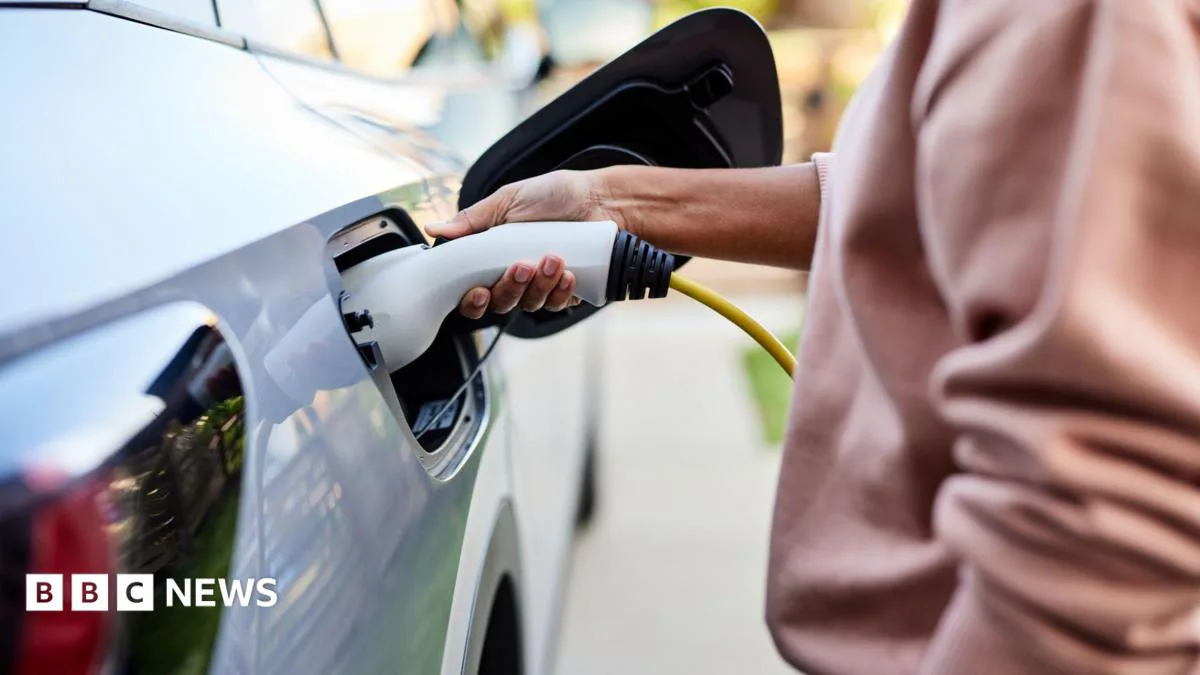
The United Kingdom government has initiated a review of its ambitious electric vehicle (EV) sales targets for 2030, considering a significant reduction in the mandated proportion of new EV sales. This move comes after sustained pressure from the automotive industry, with proposals suggesting the existing 80% target could be lowered to as little as 50%. A consultation process has been launched to gather feedback on these potential adjustments.
The Zero Emission Vehicle (ZEV) mandate, introduced in the UK in 2024, requires carmakers to ensure a rising percentage of their annual new car sales are zero-emission vehicles. Under the current rules, EVs were targeted to account for 33% of new car sales in 2026, rising to 80% by 2030, and reaching 100% by 2035. However, car manufacturers have consistently argued that these targets are increasingly difficult to meet due to global supply chain disruptions, insufficient consumer demand, and the need to offer substantial discounts, which erode profit margins. Industry representatives have warned that maintaining the current mandate could lead to job losses and even factory closures in the UK.
Transport Secretary Heidi Alexander stated that the review aims to ensure the targets remain “pro-business and grounded in the real world,” while emphasizing that the ultimate goal of decarbonization remains unchanged. The government's consultation outlines four potential pathways for the 2030 target: retaining the 80% goal, reducing it to 70%, 60%, or 50%, or maintaining the current trajectory while introducing new flexibilities for manufacturers to comply. The consultation period is set to conclude on October 23rd.
This potential policy shift has elicited varied reactions across markets and among stakeholders. Climate campaigners and the electric vehicle charging infrastructure sector have voiced strong opposition, warning that weakening the targets could add millions of tonnes of carbon dioxide to future emissions and undermine billions of pounds already invested in charging infrastructure based on the existing mandate. Conversely, the automotive industry has largely welcomed the review. Organizations such as the Society of Motor Manufacturers and Traders (SMMT) contend that the current regulations are outpacing market demand and require “timely optimization” to ensure a commercially sustainable transition that protects UK competitiveness and investment. Despite a 29% surge in EV sales in the UK this year (with battery EVs making up 27.4% of new car registrations in July), the pace of adoption is still trailing the ambitious ZEV mandate targets.
The broader context for this review includes challenging and complex global economic conditions, characterized by supply chain disruptions, tariff uncertainty, and general economic headwinds. While the government's overarching commitment to phasing out new petrol and diesel car sales by 2035 is expected to remain firm, the adjustment of interim targets could allow for a greater proportion of hybrid vehicle sales in the medium term. Analysts predict that a reduction to a 50% target could result in up to 3 million fewer battery EVs on UK roads by 2030 and potentially cost UK consumers an additional £3 billion per year due to higher running costs of petrol cars.
Moving forward, the outcome of this consultation and the government's final decision will significantly shape the trajectory of the UK's automotive sector and its broader economic green transition. The industry is seeking further support for charging infrastructure and cost incentives to accelerate consumer adoption, while the government aims to strike a balance between its environmental commitments and the practical realities faced by the industry. This balance will be crucial for both the nation's climate pledges and its economic competitiveness.
💸 Ready to act on this news?
You need a brokerage account to invest. Compare 30+ trusted brokers in seconds — zero commission options available.
Comments (0)
No comments yet. Be the first to comment!