

UK coastal erosion hits homes and infrastructure, sparking costs
UK coastal erosion is threatening homes, roads and railways, forcing local authorities to face rising repair and relocation costs amid limited national planning.
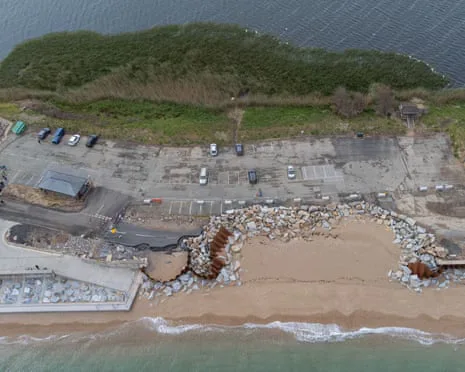
Accelerating coastal erosion and recent winter storms have caused significant damage to homes, roads and sections of railway across the UK, creating both immediate repair needs and longer-term financial liabilities for local authorities and central government. Detailed reporting highlights multiple communities where houses and transport links are literally slipping toward the sea.
The phenomenon has unfolded starkly in South West England, where the A379 Slapton Line between Torcross and Slapton suffered a collapse after sea defences were battered by storms, leaving stretches of tarmac and car parks submerged and cutting off key local routes. Local council statements and regional reporting estimate early repair costs for that road in the low tens of millions of pounds, while emergency works and diversions add near-term expenditures.
National assessments and committee reports cite significant exposure: thousands to tens of thousands of properties may be at risk over coming decades, and extensive lengths of roads and some rail lines face heightened erosion-related vulnerability. Official hazard summaries and parliamentary reviews underline that both direct infrastructure repairs and indirect costs—demolitions, relocations and loss of economic activity—will weigh on public finances and local budgets.
The financial channels of impact include increased public spending on coastal defence and transport adaptations, potential upward pressure on insurance premiums or reduced coverage in high-risk zones, and differentiated property valuations along exposed shorelines. Local tourism-dependent economies risk revenue shortfalls when access routes are severed or beaches become unsafe, while municipal cashflows may be strained by emergency response and capital works. Reports by resilience networks and industry commentators recommend a mix of retreat, managed realignment and targeted investment where cost-effective.
Looking ahead, market participants and policymakers are expected to reprice coastal risk: insurers and mortgage providers may tighten conditions in vulnerable postcodes, construction and engineering firms could see sustained demand for defence works, and central government will face pressure to clarify funding priorities. Analysts say transparent national strategies and clearer cost-sharing mechanisms between government layers will be necessary to avoid ad hoc, fiscally disruptive responses as erosion accelerates.

💸 Ready to act on this news?
You need a brokerage account to invest. Compare 30+ trusted brokers in seconds — zero commission options available.
Comments (0)
No comments yet. Be the first to comment!