

UK Borrowing Exceeds July Forecasts as Healey Prepares Budget
The UK borrowed £1.8 billion in July, surpassing expectations. Chancellor John Healey, ahead of his first Budget, affirmed commitment to fiscal rules, despite rising public debt challenges.
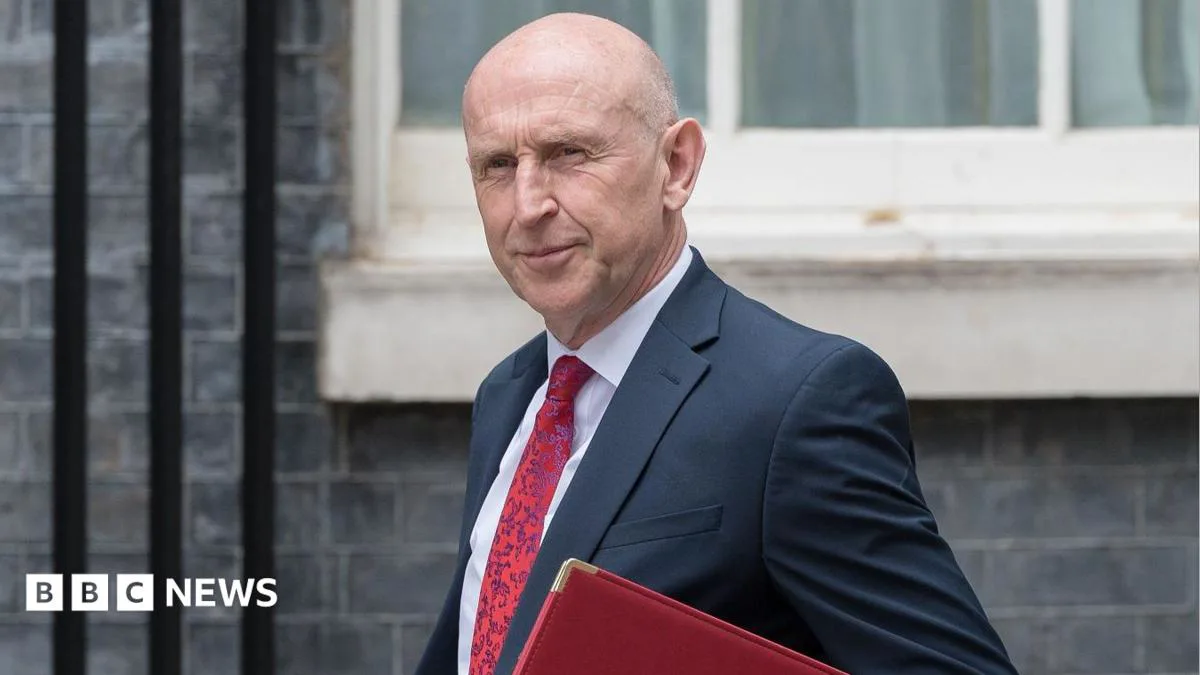
The United Kingdom's public sector net borrowing (excluding public sector banks) reached £1.8 billion in July, exceeding market expectations and highlighting the significant economic challenges facing new Chancellor John Healey as he prepares for his inaugural Budget on October 28. This unexpected deficit in a month typically buoyed by self-assessment income tax receipts underscores the complexities in the government's efforts to meet its fiscal targets.
According to the Office for National Statistics (ONS), July 2026 borrowing was £0.7 billion (68.7%) higher than in July 2025. This increase primarily stemmed from spending growth outpacing the rise in receipts, despite strong self-assessment income tax revenues. City economists had anticipated a zero shortfall or a £500 million surplus for the month, while the Office for Budget Responsibility (OBR) had forecast a £500 million surplus. The actual £1.8 billion deficit, however, was £2.3 billion above the OBR's forecast. Self-assessment income tax receipts in July 2026 amounted to £17.1 billion, an increase of £1.7 billion compared to the same month last year.
For the financial year to July 2026, cumulative borrowing stood at £56.7 billion. While this figure is £6.0 billion lower than the same period last year, it remains £2.3 billion above the OBR's forecast. The total public debt is currently just under £3 trillion, representing 94.1% of gross domestic product (GDP). This substantial debt pile implies that even minor fluctuations in interest rates can significantly increase the government's debt servicing costs.
Chancellor John Healey has consistently emphasized the government's commitment to meeting its fiscal rules. However, the July borrowing figures underscore the difficulty of adhering to this pledge. Recent volatility in global bond markets, influenced by a sell-off in the United States and the impact of the Iran war, has pushed up UK government bond yields, thereby increasing borrowing costs. This trend exacerbates the government's debt servicing burden, which has already surpassed £100 billion annually since 2022.
Analysts suggest that the fiscal headroom (buffer against fiscal rules) of £23.6 billion, outlined by Rachel Reeves in her spring statement in March, could be significantly eroded by higher inflation, slower growth, and rising bond yields. Experts like Martin Beck, chief economist at WPI Strategy, note that ten-year gilt yields above 5% reflect energy-related inflation concerns, which will gradually translate into a larger debt-interest bill as existing debt is refinanced. Healey faces pressure to potentially loosen inherited spending plans and fulfill unfunded commitments, such as increased defense spending, indicating that difficult decisions lie ahead of the Budget.
💸 Ready to act on this news?
You need a brokerage account to invest. Compare 30+ trusted brokers in seconds — zero commission options available.
Comments (0)
No comments yet. Be the first to comment!