

U.S. energy exports hit record highs amid Hormuz Strait conflict
EIA data show U.S. crude and product exports reached a record 12.88 million bpd last week as Strait of Hormuz disruptions push global buyers toward U.S. supplies.
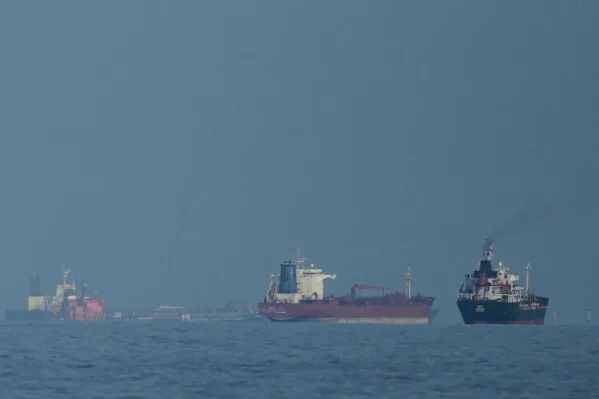
U.S. exports of crude oil and petroleum products surged to a record 12.88 million barrels per day in the week ended April 17, driven by buyers in Europe and Asia seeking alternatives after shipping through the Strait of Hormuz was constrained. The figure comes from the U.S. Energy Information Administration (EIA) weekly report.
The EIA noted that LNG facilities and refined product shipments were operating at near-peak levels, and that U.S. Gulf Coast throughput is approaching physical capacity limits, which could cap further export growth until new terminals and expansions come online. Disruptions at Gulf loading points and damaged facilities elsewhere in the Middle East have accelerated demand for U.S. barrels and refined fuels.
Weekly inventory movements reflected the export surge: U.S. commercial crude stocks rose modestly while gasoline and distillate inventories posted larger-than-expected draws. Those stock draws, together with the export record, have supported recent upward moves in Brent and WTI prices amid elevated geopolitical risk. Reuters reporting highlights the price sensitivity to supply disruptions in the Persian Gulf.
In the medium term, U.S. Gulf Coast capacity constraints and refinery technical differences in Asia — many refineries are optimized for denser Middle Eastern crudes — mean that converting wartime demand into a lasting shift toward U.S. supply will be challenging and capital-intensive. New export capacity currently under construction is expected to relieve some bottlenecks over the next 18–24 months, but near-term logistics and shipping availability will remain key variables.
Market analysts say the EIA’s numbers confirm a short-term reallocation of global flows toward the United States, but they caution that persistent infrastructure, blending and refinery-compatibility issues will determine whether the U.S. can sustain higher export volumes once Hormuz disruptions ease. Traders will watch upcoming inventory reports, terminal utilization rates and the operational status of Middle East export hubs for signals on price direction.
💸 Ready to act on this news?
You need a brokerage account to invest. Compare 30+ trusted brokers in seconds — zero commission options available.
Comments (0)
No comments yet. Be the first to comment!