

Trump Scales Back South Korea Drills Citing Costs and Kim Jong Un Relationship
US President Donald Trump ordered a reduction in joint military exercises with South Korea. The decision was attributed to the high costs of the drills, his "very good relationship" with North Korean leader Kim Jong Un, and Seoul's stance on Iran.
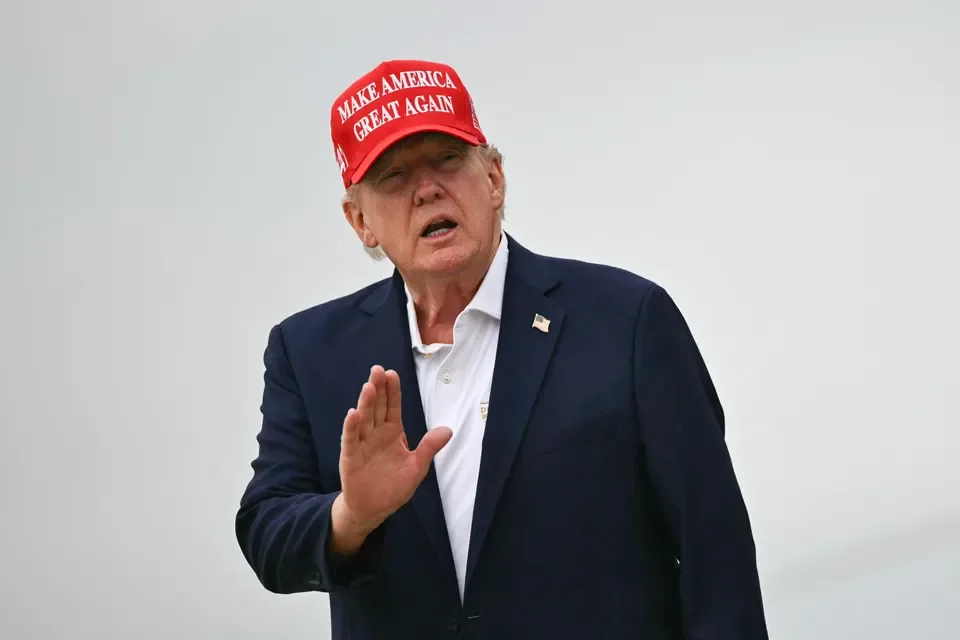
U.S. President Donald Trump announced he has directed a substantial reduction in joint military exercises with South Korea. Trump cited the high costs of the drills, his "very good relationship" with North Korean leader Kim Jong Un, and South Korea's refusal to support U.S. efforts regarding Iran's denuclearization as reasons for his decision. This development has sparked new discussions concerning U.S. security commitments and alliances in the Asia-Pacific region.
President Trump stated on his Truth Social platform that he was "not happy" with the U.S. participation in these exercises. The "Ulchi Freedom Shield" drills, scheduled to run from August 17 to August 27, were expected to involve approximately 18,000 South Korean troops. Trump indicated that it was too late to cancel the exercises entirely but instructed Defense Secretary Pete Hegseth to "substantially reduce" them. North Korea has consistently condemned these drills as a "rehearsal for an aggressive war" and threatened retaliatory action. Furthermore, Trump highlighted that he had asked the South Korean President if they would join U.S. initiatives for the denuclearization of Iran, to which he reportedly received a "No thanks!" response.
While the direct impact on financial markets remains limited, this decision reinforces a broader trend of Washington trimming its expenditure and engagement in secondary security theaters. According to InvestingLive, any perception of softening U.S. commitments on the Korean Peninsula could introduce a modest regional risk premium for Korean won assets and defense-related equities. However, the more immediate market driver continues to be the ongoing Iran standoff, with transit through the Strait of Hormuz halted and elevated gasoline prices. On the day of these developments, Asian stock markets generally showed positive momentum, largely supported by easing expectations of interest rate hikes by the U.S. Federal Reserve (Fed) and gains in technology stocks.
This decision reflects Trump's long-standing skepticism towards large-scale military exercises and his emphasis on personal diplomacy with North Korean leader Kim Jong Un. It should also be viewed within a broader strategic context, where the U.S. administration is focusing its resources on the Iran conflict and expecting allies to assume greater responsibility. This development raises fresh questions about the future scale of the U.S. military presence and exercises in the region, as well as the structure of the U.S.-South Korea alliance.
Analysts caution that reducing the exercises could weaken deterrence against potential conflicts in Asia and damage alliance coordination. Some experts argue that the cost savings are marginal, while the diplomatic benefits are questionable. This decision introduces another variable into Seoul's pursuit of a more permanent peace arrangement with Pyongyang. Markets in Seoul and the broader region will closely monitor for further details from the Pentagon regarding the scope and timing of the reduced drills.
💸 Ready to act on this news?
You need a brokerage account to invest. Compare 30+ trusted brokers in seconds — zero commission options available.
Comments (0)
No comments yet. Be the first to comment!