

Trump's Second Summit With Xi Raises Doubts on Taiwan Arms Sale
At the May 14–15, 2026 summit Trump said he discussed Taiwan arms sales with Xi and will decide soon; a pending ~$14bn package remains unresolved, unsettling markets.
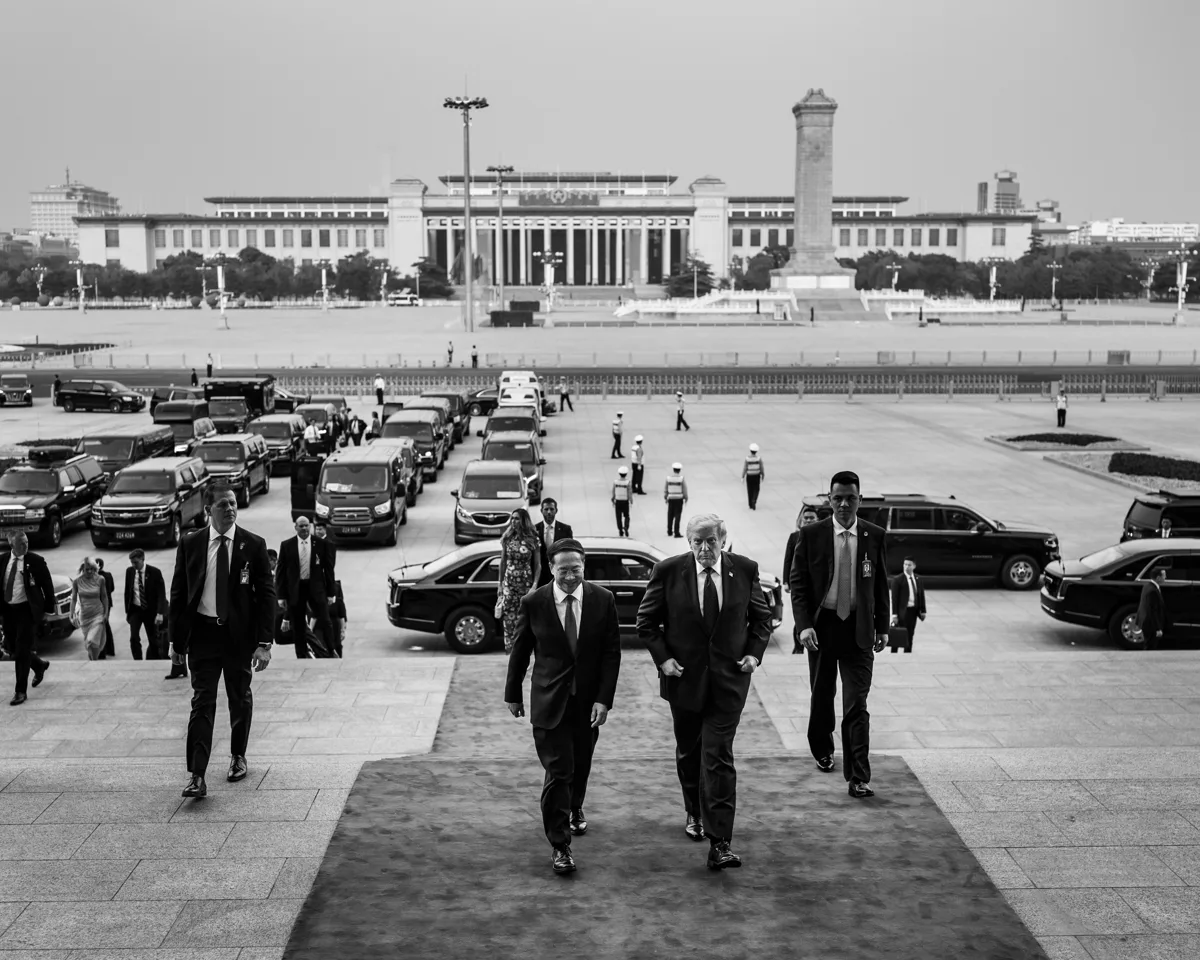
U.S. President Donald Trump said after his May 14–15, 2026 meetings with Chinese President Xi Jinping that he discussed U.S. arms sales to Taiwan and would make a decision “soon,” but he did not commit to proceeding—fueling fresh uncertainty over Washington’s policy toward the island.
Officials and media reports indicate a multibillion‑dollar package—widely reported at roughly $14 billion—has been awaiting presidential approval after prior notifications to Congress; Trump’s remark that he discussed the issue with Xi and his refusal to answer whether the U.S. would defend Taiwan if attacked intensified concern among U.S. lawmakers and Taipei officials. The exact composition of the package has been described in press reports as including advanced air and missile defense systems and interceptors, though final details hinge on a formal White House decision.
Markets reacted to the summit with mixed signals: some investors welcomed signs of easing bilateral tensions that could benefit trade‑exposed tech companies, while others flagged renewed geopolitical risk premium for Taiwan‑centric supply chains. U.S. futures and Asian equities showed cautious moves as traders weighed potential impacts on semiconductor supply and cross‑border technology flows; names with heavy China exposure were particularly sensitive to headlines from the visit.
In a broader geopolitical context, Xi’s warnings about mishandling Taiwan underscored Beijing’s sensitivity to the issue and suggested both leaders prioritized stabilizing ties amid other global crises, including the Iran war and trade disputes. For investors, the summit highlighted how diplomatic engagement can quickly alter perceived policy risk and therefore asset allocation decisions in sectors tied to global trade and defense.
Analysts say the near‑term outlook hinges on a formal White House notification on the pending arms sale and any congressional responses; a move to delay or scale back approvals would likely prompt bipartisan pushback in Washington and increase regional risk premia. Traders and portfolio managers are advised to monitor official announcements, Congressional correspondence, and on‑the‑ground signals from Taipei and Beijing to adjust exposure to defense contractors, semiconductor suppliers and China‑linked technology stocks.
Related Symbols
💸 Ready to act on this news?
You need a brokerage account to invest. Compare 30+ trusted brokers in seconds — zero commission options available.
Comments (0)
No comments yet. Be the first to comment!