

Trump: Prefers Iran Deal, Military Option Remains on Table
U.S. President Donald Trump prefers a diplomatic deal with Iran, but warned military action remains an option if talks fail. He emphasized that Tehran will not be allowed to acquire nuclear weapons.
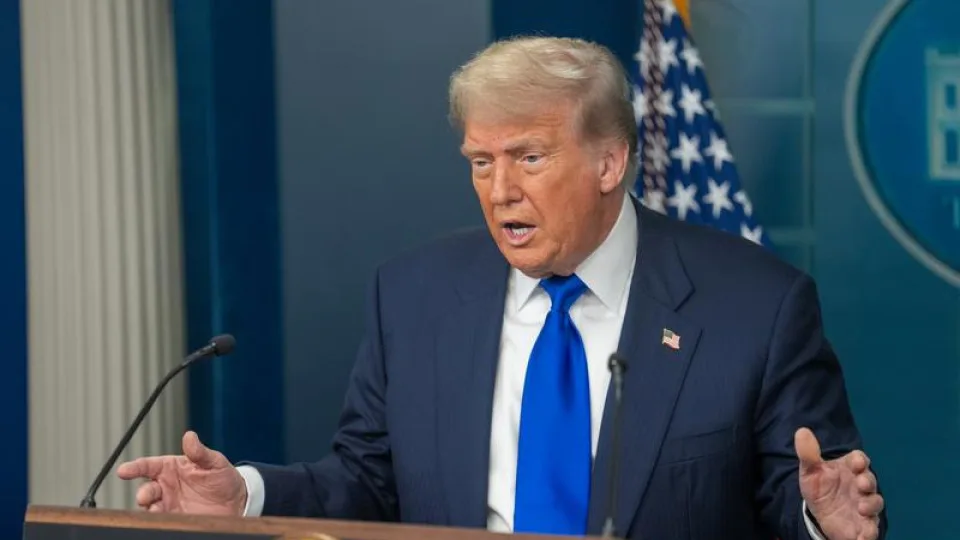
U.S. President Donald Trump has articulated a preference for reaching a diplomatic agreement with Iran, while simultaneously making it clear that military force remains an option should diplomacy fail. Speaking at an event in Las Vegas, Trump stated, "I'd rather make a deal because I don't want to kill people." This statement once again highlights the dual nature of the tensions between the two nations, encompassing both negotiation and the potential for military intervention.
Trump claimed that his administration had been prepared to launch the "biggest attack since World War II," but paused those plans after Iranian officials allegedly requested talks. He recounted, "They called me and they said, 'Please don't do it. Let's talk.'" However, Trump also noted that Iran subsequently denied making such a request, despite ongoing discussions. Washington and Tehran had signed a framework agreement on June 18 and initiated negotiations towards a final deal, but these talks reportedly stalled over disagreements regarding guarantees for security and freedom of navigation through the Strait of Hormuz. Tensions escalated last month following U.S. strikes inside Iran and Tehran's retaliation against what it described as U.S. military facilities in several Arab countries.
The impact of these developments on global markets has been particularly evident in oil prices. Trump predicted that oil and gasoline prices would drop sharply once the current standoff with Iran is resolved. Brent crude, the global oil benchmark, has already seen a decline of over 8% from its recent high, settling around $80 per barrel. Concerns over the security of navigation in the Strait of Hormuz continue to exert pressure on energy supply chains, with expectations of market relief if de-escalation occurs.
The ongoing tensions between the U.S. and Iran have long revolved around Tehran's nuclear program and its regional influence. Washington has consistently aimed to prevent Iran from acquiring nuclear weapons, while Tehran maintains its program is for peaceful purposes. Furthermore, the Strait of Hormuz, a critical waterway for a significant portion of the world's oil trade, remains a key geopolitical risk factor for global energy security and maritime operations.
Analysts and market observers are closely monitoring the trajectory of U.S.-Iran negotiations. Trump indicated that "very deep talks" are underway with Iran and that he agreed to halt strikes conditional on a rapid deal. Nevertheless, intelligence reports suggesting Iran has reconstituted and increased its military capabilities, coupled with a palpable lack of trust between the two sides, indicate a challenging diplomatic path ahead. The success of diplomacy in the coming period and its subsequent impact on global energy markets and geopolitical risks will remain a central focus for investors.
💸 Ready to act on this news?
You need a brokerage account to invest. Compare 30+ trusted brokers in seconds — zero commission options available.
Comments (0)
No comments yet. Be the first to comment!