

Trump Pauses New Tariffs on Canada for Three Days, Citing Deal Close
U.S. President Donald Trump announced a three-day pause on new 50% tariffs against Canada. The decision was made as the two nations are reportedly finalizing documents for a trade deal.
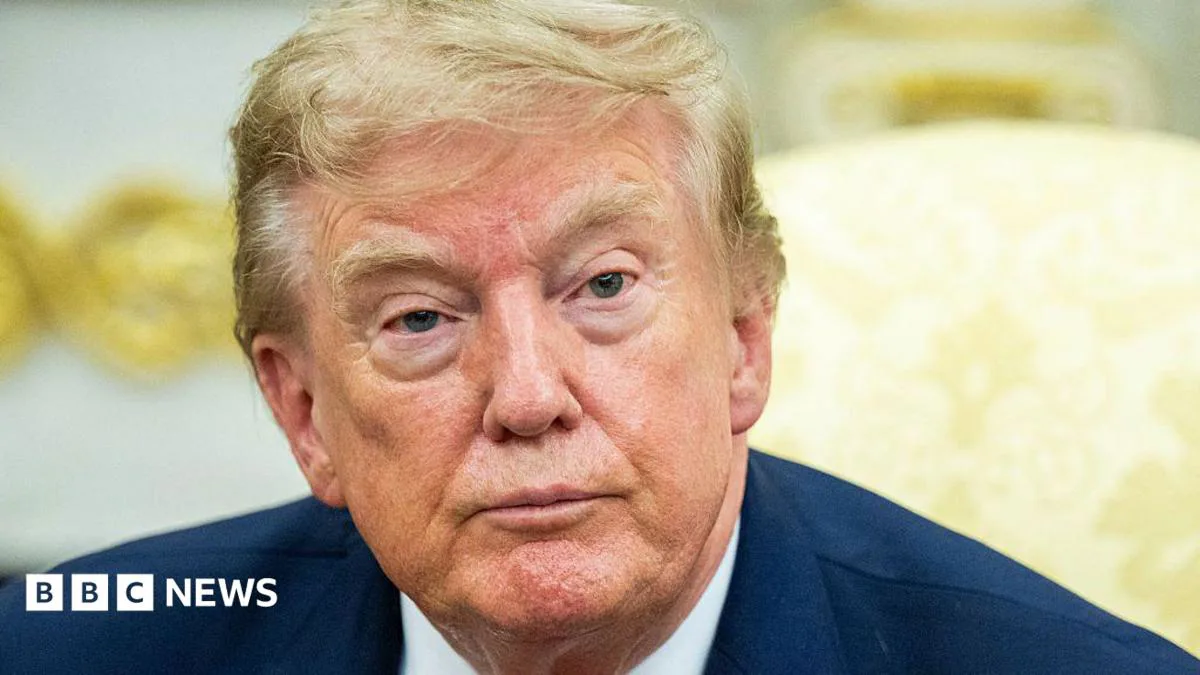
U.S. President Donald Trump has announced a three-day postponement of new 50% tariffs planned for a range of Canadian goods, valued between approximately $20 billion and $28 billion. This unexpected move follows intense negotiations between the two countries, with Trump stating that a trade deal is close to being finalized. Canadian officials have also confirmed substantial progress, though they emphasized that important work still needs to be done to complete the agreement.
The tariffs, set to be imposed under Section 338 of the U.S. Tariff Act of 1930, were a response to alleged discriminatory practices by Canada against U.S. exports, according to the U.S. Trade Representative (USTR). These levies encompassed a broad spectrum of products, including hockey sticks, honey, wine, cement, alcohol, automobiles, and dairy products. Negotiations intensified just hours before the tariff threat was scheduled to take effect, with Canadian Prime Minister Mark Carney engaging in multiple phone calls with President Trump. Trump's announcement also controversially referenced the potential revival of the Keystone XL Pipeline project.
Had they been implemented, these tariffs held the potential to trigger job losses and business closures in vulnerable Canadian sectors. Canada had explicitly threatened retaliatory measures against any new tariffs, which would have risked a significant escalation in the massive $880 billion bilateral trade relationship between the two nations. Market experts had warned that such trade disputes could create supply chain uncertainty and negatively impact investor confidence.
The development occurred ahead of the six-year review of the United States-Mexico-Canada Agreement (USMCA), scheduled for 2026. The Trump administration had been attempting to leverage these new tariffs on Canada as a tool to extract further concessions from Canada within the broader USMCA negotiations. Canada, in turn, was seeking not only the removal of the new Section 338 tariffs but also relief from existing Section 232 tariffs on industrial products such as steel, aluminum, lumber, and automobiles.
Analysts and market observers suggest that the three-day pause provides critical time for the parties to finalize the agreement. Reaching a comprehensive trade deal could bring stability to North American trade relations and positively influence the future trajectory of the USMCA. However, Prime Minister Carney's cautious remarks indicate that several key details still require resolution. The potential for ongoing trade conflicts remains a significant source of global economic uncertainty, and investors will continue to closely monitor the long-term implications of such developments on markets.
💸 Ready to act on this news?
You need a brokerage account to invest. Compare 30+ trusted brokers in seconds — zero commission options available.
Comments (0)
No comments yet. Be the first to comment!