

Trump Administration Imposes New Tariffs on Over 80 Countries
The U.S. administration is implementing new tariffs ranging from 10% to 12.5% on over 80 trading partners, replacing expiring global duties. This move, citing "forced labor" concerns, marks the latest attempt to pursue aggressive trade policies despite Supreme Court rulings.
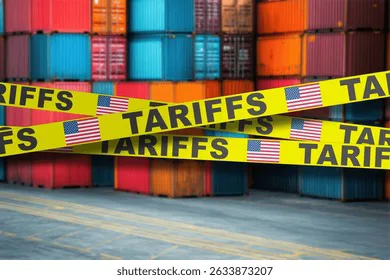
The United States (U.S.) administration has implemented a new wave of tariffs targeting over 80 trading partners, effective Friday, July 24, 2026. These new duties, ranging from 10% to 12.5%, replace a temporary 10% global tariff that expired on Friday morning. The primary justification for these new levies is the alleged failure of these trading partners to adequately enforce bans on goods produced with "forced labor." The announcement was made by the Office of the U.S. Trade Representative (USTR), stating that this action aims to correct human rights abuses and distortive trade practices.
The newly imposed tariffs fall under Section 301 of the Trade Act of 1974 and apply to 60 specific countries. The tariff rates are tiered: a 10% duty will be applied to countries that have committed to adopting and effectively enforcing forced labor import prohibitions. This category includes major trading partners such as Canada, the European Union (EU) member states, India, Mexico, and the United Kingdom. Countries that have failed to adopt or enforce a forced labor import prohibition will face a higher 12.5% tariff. This group includes nations like China, Australia, Japan, South Korea, and Vietnam. U.S. Trade Representative Jamieson Greer stated, “The United States has had a forced labor import ban for nearly a century, and rigorously enforces it; it's well past time for our trading partners to do the same.” Exemptions from these new tariffs include oil and gas, certain natural resources, goods covered under the U.S.-Mexico-Canada Agreement (USMCA), and products already subject to separate national-security tariffs, such as steel and automobiles. Canada immediately reacted to the decision, asserting that it should not be targeted as it is a leader in combating the import of goods produced with forced labor.
These new tariffs are expected to exert significant pressure on global trade volumes, supply chains, and international commercial relations. The increase in import costs is likely to be passed on to consumers through higher prices, while also potentially impacting the profit margins of companies engaged in international trade. Markets typically react to such protectionist trade policies with uncertainty, and there could be downward pressure on global economic growth forecasts. The focus of the markets will now be on how major trading nations respond to this decision with potential retaliatory measures.
This move by the Trump administration follows a U.S. Supreme Court ruling in February 2026 that declared many of the administration's earlier “Liberation Day” tariffs illegal. The Supreme Court had ruled that the President lacked the authority to impose tariffs under the International Emergency Economic Powers Act (IEEPA). Following that decision, the Trump administration had imposed temporary 10% global tariffs under Section 122 of the Trade Act of 1974, which expired on Friday. The current Section 301 tariffs demonstrate the administration's resolve to continue aggressive trade policies despite criticisms of bypassing Congress and exceeding presidential authority. These policies are framed as aiming to boost American manufacturing and create domestic jobs.
Financial analysts and market experts suggest that these new tariffs are highly likely to face fresh legal challenges in the courts. Experts like Alan Wolff of the Peterson Institute for International Economics anticipate that these tariffs could also be overturned by the Supreme Court. Furthermore, there are concerns about potential retaliatory measures from U.S. trading partners, which could lead to further fragmentation of the global trading system. The USTR has also initiated new Section 301 investigations into 15 additional countries and the EU over alleged “unfair manufacturing practices.” This indicates that international trade tensions may continue to escalate in the foreseeable future, maintaining uncertainty surrounding global trade policies.
💸 Ready to act on this news?
You need a brokerage account to invest. Compare 30+ trusted brokers in seconds — zero commission options available.
Comments (0)
No comments yet. Be the first to comment!