

Tiny Homes in England: Addressing Housing Crisis and Seeking Financial Freedom
The rising housing prices and living costs in England are accelerating the “tiny home” trend. These compact living spaces offer an affordable alternative while promoting a sustainable and minimalist lifestyle.
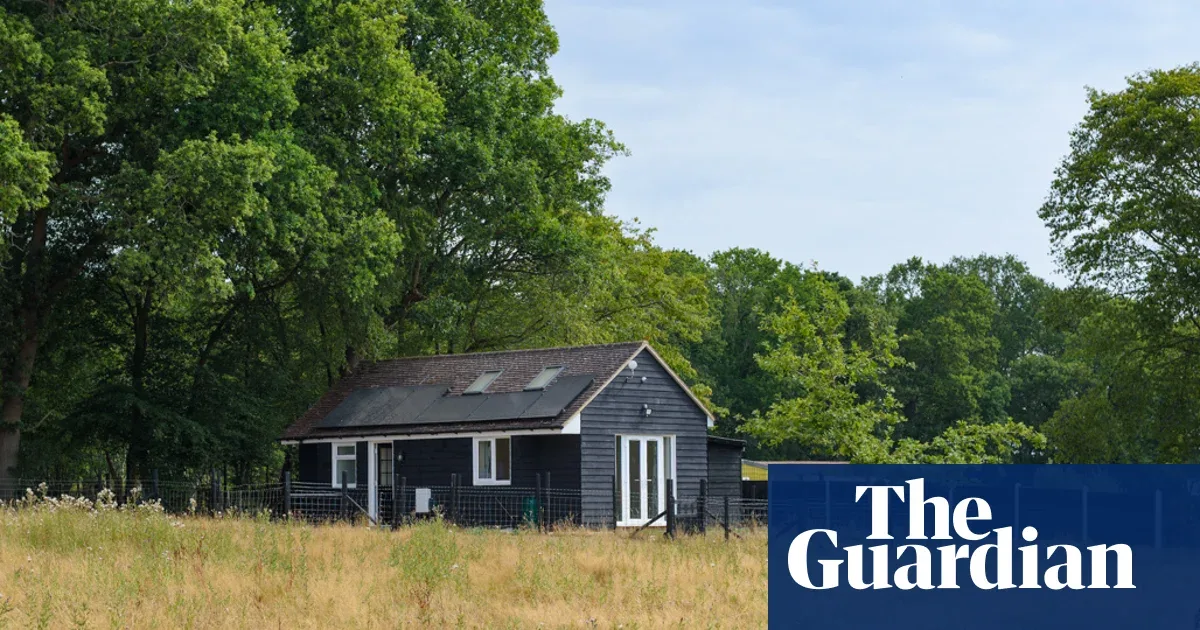
The escalating housing prices and increasing cost of living in England are making the dream of traditional homeownership unattainable for many, leading to a surge in interest in the “tiny home” movement. These small and compact living spaces are emerging as both an economic and sustainable solution to the country's deepening housing crisis.
In recent years, average house prices and the required deposits for first-time buyers have reached record highs, pushing many, especially younger generations and individuals with limited incomes, to seek alternative housing solutions. Tiny homes, typically ranging from 100 to 500 square feet, offer significantly lower purchase and operational costs compared to conventional homes. Research indicates that living in a tiny home could save an average person between £780 and £1,057 per month. [7, 8, 12]
The global tiny homes market is experiencing substantial growth, driven by housing affordability crises and preferences for sustainable living. The market is projected to expand at a compound annual growth rate (CAGR) of 9% from 2026 to 2034, with demand observed in both mobile and stationary tiny home segments. However, traditional mortgage lenders are often hesitant to provide financing for such unconventional homes, compelling buyers to rely on personal loans, RV loans, or cash savings. [6, 11]
England's housing crisis extends beyond just high prices, encompassing broader issues such as supply shortages and the environmental impact of intense urbanization. In this context, governments and local authorities are increasingly incorporating tiny home communities into formal housing plans to offer affordable housing options and support environmental sustainability. [7, 11, 13]
Industry analysts and experts suggest that well-designed and properly planned tiny homes can successfully deliver a balance of comfort, sustainability, and affordability that larger traditional homes often cannot. Moving forward, as environmental consciousness grows and living costs continue to rise, the tiny home movement is expected to strengthen further in the UK housing market, solidifying its position as a significant alternative. [10]
💸 Ready to act on this news?
You need a brokerage account to invest. Compare 30+ trusted brokers in seconds — zero commission options available.
Comments (0)
No comments yet. Be the first to comment!