

Taxi Fare Hike Request: Rising Costs Strain Global Transportation Sector
Taxi drivers in the UK are seeking an 8% fare increase to counter surging fuel and operating costs. This development highlights the widespread impact of global inflationary pressures and high energy prices on the transportation industry.
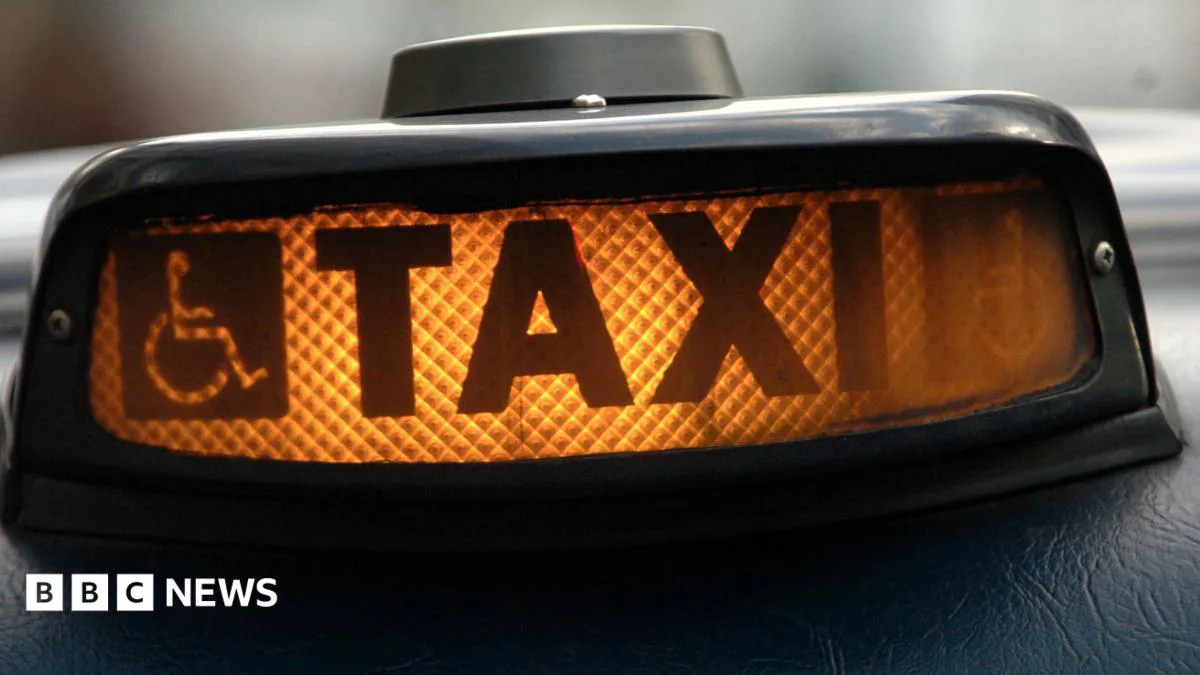
Rising global inflation and elevated energy prices have prompted taxi drivers in North Tyneside, UK, to demand an 8% increase in fares. This request underscores the growing challenge faced by local authorities worldwide in balancing the livelihoods of drivers with maintaining affordable transportation for residents.
The North Tyneside Hackney Carriage Association (NTHCA) has urged the council to approve the fare adjustment. The association points to super diesel prices reaching an 18-month high of 194 pence per litre, coupled with a 20% increase in replacement vehicle costs, 10% in tire costs, and 16% in vehicle parts, as key factors driving up operational expenses. These escalating costs are severely compressing drivers' profit margins, raising concerns about the sustainability of the sector.
This trend is not isolated to the UK; the taxi industry globally is grappling with similar pressures. For instance, cities like Chicago and Arlington in the United States have also seen calls for taxi fare increases. In South Africa, rising fuel prices are noted to be exacerbating taxi fares and overall inflation, adding strain to household budgets. Similarly, major Turkish cities such as Istanbul, Izmir, and Ankara have either implemented or are considering fare adjustments in response to fuel price hikes.
Volatility in energy markets and ongoing geopolitical tensions continue to push global oil prices higher. Developments such as Brent crude nearing $94 per barrel directly translate to increased diesel and petrol prices, which constitute one of the largest expenditure items for taxi operators. This ultimately contributes to general inflation through passed-on price increases, negatively impacting household disposable incomes.
Analysts and market observers anticipate continued volatility in fuel prices and persistent effects on transportation costs. In the long term, the taxi sector may need to explore fuel-efficient solutions, such as transitioning to hybrid or electric vehicles, or develop new business models to ensure sustainable profitability against rising costs. Otherwise, maintaining the attractiveness of taxi services for drivers and their accessibility for consumers will become increasingly difficult.
💸 Ready to act on this news?
You need a brokerage account to invest. Compare 30+ trusted brokers in seconds — zero commission options available.
Comments (0)
No comments yet. Be the first to comment!