

Target's Strong Comeback: Profitability and Shopper Traffic Surge
Retail giant Target announced robust financial results for the second quarter, surpassing market expectations. The company saw a significant increase in profitability and customer traffic, partly driven by tariff refunds.
U.S. retail behemoth Target (NYSE: TGT) has captured market attention with its latest financial report, revealing a stronger-than-expected performance in the second quarter. The company reported a 5.3% increase in net sales to $26.54 billion, while its earnings per share (EPS) more than doubled to $4.11 from $2.05 in the prior year. This substantial growth was significantly bolstered by approximately $994 million in tariff refunds, which contributed $1.65 to the EPS.
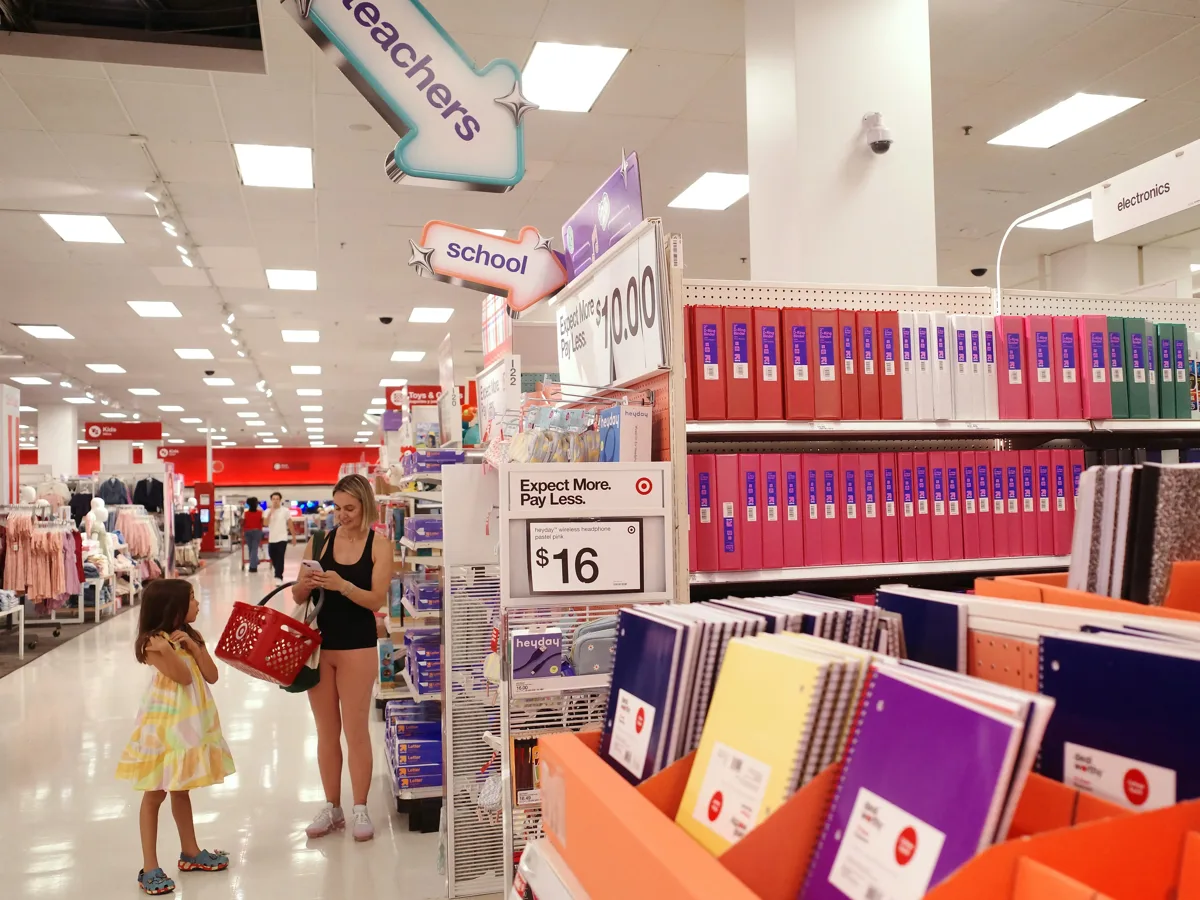
The foundation of Target's success lies in a 3.8% rise in comparable sales and a notable 3.6% increase in customer traffic across both its physical stores and digital channels. Digital comparable sales, in particular, surged by 8.7%, with same-day delivery services experiencing growth exceeding 25%. For the crucial back-to-school shopping season, Target strategically lowered prices on over 10,000 items and maintained 95% of its assortment at or below last year's prices, effectively attracting value-conscious consumers.
The company's gross margin rate expanded to 33.7% from 29.0% a year ago, while the operating margin rate improved to 9.6% from 5.2%. These margin enhancements were significantly influenced by the tariff refunds. Under the leadership of new CEO Michael Fiddelke, who took the helm in February, the initial positive impacts of the company's $6 billion transformation plan, focusing on pricing, merchandise assortment, and store experience, are beginning to materialize.
Following these encouraging results, Target's stock initially reversed premarket losses to gain over 5%, outperforming the S&P 500 Consumer Staples index year-to-date. However, analysts maintain cautious optimism regarding the sustainability of this growth, given that a significant portion of the profits stemmed from one-time tariff refunds. The company continues to navigate intense competition from major rivals like Walmart (NYSE: WMT) and Amazon (NASDAQ: AMZN), striving to maintain customer loyalty and expand its market share.
In a broader macroeconomic context, Target's performance is noteworthy at a time when U.S. consumers are tightening their belts due to inflation and elevated fuel prices. The prevailing value-driven shopping trend underscores the critical importance of retailers' pricing strategies. With an EY-Parthenon survey indicating that over half of households saved no money in June, Target's focus on affordable products is seen as a strategic imperative.
Target's management has revised its full-year outlook upward, now expecting net sales growth to be around 5% and EPS to fall within the range of $9.90 to $10.90. The company also affirmed its commitment to infrastructure investments, including store remodels and new store openings. Analysts will closely monitor whether Target's ongoing turnaround efforts and strategic investments will continue to expand its customer base and bolster profitability in the upcoming periods.
Related Symbols
💸 Ready to act on this news?
You need a brokerage account to invest. Compare 30+ trusted brokers in seconds — zero commission options available.
Comments (0)
No comments yet. Be the first to comment!