

Strait of Hormuz: Trump Says Blockade Is Costing Iran $500M a Day
Trump claimed the U.S. blockade is costing Iran $500 million daily and said Tehran’s threats to close the Strait of Hormuz are meant to 'save face'.
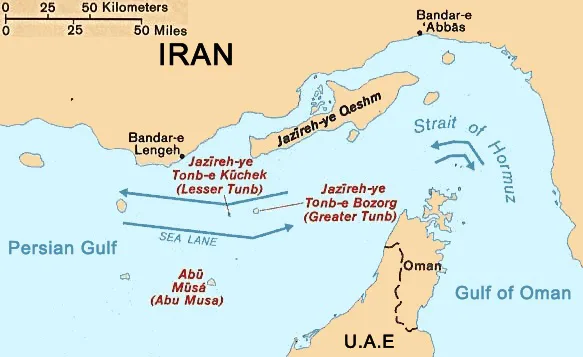
U.S. President Donald Trump said on his Truth Social platform that the U.S. naval blockade of Iranian ports is inflicting roughly $500 million in losses on Iran each day and argued that Tehran’s public threats to close the Strait of Hormuz are largely posturing to ‘‘save face.’’ He added that the blockade will remain in place until a negotiated agreement is reached.
Trump’s comments came hours after Iran announced the Strait of Hormuz was being reopened to commercial traffic amid a tentative ceasefire, a move that Washington greeted with caution while insisting U.S. restrictions on Iranian shipping would continue. Tehran and Washington have publicly traded claims about control and access to the choke point as mediators press for a lasting settlement.
Markets reacted quickly: following Iran’s foreign ministry announcement that passage was ‘‘completely open’’ for commercial vessels, U.S. benchmark crude fell about 9.4% to settle near $82.59 a barrel and Brent fell roughly 9.1% to around $90.38, as traders priced in a reduced risk of a sustained supply shock. Equity sectors sensitive to fuel costs, including airlines and shipping, rallied on the news.
The wider economic picture underlines the Strait’s strategic importance. Around one-fifth of seaborne oil volumes transit Hormuz, so disruptions can quickly ripple through global supply chains, insurance markets and freight rates. A continued naval blockade, paired with sanctions and disrupted banking flows, could sharply curtail Iran’s export revenue and force customers and traders to seek alternative logistics arrangements.
Analysts say the immediate outlook depends on diplomacy and operational reality at sea: if the ceasefire and talks hold and commercial traffic normalizes, price volatility should subside; if the blockade persists or Iran again restricts passage, upward pressure on oil and related commodity prices may return. Market participants will monitor shipping traffic data, official statements about navigation rights, and OPEC responses as primary signals for positioning.

Related Symbols
💸 Ready to act on this news?
You need a brokerage account to invest. Compare 30+ trusted brokers in seconds — zero commission options available.
Comments (0)
No comments yet. Be the first to comment!