

Strait of Hormuz: Trump Pauses 'Project Freedom' as Iran, China Meet
Trump said he will pause Project Freedom briefly while Iran and China engage in talks; the U.S. blockade of Iranian ports remains, leaving energy markets jittery.
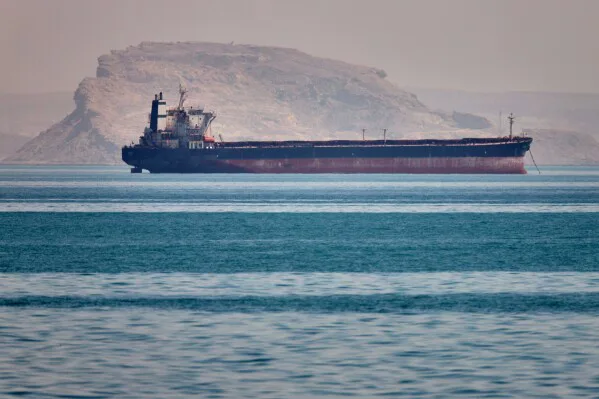
U.S. President Donald Trump announced a temporary pause to “Project Freedom,” the operation intended to escort commercial vessels through the Strait of Hormuz, while Iran’s foreign minister Abbas Araghchi met Chinese counterpart Wang Yi in Beijing—developments that came alongside a U.S. declaration that the naval blockade of Iranian ports will remain in force.
The White House framed the pause as the result of requests from Pakistan and other mediators and cited “great progress” in negotiations with Iranian representatives; officials did not provide a firm timetable for the suspension. Tehran and Beijing have not released extensive details about Araghchi’s meetings, but the visit represents a notable diplomatic channel amid ongoing ceasefire talks.
Markets reacted quickly: Reuters reported that U.S. crude futures fell about $2.30 after the announcement, dipping below the $100-per-barrel threshold, underscoring how fragile oil price sentiment remains while shipping through the strait is disrupted. The Strait of Hormuz normally carries roughly one-fifth of global energy supplies, amplifying any operational changes into price volatility.
The episode highlights the tight link between geopolitics and energy markets. Washington’s blockade policy, implemented in mid-April, and Tehran’s countermeasures have raised insurance and freight costs and constrained normal trade flows, prompting market participants to reprice risk premia. China’s diplomatic engagement with Iran adds a strategic dimension that traders and policymakers are watching closely for signals about supply normalization.
Analysts caution that a temporary pause does not equal a resolution; sustained de-escalation or a signed agreement could relieve immediate market stress, while any breakdown in talks would likely push prices and risk premiums higher. Key near-term indicators include concrete negotiation outcomes, operational details of the blockade, and whether China’s mediation yields tangible commitments from Tehran. Energy firms and shipping insurers are expected to monitor these developments and adjust exposure accordingly.

Related Symbols
💸 Ready to act on this news?
You need a brokerage account to invest. Compare 30+ trusted brokers in seconds — zero commission options available.
Comments (0)
No comments yet. Be the first to comment!