

Strait of Hormuz: 28 Vessels Transited in 24 Hours Under IRGC Control
Iran's IRGC navy said 28 tankers and commercial vessels transited the Strait of Hormuz in the past 24 hours under IRGC coordination and permission.
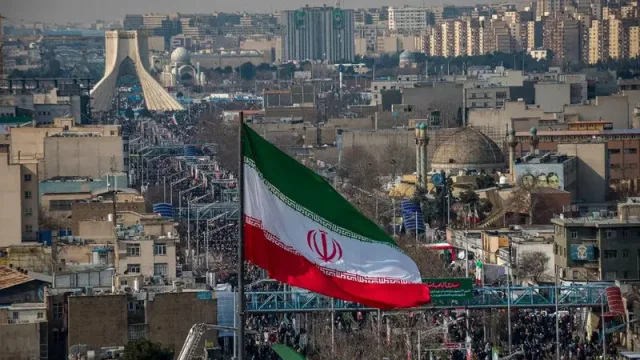
Iran's Islamic Revolutionary Guard Corps (IRGC) navy announced that 28 commercial vessels, including oil tankers and container ships, transited the Strait of Hormuz in the past 24 hours with the coordination and permission of IRGC naval forces. The statement was carried by Iranian state media and framed as managed, secure passage under IRGC oversight.
The IRGC said the transiting vessels underwent affiliation checks and coordination procedures before being allowed through. State outlets described the movements as part of a controlled corridor and noted the mix of tankers, container vessels and general cargo ships. Iranian sources have reported differing daily transit counts in recent weeks, reflecting operational tempo and reporting discrepancies.
Markets reacted to the reports: hopes of safer, managed passage through the chokepoint weighed on oil prices, with short-term declines in Brent and WTI futures recorded as traders priced in improving flows. Shipping-data providers and market analysts note that transit volumes remain far below pre-conflict levels, but any sustained increase in authorised transits reduces the supply risk premium in oil markets.
The announcement comes amid an extended period of Iranian maritime control and intermittent U.S. naval operations in the region. Control over the Strait of Hormuz directly affects global energy flows, marine insurance costs and rerouting decisions for commercial shipping. Recent diplomatic exchanges and limited operational openings have produced variable patterns of passage, underscoring the fragile balance between military control and commercial transit.
Analysts say near-term volatility is likely to persist. If IRGC-managed transits continue and broaden, the market risk premium on oil could ease further; conversely, any renewed kinetic activity would rapidly lift insurance costs and tighter physical market concerns. Traders and portfolio managers will monitor transit data, on‑the‑ground confirmations from ship-tracking services and statements from major maritime authorities to reassess supply risk and price trajectories.
Related Symbols
💸 Ready to act on this news?
You need a brokerage account to invest. Compare 30+ trusted brokers in seconds — zero commission options available.
Comments (0)
No comments yet. Be the first to comment!