

Starbucks' 'widely recyclable' plastic cup claim comes under scrutiny
A Beyond Plastics tracking study found that none of the maker’s ‘widely recyclable’ polypropylene cups placed in store bins reached recycling facilities, Reuters reports.
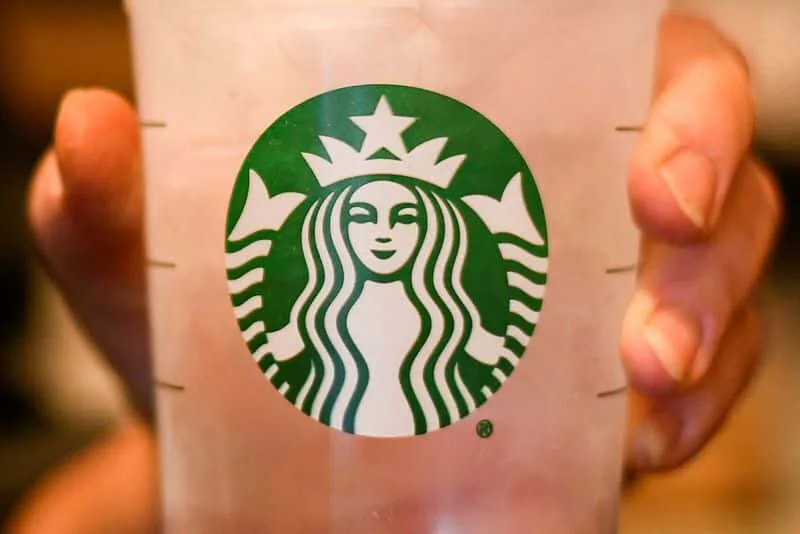
A national field study published by environmental group Beyond Plastics has raised questions about Starbucks’ recent claim that its single-use polypropylene (No.5) cold cups are “widely recyclable.” The investigation found that trackers placed in cups left in in-store recycling bins did not show the items arriving at recycling plants.
Beyond Plastics says it deployed 53 Bluetooth-enabled trackers between January and March 2026 at 35 Starbucks locations across nine U.S. states and Washington, D.C.; of the 36 trackers that returned usable data, none pinged from an actual recycling facility. According to the report, 16 cups ended up in landfills, nine at incineration facilities and eight at waste-transfer stations; three were last seen at materials recovery facilities that sort but do not themselves recycle the items. Starbucks has questioned the study’s methodology.
While the report does not immediately translate into a market shock, it introduces reputational and ESG-related risks for Starbucks that investors monitor. The company previously announced in February 2026 that its polypropylene cups met a “widely recyclable” designation from How2Recycle, reflecting increased curbside access, and has set targets to make packaging reusable or recyclable by 2030. Shortcomings between corporate claims and on-the-ground waste handling could weigh on ESG assessments and investor sentiment if not addressed.
Industry groups have cautioned that the trackers themselves could affect sorting processes and that polypropylene recycling capacity in the U.S. remains limited. Beyond Plastics also reports that several Starbucks stores either offered no recycling or labeled materials as landfill-bound, highlighting a gap between national labeling/access metrics and store-level realities. The broader context includes low overall U.S. plastic recycling rates and logistical costs associated with low-value plastics like polypropylene.
For market watchers and corporate governance analysts, the coming days will be important: Starbucks’ public response, any operational changes at store or supply-chain level, and potential regulatory or investor follow-up could determine whether the episode has limited reputational impact or prompts more substantial strategic shifts. Clear, verifiable steps to close the gap between labeling claims and actual recycling outcomes would likely be needed to reassure stakeholders.
Related Symbols
💸 Ready to act on this news?
You need a brokerage account to invest. Compare 30+ trusted brokers in seconds — zero commission options available.
Comments (0)
No comments yet. Be the first to comment!