

Spirit Airlines Shuts Down After White House Bailout Falls Through
Spirit Airlines halted operations after a proposed $500m White House rescue failed; rival carriers offered limited-time 'rescue fares' to help stranded customers.
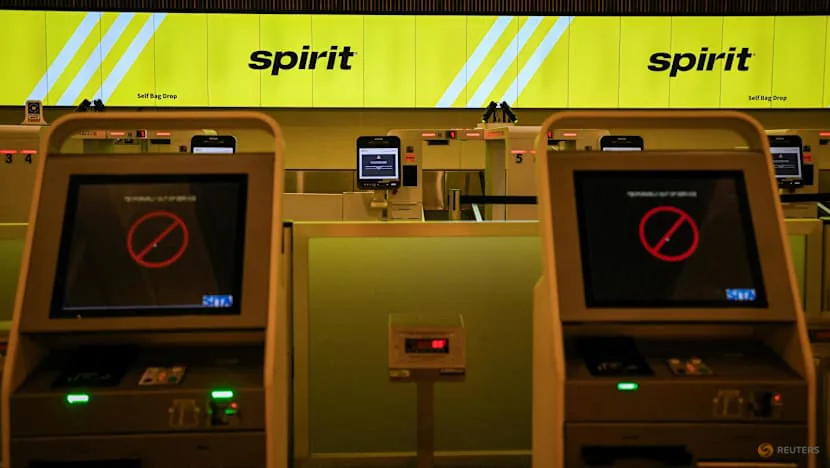
Spirit Airlines announced an immediate wind-down of operations after last-ditch talks with the White House and creditors failed to yield a rescue package. The carrier said all flights were canceled and customer service would not be available as it began an orderly cessation of services, affecting hundreds of thousands of booked passengers and thousands of employees.
The collapse followed the breakdown of negotiations over a proposed $500 million government-backed financing arrangement that reportedly would have given the U.S. government a significant equity stake. Sources and court filings indicate the deal stalled over the proposed ownership terms and creditor demands; the company had already been in Chapter 11 restructuring and was acutely exposed to rising jet fuel costs that undermined its exit projections.
Major U.S. carriers moved quickly to limit passenger disruption, rolling out temporary 'rescue fare' programs and capped prices to help travelers rebook. Airlines including American, United, Delta, JetBlue, Frontier and Southwest set specific short-term measures aimed at stranded Spirit customers while transportation officials worked to coordinate relief and route continuity. These measures should ease immediate logistical strain but may shift short-term capacity and pricing dynamics on affected routes.
From a market perspective, the shutdown highlights the vulnerability of ultra-low-cost carriers to commodity shocks: jet fuel prices surged amid geopolitical tensions tied to the Iran conflict, doubling assumptions used in Spirit’s restructuring plan and squeezing margins across the sector. The exit is likely to accelerate consolidation discussions and could prompt capacity reallocation that lifts fares where Spirit had been a price leader. Service providers and regional airports tied to Spirit's network may face revenue gaps.
Analysts expect near-term focus on customer refunds, creditor negotiations and workforce transitions, while investors will monitor bankruptcy estates and OTC equity volatility for residual value signals. In the medium term, regulatory scrutiny of any state-backed rescue proposals and the competitive fallout in domestic short-haul markets will shape pricing and route structures as carriers and policymakers respond to a market reshaped by higher fuel costs.

Related Symbols
💸 Ready to act on this news?
You need a brokerage account to invest. Compare 30+ trusted brokers in seconds — zero commission options available.
Comments (0)
No comments yet. Be the first to comment!