

SpaceX: How to Invest Before the IPO — 5 Critical Questions to Ask
SpaceX's potential IPO could be the largest ever. Before buying pre-IPO exposure via ETFs like XOVR, secondaries or SPVs, answer these five key questions.
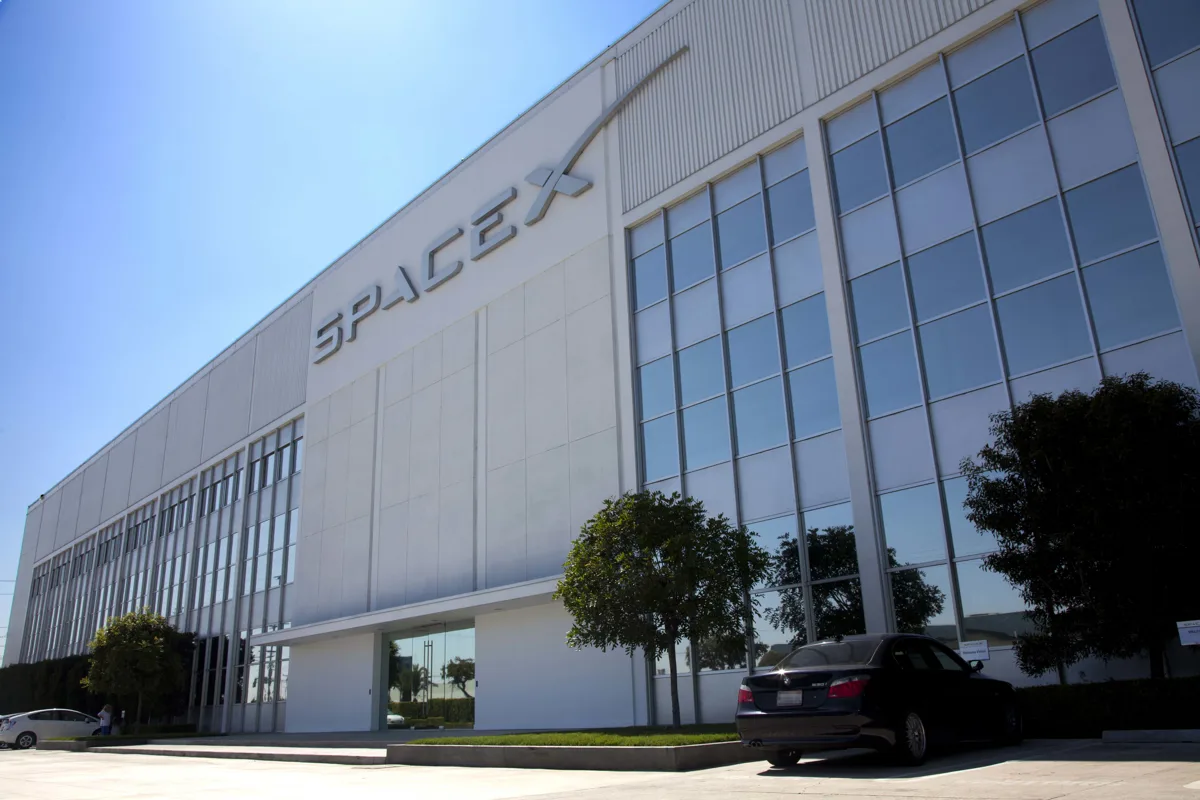
SpaceX’s confidential filing with the SEC and reports that it may target a June 2026 listing have intensified investor interest, with markets sizing up what could become one of the largest IPOs in history.
For investors seeking pre-IPO exposure, the main routes are exchange-traded funds (ETFs), closed-end and interval funds, secondary-market platforms that facilitate private transfers, and special-purpose vehicles (SPVs). Each structure differs materially in liquidity, fees, lock-up risk and how closely it tracks actual SpaceX shares; detailed industry coverage highlights these trade‑offs and ranks ETFs and open‑end mutual funds as the most accessible for retail investors.
The immediate market impact is already visible in funds and trusts that report SpaceX holdings: vehicles with disclosed SpaceX positions can experience price moves or NAV premium/discount dynamics that are independent of the underlying asset’s paper valuation. Investors should be wary that closed‑end funds may trade at significant premiums to net asset value (NAV), creating an additional layer of return risk even if the underlying stake appreciates.
Beyond mechanics, regulatory and governance issues are central. Reporting based on excerpts of SpaceX’s registration filing indicates the company intends to preserve founder control through super‑voting structures and other governance provisions, a configuration that has drawn scrutiny and raises questions about shareholder rights and long‑term governance outcomes. That context matters for anyone weighing pre‑IPO exposure.
Market commentators and advisers recommend investors first define their objective — liquidity, concentrated upside, or diversified exposure — then choose the structure that aligns with that goal while accounting for lock‑up windows, fees and access limits. For retail investors, daily‑liquid ETFs and open‑end funds usually offer the most flexibility; accredited investors considering secondaries must factor in potential six‑ to twelve‑month lock‑ups and transaction costs. Prudent sizing and a clear exit plan remain essential.
💸 Ready to act on this news?
You need a brokerage account to invest. Compare 30+ trusted brokers in seconds — zero commission options available.
Comments (0)
No comments yet. Be the first to comment!