

South Western Railway: One year after nationalisation — delivering?
Transport minister Lord Peter Hendy says rapid Arterio rollout proves reforms; however reliability and punctuality concerns continue to shadow SWR services.
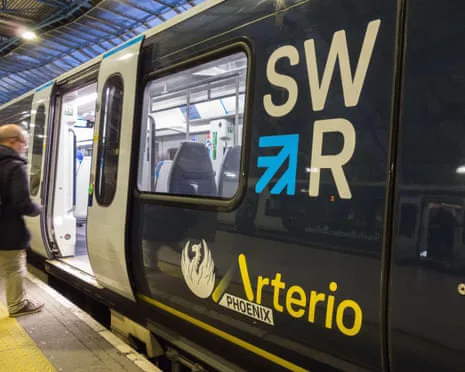
One year after South Western Railway (SWR) moved into public ownership, Rail Minister Lord Peter Hendy highlighted the rapid introduction of Arterio trains as evidence that the nationalisation reforms are producing tangible improvements for passengers. The GBR (Great British Railways)-branded Arterio unveiled at London Waterloo on 22 May 2026 features upgraded interiors, air conditioning and higher capacity.
The Department for Transport’s press release states SWR has brought a 45th Arterio into service and that 39 new trains entered operation since the operator’s transfer to public control, boosting suburban seat capacity into London Waterloo by around 27% during the morning peak. SWR aims to reach 50 Arterio diagrams in service by the summer and expects the full 90-unit Arterio fleet to be in service by early 2027, alongside a programme of signalling and infrastructure upgrades.
Despite capacity and comfort gains, questions remain about punctuality and the consistency of service. While official figures point to improved performance for publicly owned operators on some punctuality metrics, industry reporting and commuter feedback point to continuing operational challenges in specific corridors — from driver training roll-out to integration with legacy signalling systems — that could limit near-term reliability gains.
Politically and economically, the SWR case is being held up by ministers as a demonstration that bringing rail services into a unified public framework can cut bureaucratic delays and prioritise passengers over profit. Critics counter that the long-term success of nationalisation will depend on sustained capital investment, clear governance of GBR and independent verification of performance improvements. The rollout also touches wider supply-chain and regional employment considerations as new rolling stock and infrastructure projects proceed.
Market watchers and transport analysts say the next test for SWR will be whether capacity increases translate into consistent punctuality and lower cancellation rates across the network. Key indicators to watch in coming months include timetable refresh outcomes, completion timelines for signalling projects and driver recruitment targets — measurable milestones that will determine whether the early gains from the Arterio rollout amount to a durable step-change in service quality.
💸 Ready to act on this news?
You need a brokerage account to invest. Compare 30+ trusted brokers in seconds — zero commission options available.
Comments (0)
No comments yet. Be the first to comment!