

South Korea to Implement 22% Crypto Tax from 2027
South Korea's government has reaffirmed its commitment to taxing cryptocurrency gains starting January 1, 2027. This measure will impose up to a 22% tax on annual crypto profits exceeding 2.5 million won (approximately $1,740), signaling that the thrice-delayed plan will not be postponed a fourth time.
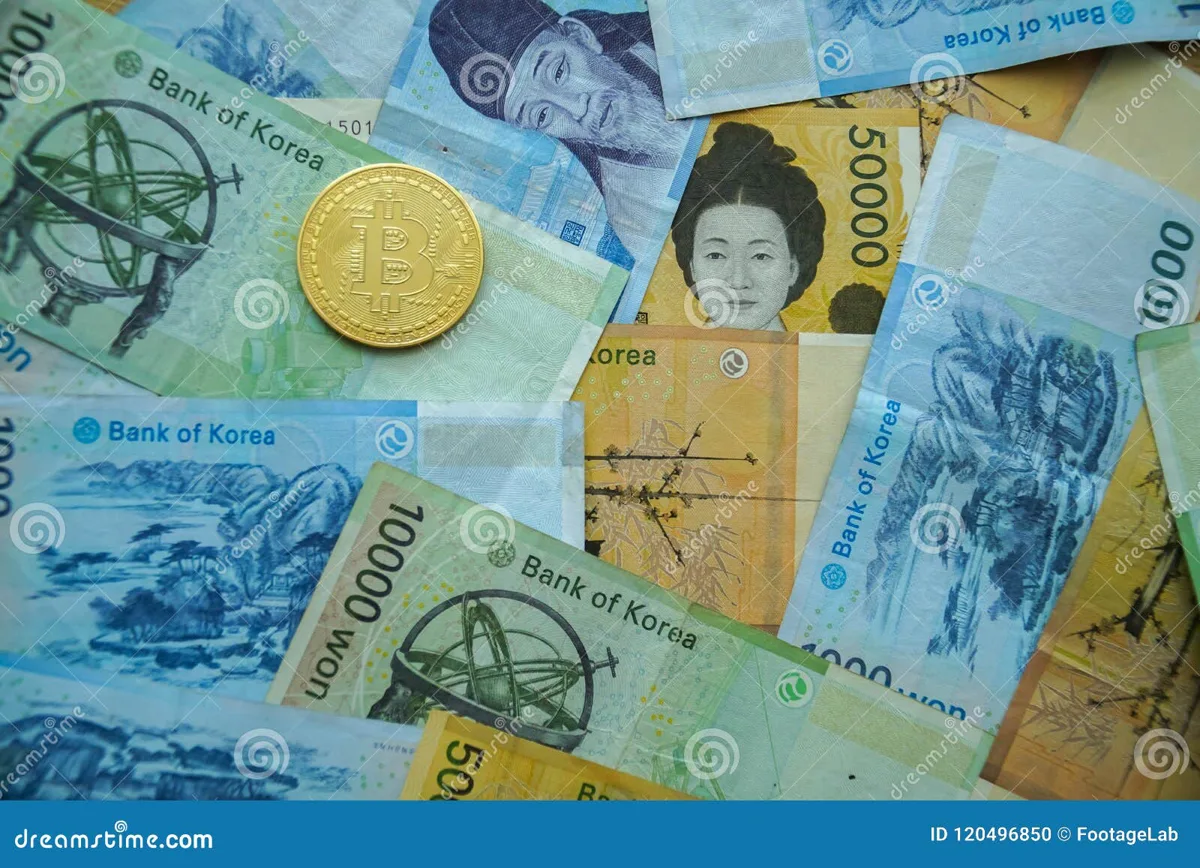
The South Korean government has confirmed its resolute intention to implement a cryptocurrency gains tax, effective January 1, 2027. This decision mandates a tax rate of up to 22% on annual virtual asset profits exceeding 2.5 million Korean won (approximately $1,740). Deputy Prime Minister and Finance Minister Koo Yun-cheol reiterated this stance during a National Assembly Finance and Economy Committee meeting, affirming that taxation will commence as scheduled next year, indicating that a fourth postponement of the long-delayed measure is not anticipated.
The tax regulation was initially slated for implementation in January 2022 but was subsequently delayed to 2025 due to insufficient market infrastructure and industry concerns. A further amendment in December 2024 pushed the effective date to early 2027. Under the new framework, income derived from the transfer or lending of virtual assets will be classified as "other income" rather than capital gains. Investors will face a combined 22% tax rate, comprising a 20% national income tax and a 2% local income tax, on gains exceeding the annual basic deduction of 2.5 million won.
This development is poised to directly impact an estimated 13 million crypto investors in South Korea, sparking considerable debate within the market. Opposition lawmakers, such as Kim Sang-hoon from the People Power Party, have criticized the absence of loss carryforward deductions, warning that this could diminish domestic trading volumes and encourage investors to move their activities to overseas exchanges. Furthermore, a legislative proposal aimed at entirely repealing the tax remains before the National Assembly, suggesting that the law's ultimate enactment is not yet fully guaranteed.
Despite these criticisms, the government maintains that classifying virtual asset income as "other income" can, in some respects, be more favorable to taxpayers than comprehensive taxation. The Ministry of Economy and Finance, along with the National Tax Service (NTS), is actively collaborating with the country's five major crypto exchanges—Upbit, Bithumb, Coinone, Korbit, and Gopax—to finalize the implementation guidelines for the new tax system. This collaboration is crucial for ensuring a smooth rollout and enabling investors to maintain the necessary transaction records.
In a broader economic and political context, South Korea's Financial Services Commission (FSC) is working on a consolidated Digital Asset Basic Act. This comprehensive legislation aims to regulate stablecoins, exchanges, and other facets of the digital asset market, forming part of the nation's broader effort to establish a robust regulatory framework for digital assets. The decision to tax crypto gains can be viewed as a reflection of increasing global regulatory scrutiny over cryptocurrencies and governments' pursuit of revenue from this burgeoning sector. Analysts suggest that while such regulations might induce short-term market volatility, they could ultimately bring greater legitimacy and stability to crypto markets in the long run.
Moving forward, the release of final guidance documents regarding taxation specifics and the progression of political deliberations in the National Assembly will be closely monitored. Particularly, the potential future review of issues like loss carryforwards will be influential in investors' decision-making processes. South Korea's move could set a precedent for other Asian nations and mark a significant turning point in the global regulatory evolution of crypto markets. Investors will need to prepare to comply with these new tax obligations effective from 2027.
Related Symbols
₿ Want to ride this crypto move?
Open an account in minutes. Compare brokers offering crypto and start investing today — zero commission options available.
Comments (0)
No comments yet. Be the first to comment!