

Software-Defined Vehicle Longevity Raises Industry Questions
While software-defined vehicles offer significant advantages over traditional models, the industry faces growing concerns about their long-term longevity. Analysts highlight depreciation risks stemming from potential hardware incompatibilities and the uncertain future of software support.
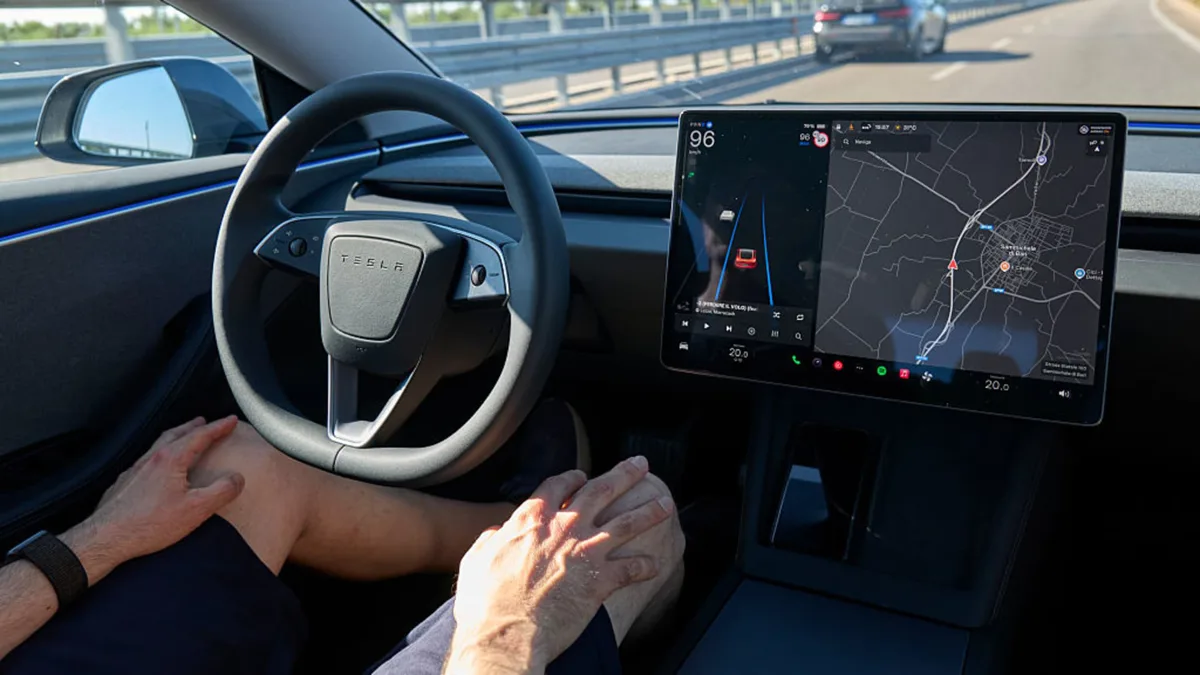
The automotive industry is undergoing a significant transformation towards software-defined vehicles (SDVs), and the longevity and financial implications of these new-generation vehicles are sparking curiosity in the markets. Unlike traditional cars, software-defined vehicles operate with continuously updated software, presenting both substantial opportunities for manufacturers and consumers, while simultaneously creating uncertainties regarding lifetime support, hardware compatibility, and resale value. This paradigm shift is fundamentally altering risk assessment and asset valuation processes for insurers, financial markets, and car manufacturers.
At the heart of this transformation is the evolution of vehicles into digital platforms capable of gaining new features through continuous updates. According to S&P Global Mobility data, the vast majority of new vehicles are expected to be software-defined by 2029, with software and electronic components projected to account for approximately 50% of the total vehicle value by 2030. Original equipment manufacturers (OEMs) are leveraging shared software architectures across models to deliver security and feature enhancements via over-the-air (OTA) updates. Pioneering companies like Tesla (TSLA) are reducing costs and enhancing customer satisfaction with a wide range of software updates, from performance tweaks to the addition of new functionalities. However, this process also entails substantial upfront R&D investments and escalating costs for software development, maintenance, and bug fixes.
The proliferation of software-defined vehicles is having various impacts on the markets. On one hand, features like autonomous driving and advanced driver-assistance systems (ADAS) may reduce accident frequency, but on the other, they can increase the severity and complexity of incidents, driving up repair costs. Experts note that instances where hardware struggles to cope with newer software are already emerging. For example, Rivian (RIVN) is facing lawsuits related to similar issues, and Tesla's past promises regarding full self-driving hardware have proven insufficient for current software. This situation could lead to a bifurcation in the used-car market between models with ongoing software support and those without, impacting their resale values.
In a broader economic context, software-defined vehicles have the potential to create new revenue streams and business models for the automotive industry. Areas such as subscription-based services, personalized in-vehicle features, and data analytics can enable manufacturers to expand their profit pools beyond initial vehicle sales. Morgan Stanley analysts suggest that SDVs could account for 90% of total auto production by 2029, potentially driving an additional $15 billion in semiconductor spending over the next five to six years. This could also have positive implications for companies producing AI chips, such as Nvidia (NVDA) and Broadcom (AVGO).
However, alongside these opportunities, significant investment risks exist. The high initial costs and long payback periods for transitioning to software-defined vehicles, especially coupled with a slowdown in electric vehicle sales, are putting pressure on manufacturers. Consumers also harbor security concerns related to software updates. Analysts emphasize that the automotive sector has yet to fully manage a software-defined vehicle lifecycle at a global scale and will face challenges such as aging digital systems requiring specialized attention. Moving forward, ensuring operational alignment between hardware and software, and balancing consumer expectations for “future-ready” mobility with technical realities, will be key agenda items for the industry.
Related Symbols
💸 Ready to act on this news?
You need a brokerage account to invest. Compare 30+ trusted brokers in seconds — zero commission options available.
Comments (0)
No comments yet. Be the first to comment!