

Russia's Grip on Bulgaria to Test Radev's Anti-Corruption Drive
Strong ties to Russia pose the biggest risk to Prime Minister‑elect Rumen Radev’s anti‑corruption agenda, prompting EU and investor scrutiny over policy direction.
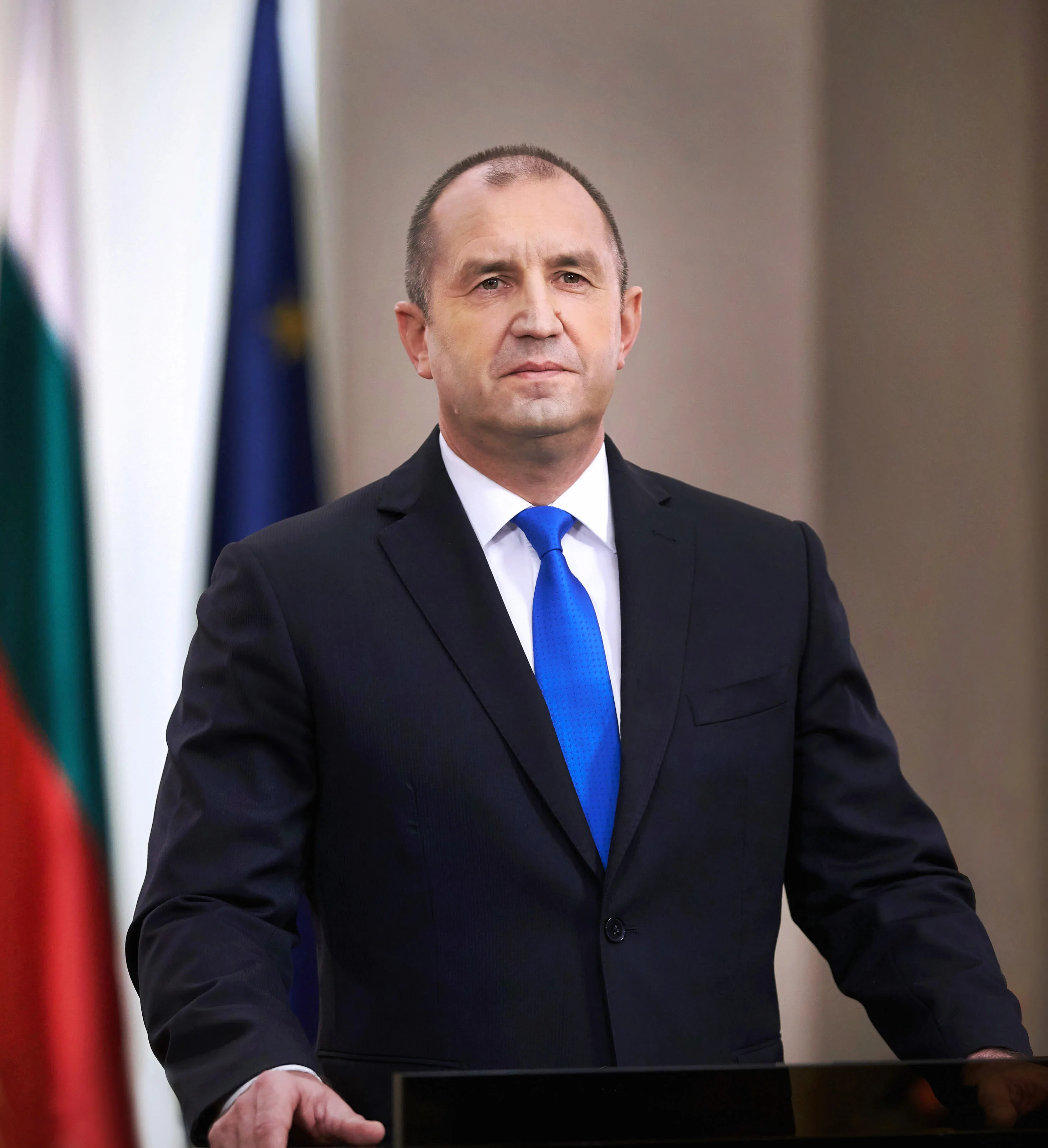
Rumen Radev’s decisive election result promises a break from years of fragile coalitions in Bulgaria, but the country’s entrenched ties to Russia represent the chief test for his pledged anti‑corruption agenda. Radev campaigned on dismantling oligarchic networks and strengthening transparency, yet his cautious, sometimes conciliatory tone on Russia has raised questions about how decisively he will pursue reforms that could unsettle pro‑Russian interests.
Preliminary and near‑complete counts indicate Radev’s Progressive Bulgaria grouping won roughly 44–45% of the vote, enough to secure a parliamentary majority and a mandate to govern alone. That numerical advantage gives him leverage to push reforms through the legislature, but also places responsibility squarely on his shoulders to deliver on anti‑graft promises while managing geopolitical sensitivities around Moscow. Observers note the tension between swift institutional reform and the potential domestic pushback from entrenched networks.
The political outcome has immediate economic implications: EU institutions, international investors and credit monitors will be watching for signs of judicial independence, procurement transparency and commitments to EU norms. Any perceived backtracking on rule‑of‑law measures could weigh on investor sentiment and capital inflows, while credible reforms would support confidence and fiscal stability. Given Bulgaria’s strategic location and energy exposures, foreign policy choices may carry direct economic consequences.
In a broader context, Russia’s influence in Bulgaria operates through media ecosystems, political networks and historical ties that complicate a rapid reorientation of policy. European officials have repeatedly flagged governance and anti‑corruption weaknesses in Sofia; the new government’s ability to demonstrate tangible progress will shape both bilateral relations with EU partners and Bulgaria’s attractiveness to foreign investors. Analysts emphasize that changes in rhetoric do not automatically translate into institutional reform.
Market analysts and policy experts suggest a cautious near‑term outlook: if Radev implements credible, measurable reforms on transparency and judiciary independence, capital markets may react positively and investor risk premia could narrow. Conversely, any signals of leniency toward patronage networks or loosening of anti‑corruption efforts could trigger renewed caution among international investors and complicate relations with Brussels. The coming months will be decisive in determining whether Radev’s mandate results in substantive governance gains or whether geopolitical entanglements constrain reform ambitions.
💸 Ready to act on this news?
You need a brokerage account to invest. Compare 30+ trusted brokers in seconds — zero commission options available.
Comments (0)
No comments yet. Be the first to comment!