

Raw milk demand rises: 'Brewed' milk consumer trend widens in UK
Raw milk and 'brewed' milk demand is rising in the UK; companies offer low‑temperature alternatives like Mossgiel, sales climb, notably amid safety warnings.
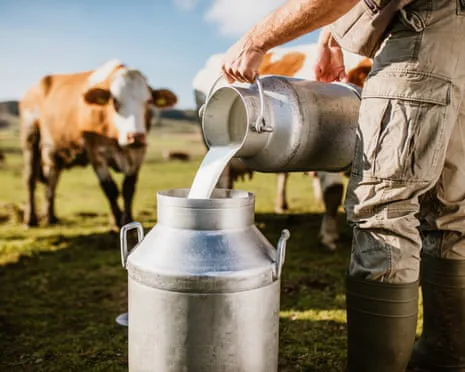
Demand for raw milk and low‑temperature processed “brewed” milk has increased in the UK, as consumers seek less‑processed dairy options and some producers and delivery firms respond with new products. The shift is particularly visible among younger buyers who prioritize provenance and flavor.
The trend has translated into concrete commercial moves: doorstep delivery operator Modern Milkman has added Mossgiel Organic Dairy’s brewed milk to its range, marketing a gently treated, non‑homogenised product priced at around £2.80 per litre. Producers describe the method as a lower‑temperature, longer‑time treatment (reported at approximately 68°C for five minutes) designed to preserve cream and taste while meeting safety requirements. Some farms report double‑digit growth in direct sales—Fen Farm Dairy cited a 32% year‑on‑year rise in raw milk sales.
From a market perspective, the development is creating a two‑tier dairy market: commodity pasteurised milk versus a premium, minimally processed niche. Smaller organic dairies and local producers can capture higher margins through reusable glass bottling and direct delivery, while large processors retain cost and distribution advantages. Retail pricing at the premium end may rise, and foodservice demand (notably coffee outlets) could shift toward these richer milk variants.
Regulatory context and food‑safety concerns remain central. UK authorities, including advisory bodies and the Food Standards Agency, caution that raw milk can carry harmful bacteria and is subject to strict restrictions; raw milk sales are tightly controlled and are prohibited in Scotland. Firms positioning 'brewed' milk stress compliance with safety rules even as they emphasize flavor and lower‑temperature processing.
Market observers expect continued niche growth but warn of scaling risks: regulatory scrutiny, testing and hygiene costs, and potential recall exposure could limit rapid expansion. For investors and sector participants, watching margin development at small dairies, retail price premiums, and any shifts in regulation will be key to assessing whether the trend remains a boutique consumer preference or evolves into broader supply‑chain reconfiguration.
💸 Ready to act on this news?
You need a brokerage account to invest. Compare 30+ trusted brokers in seconds — zero commission options available.
Comments (0)
No comments yet. Be the first to comment!