

Price caps debate: Britain’s fragile food system under strain
Reports that the Treasury urged supermarkets to limit staple price rises sparked backlash; supply shocks and a strong El Niño risk could push food prices higher.
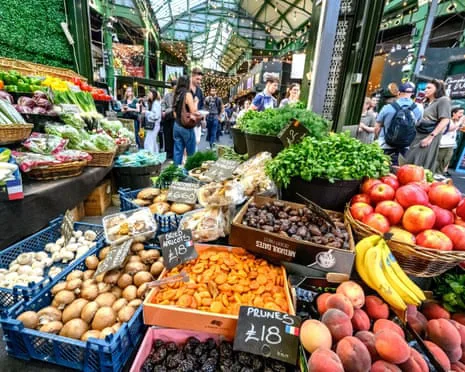
Reports this week that the UK Treasury quietly pressed large supermarket groups to cap price increases on essential items have provoked strong public and industry reactions, as ministers seek quick relief for households facing high living costs.
The conversations, first reported in mid‑May 2026, reportedly involved offers to relax certain regulatory burdens in return for voluntary price freezes on staples such as milk, bread and eggs; supermarket trade bodies and individual retailers responded with warnings that such measures could distort competition and be counterproductive. Bank of England officials added cautionary notes that price controls are unlikely to be sustainable for the economy.
Underlying the debate are significant pre‑existing pressures on food costs: UK research briefings and industry forecasts show food prices have jumped some 37–40% since 2020, leaving households exposed. Compounding that, the Iran‑related disruption to shipping through the Strait of Hormuz has interrupted fertilizer flows — a key input for global harvests — while NOAA and other climate agencies signal a high probability of a strong El Niño in 2026, both factors that can elevate agricultural costs and reduce yields.
Markets and analysts say a voluntary, narrowly targeted cap could calm headlines but would not address the supply‑side drivers of price rises. Instead, many expect the debate to shift toward measures that improve supply resilience — from logistics and port clearances to targeted subsidies for vulnerable households and growers — rather than blunt retail price controls which risk being offset across the shopping basket or squeezing supplier margins.
In the broader context, the episode highlights how climate variability and geopolitical conflict can rapidly reveal structural weaknesses in food systems that were long assumed reliable. For policymakers the trade‑offs are acute: interventions that support consumers now must be balanced against longer‑term incentives for farmers and the health of competitive markets. Key near‑term indicators to watch include fertiliser shipment flows, official updates on El Niño development and any formal government proposals or agreements with retailers.
Looking ahead, analysts expect intense scrutiny of any governmental move toward price caps; the most probable outcome, according to commentary from retail and macroeconomic specialists, is a package of mixed measures — voluntary retailer commitments, targeted household support and supply‑side interventions — rather than a permanent statutory price control. The reaction of major listed retailers and the evolution of global agricultural inputs will determine whether food inflation eases or intensifies into late 2026.

Related Symbols
💸 Ready to act on this news?
You need a brokerage account to invest. Compare 30+ trusted brokers in seconds — zero commission options available.
Comments (0)
No comments yet. Be the first to comment!