

Potholes: Britain faces £18.6bn bill to fix broken local roads
Local road repair backlog hits £18.62bn; councils filled 1.9m potholes last year — around 5,200 a day, roughly one every 17 seconds.
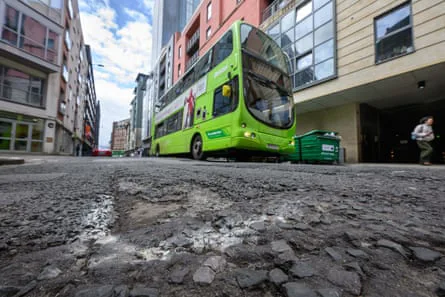
The condition of local roads in England and Wales has reached a critical funding and maintenance crossroads. The Asphalt Industry Alliance’s ALARM 2026 survey estimates a one-off catch-up cost of £18.62 billion to bring the network up to ‘ideal’ condition, while local authorities reported filling 1.9 million potholes in the past year — roughly 5,200 a day, or one every 17 seconds.
Field reporting from city streets, including detailed accounts from Bristol, highlights that many defects are more than superficial patches; multiple road construction layers are exposed in places, signaling underlying structural failure that requires resurfacing rather than reactive repairs. The UK government has allocated nearly £1.6 billion for local highways maintenance in 2025/26 and pledged £7.3 billion over the next four years, but industry bodies warn this funding, while welcome, will not immediately eliminate the backlog.
From a public finance perspective, the scale of routine pothole filling — estimated direct cost of about £149.3 million last year — sits alongside a larger capital requirement for resurfacing and preventative programs. The total highway maintenance budget rose to £5.14 billion in 2025/26, up 17% year-on-year, yet ALARM’s analysis shows resurfacing cycles have stretched dramatically, averaging one resurfacing every 97 years in the current data.
Broader economic drivers include more extreme weather patterns and heavier vehicle fleets that accelerate pavement deterioration. The combination increases cyclical pressure on local authority budgets and shifts the conversation toward the return on investment from proactive maintenance, asset management reforms and potential front-loading of central government funds to achieve quicker improvements.
Analysts and sector representatives argue the market should expect a protracted transition: funding increases may stabilise decline but will take years to deliver visible surface-level improvements. For investors and municipal finance officers, opportunities and risks will cluster around contractors, asphalt suppliers and financing vehicles for long-term infrastructure programmes; close monitoring of budget allocations and project pipelines will be essential.
💸 Ready to act on this news?
You need a brokerage account to invest. Compare 30+ trusted brokers in seconds — zero commission options available.
Comments (0)
No comments yet. Be the first to comment!